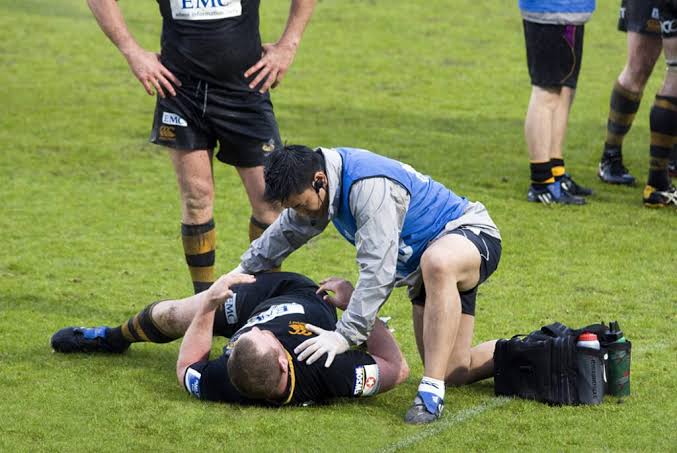
Returning to sport after an injury isn’t simply a matter of waiting for the pain to disappear. Safe progress depends on restoring movement, strength, control, confidence, and tolerance for training demands. In Balgowlah, sports physiotherapy can guide this process by identifying what still limits performance and building a gradual path back to activity. Whether the injury involves a muscle strain, joint sprain, tendon problem, or post-surgical recovery, structured rehabilitation reduces the risk of doing too much too soon. A well-planned return also helps athletes rebuild trust in the injured area so they can resume full training with confidence at every stage.
- A Safer Path Back to Training
A safe return begins with understanding how the injury affects movement, load tolerance, and confidence. Physiotherapy assesses these factors and uses them to shape a realistic progression rather than relying only on time since injury. For people returning to training after an injury, Fixio Physio in Balgowlah offers physiotherapy and rehabilitation support tailored to individual recovery goals. Sessions may focus on restoring range, rebuilding strength, retraining balance, and improving movement quality before higher demands are added. This approach gives the athlete clear milestones and reduces guesswork when deciding whether io increase running, lifting, jumping, or sport-specific practice.
- Assessing Readiness Beyond Pain Levels
The first stage of return-to-training planning usually starts with a close look at what the injured area can currently tolerate. Pain level matters, but it is only one part of the picture. A person may feel comfortable during daily tasks yet still lack the strength, endurance, or control needed for training. Sports physiotherapy can compare the injured side with the uninjured side, observe movement patterns, and identify compensations that may have developed during recovery. For example, after an ankle sprain, an athlete may unconsciously shift weight away from the injured side during squats or landings. After a hamstring strain, running technique may change as the person protects the area. These changes can increase stress elsewhere if training resumes too quickly. By testing mobility, muscle capacity, balance, and functional movement, the physiotherapist can set starting points that match current ability instead of assuming the athlete is ready because a certain number of weeks has passed. Baseline findings also make later progress easier to measure, so training volume decisions are based on observable improvement rather than impatience, fear, or a calendar date.
- Building Training Load in Controlled Stages
Rehabilitation then becomes a process of gradually exposing the body to more demanding tasks while monitoring how it responds. Early exercises may involve controlled strength work, simple balance drills, and low-impact conditioning. As tolerance improves, the program can progress toward faster movement, heavier resistance, changes of direction, jumping, or running depending on the sport. The key is not just completing an exercise once, but showing that the body can repeat it with good control and without a significant increase in symptoms afterward. Sports physiotherapy also helps manage training load by adjusting frequency, intensity, and recovery time. This is important because many setbacks happen when athletes feel better and suddenly return to their old routine at full volume. A graded plan allows tissues to adapt to increasing stress. It also gives athletes practical feedback about what they can add next, helping them move forward with more confidence and fewer unnecessary interruptions. Monitoring soreness, swelling, stiffness, or reduced movement the next day can reveal whether a training increase was appropriate. When symptoms remain settled, the next progression can be introduced with certainty and better control.
- Reintroducing Sport Demands Before Full Return
A safe return should also include practice that closely reflects the real demands of the athlete’s sport or preferred activity. General strength is useful, but it does not fully prepare a runner for repeated impact, a football player for cutting and acceleration, or a gym participant for heavy compound lifts. Sports physiotherapy can bridge the gap between rehabilitation exercises and normal training by introducing performance-like movements. These tasks may include controlled sprinting, deceleration, repeated hops, loaded carries, rotational work, or fatigue-based drills where technique is observed under pressure. The purpose is to see whether the recovering area can handle speed, force, repetition, and unpredictability. Confidence is another important part of this stage. Some athletes remain hesitant even after physical measures improve, particularly after an injury that happened during a fast or sudden movement. Rehearsing those demands in a measured setting helps rebuild trust and makes the final transition back to regular training feel more controlled. Return decisions can then consider both physical readiness and the athlete’s ability to perform tasks without guarding, hesitation, or deteriorating technique as fatigue builds during a session.
Returning With Greater Confidence and Control
Returning safely after injury requires more than being pain-free. It means proving that the body can handle the specific loads, speeds, and repeated movements involved in training. Sports physiotherapy in Balgowlah can support this process through assessment, progressive exercise, load management, and sport-related testing. By moving through clear stages rather than rushing back, athletes can identify remaining weaknesses before they become setbacks. The goal is not to delay training unnecessarily, but to make each step purposeful. A gradual, measured return gives the injured area time to adapt while helping the athlete safely regain confidence, consistency, and long-term training capacity.