If you’re thinking about changing your nose, you’re probably not focused only on appearance. Breathing issues, old sports injuries, and long-term self-consciousness often show up together. If you live around Plano, you’re also in an area where cosmetic and functional facial surgery is widely available, which makes the decision feel more immediate. Before you book a consultation, it helps to understand what rhinoplasty really involves, what surgeons evaluate, and what recovery is actually like.
Rhinoplasty isn’t one decision, it’s a series of choices
A lot of people talk about rhinoplasty like it’s a single procedure with a simple before-and-after result. It’s more layered than that. You’re deciding whether the goal is cosmetic, functional, or both. You’re also deciding how much change feels right for your face rather than chasing a trend that might look dated in five years.
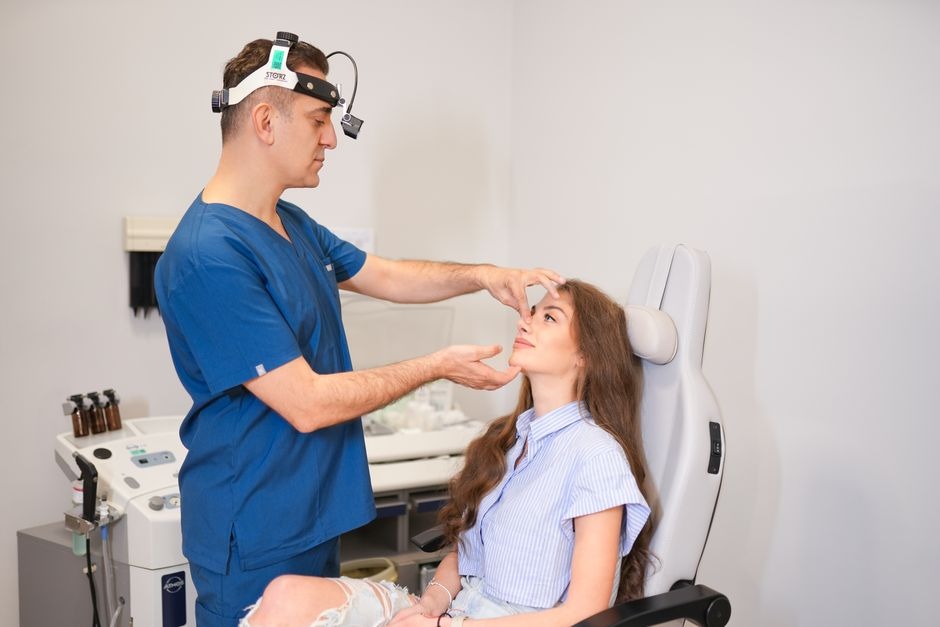
Surgeons usually assess nasal structure, skin thickness, symmetry, airflow, and facial proportions before discussing surgical planning. That matters because two people can ask for a straighter bridge and need completely different techniques.
If you’re considering a procedure like rhinoplasty Plano has several local experts who offer personalized consultations and surgical treatment options to help you improve facial balance while addressing your individual aesthetic goals and concerns.
A nose that photographs well but creates breathing problems is not a good result by any serious standard.
Your reasons matter more than people usually admit
You don’t need a dramatic story to justify wanting surgery, but your motivation still matters. If you’ve hated your profile since middle school, that’s different from wanting surgery because one bad photo ruined your week. Good surgeons pay attention to that distinction because expectations drive satisfaction more than people realize.
It’s also worth separating outside pressure from your own long-term feelings. Social media filters, front-facing cameras, and beauty trends can distort what you think you see. Features that seem overwhelming in selfies often look balanced in real life.
A useful question to ask yourself is simple: if nobody ever commented on your nose again, would you still want the change? If the answer is yes, your thinking may already be grounded in something more stable and personal.
Timing can affect your result more than you think
At 17 or 18, you may feel fully ready, but timing still deserves real attention. Nasal growth should be mostly complete before surgery, and emotional readiness matters just as much as physical maturity. Recovery takes patience, and final results develop slowly. If you expect instant perfection, the process can feel frustrating.
Lifestyle timing matters too. If you play contact sports, perform on stage, or have a packed school schedule, the recovery window needs planning. Swelling, bruising, sleep disruption, and activity restrictions can interfere with routines more than people expect.
Many surgeons recommend avoiding major social events right after surgery, not because recovery is dangerous, but because your face won’t look settled yet. The early phase is temporary, though it can be mentally annoying if you weren’t prepared for it.
Cosmetic goals and breathing problems often overlap
One of the biggest misconceptions around rhinoplasty is that it’s always about aesthetics. In reality, many patients also have a deviated septum, collapsed nasal valves, turbinate hypertrophy, or trauma-related obstruction. You might want a smoother profile and better airflow at the same time, which is common and clinically realistic.
That overlap is where consultation quality becomes important. A surgeon should ask how you breathe during sleep, exercise, and allergy season. If you’ve always assumed mouth breathing is normal, a detailed nasal exam can reveal issues you didn’t know had names.
Functional concerns can change the surgical plan completely. Structural support, septoplasty, and cartilage grafting may be part of the approach even if your original focus was mostly visual. Good planning protects both form and function instead of trading one for the other.
Choosing a surgeon takes more than scrolling before-and-after photos
Photos can be helpful, but they don’t tell you how the surgeon communicates, how they assess anatomy, or whether they’re honest about limitations. Rhinoplasty is one of the more technically demanding facial procedures because small changes can alter balance, projection, and airflow. You want precision, not salesmanship.
Pay attention during the consultation. Does the surgeon explain terms clearly? Do they discuss what may not be possible with your anatomy? Are they listening when you describe your concerns, or steering you toward a standard look? Those details matter.
Board certification, facial surgery experience, and a consistent aesthetic philosophy are all relevant. So is revision experience. Even if you’re seeking a primary rhinoplasty, a surgeon who understands how noses go wrong often plans more carefully from the start.
Recovery is usually less dramatic than people fear, but slower than people expect
Most people picture rhinoplasty recovery as painful and intense. In many cases, it’s more uncomfortable than painful. Congestion, swelling, tenderness, dry mouth from mouth breathing, and general fatigue are common in the first week. The cast may come off fairly quickly, but that doesn’t mean healing is finished.
The bigger surprise is the timeline. A lot of visible swelling improves early, yet subtle swelling can stick around for months, especially at the tip. If you keep checking your face every morning and expecting a final answer, you’ll drive yourself crazy.
Recovery also involves behavior changes. You may need to sleep elevated, pause workouts, avoid glasses pressure, and stay patient with temporary asymmetry. Practical support helps more than dramatic preparation. Ice packs, bland meals, lip balm, and realistic expectations go a long way.
You should think about the emotional side before surgery, not after
People often prepare for surgery logistics and ignore the emotional side completely. That’s a mistake. Even when the procedure goes well, seeing your face look swollen, unfamiliar, or uneven during healing can mess with your confidence for a while. That reaction is common and doesn’t mean you made a bad decision.
The strongest candidates usually have specific goals, stable expectations, and a clear understanding that refinement takes time. They’re not expecting surgery to transform their social life, fix insecurity in every area, or make them instantly photogenic from every angle.
It also helps to think about privacy. Some people tell everyone they know. Others keep it quiet and only share with close family. Neither approach is wrong. What matters is protecting your peace during a recovery period that can feel more personal than expected.