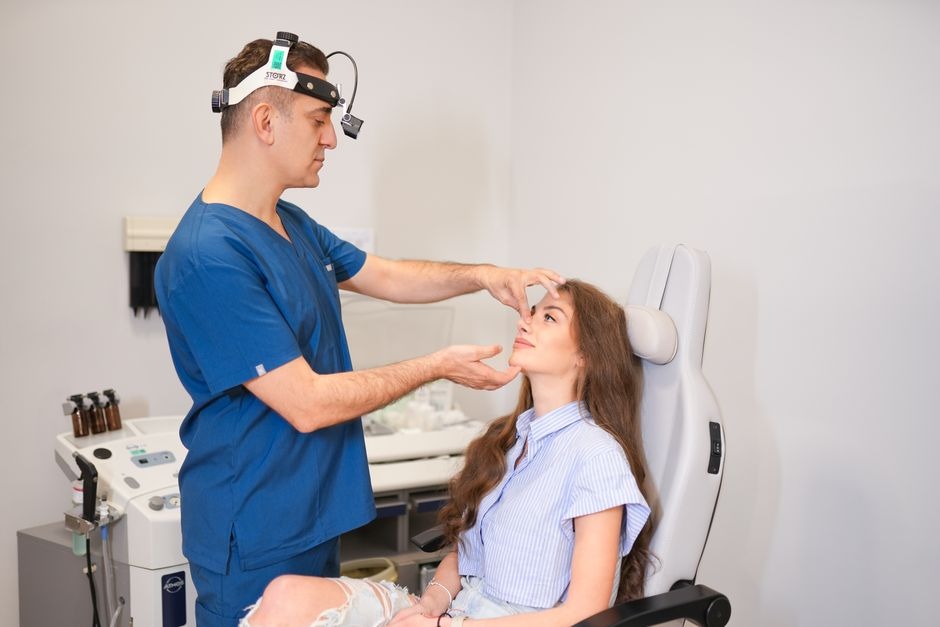
If you’re thinking about booking a med spa appointment, the options can feel exciting and slightly confusing at the same time. Wellington has become a notable spot for aesthetics and skin treatments, partly because South Florida’s sun exposure creates real demand for corrective and preventive care. Before you commit to anything, it helps to understand what med spas actually do, how treatment planning works, and what details separate a smart decision from an expensive mistake.
What a med spa actually offers beyond a basic facial
A med spa sits in the space between a traditional day spa and a medical office. You’re not just going in for relaxation. You’re usually looking at treatments tied to skin quality, aging concerns, acne, pigmentation, or body-focused aesthetic goals.
That means services often include injectables, laser treatments, chemical peels, microneedling, skin tightening, and medical-grade skincare plans. A proper consultation should cover your health history, current skincare routine, treatment goals, and any contraindications.
If you’re considering a med spa in Wellington, it makes sense to look for a provider that treats aesthetic medicine as a clinical service, not just a beauty add-on. That difference shows up in treatment planning, sanitation standards, and the way risks and expected outcomes are explained.
Why Wellington clients often need a different skin strategy
Wellington’s climate matters more than most people expect. Heat, humidity, and year-round UV exposure can affect everything from post-treatment healing to the kind of pigmentation issues you’re dealing with. If you spend time outdoors for sports, errands, or commuting, your skin is taking in more environmental stress than a standard skincare routine may be able to manage.
That’s especially relevant for treatments targeting sun damage, melasma, redness, fine lines, and uneven texture. It also affects timing. Some procedures require extra caution if you’re in the sun often or using active ingredients like retinoids and acids.
A provider working with local clients regularly should understand how to build protocols around South Florida conditions. You want treatment recommendations that account for your actual lifestyle, not a generic before-and-after promise pulled from a national ad campaign.
How to tell whether a consultation is thorough or just a sales pitch
A strong consultation feels specific. Someone should ask what bothers you, how long the issue has been going on, what products you use now, whether you’ve had prior treatments, and whether you bruise, scar, or react easily. Photos may be taken for charting and progress tracking.
You should also hear realistic timelines. For example, neuromodulators don’t work instantly, collagen remodeling takes time, and pigment concerns often need multiple sessions. If someone acts like one treatment will fix everything, that’s a warning sign.
Good consultations also include limits. You may be told that a service isn’t ideal for your skin tone, current tan, medical history, or upcoming travel plans. That kind of pushback is useful. It usually means the provider is thinking clinically instead of trying to close a quick sale.
The treatments people ask for most and what they’re really for
Botox-style injections are usually about dynamic wrinkles, especially on the forehead, between the brows, and around the eyes. Fillers are different. They’re used for volume loss, contouring, and structural support in areas like the lips, cheeks, or jawline.
Then you have resurfacing and skin-renewal treatments. Microneedling supports collagen induction. Chemical peels target texture, acne, and discoloration at different depths. Laser and light-based treatments can address vascular lesions, pigmentation, and overall tone depending on the device and your skin profile.
A lot of clients come in asking for one trendy treatment when the real issue needs a broader protocol. Someone worried about “looking tired” may need a combination approach involving skincare, injectables, and texture correction instead of a single syringe or one facial session.
Why credentials and supervision matter more than the treatment menu
A long treatment list doesn’t automatically mean high quality. What matters more is who performs the procedure, who oversees care, and how emergencies or adverse reactions are handled. That’s where many first-time clients don’t look closely enough.
You should know whether your treatment is being done by a physician, nurse practitioner, physician assistant, registered nurse, or licensed aesthetician, and whether the treatment falls within that person’s scope. Different services carry different levels of medical complexity.
Ask who is responsible for your care plan. Ask how complications are managed. Ask what happens if you have swelling that lasts too long, unexpected bruising, or a reaction after hours. A legitimate operation won’t dodge those questions. Professional confidence tends to sound clear, not defensive or vague.
Pricing gets attention, but value comes from planning and follow-up
A low advertised price can be misleading. In aesthetics, cheap treatment often means rushed technique, diluted value, outdated devices, poor customization, or unrealistic quantity estimates. You’re better off understanding the full plan than reacting to a promotional number.
For injectables, that may mean discussing units versus syringes and why your facial anatomy affects the total. For skin treatments, it may mean hearing that one session won’t do much without a package or maintenance plan. Medical-grade skincare adds another cost layer, but it can also improve and prolong results.
Follow-up matters too. You may need reassessment at two weeks, changes to home care, or spacing guidance for future sessions. The best value usually comes from providers who think in phases: correction, stabilization, then maintenance.
What you should do before and after your appointment
Preparation is not just a minor detail. It can affect your results and your recovery. Depending on the treatment, you may be told to avoid sun exposure, self-tanner, waxing, exfoliants, retinoids, blood-thinning supplements, or certain medications if medically appropriate and cleared.
Aftercare can include strict SPF use, gentle cleansing, temporary product restrictions, hydration, and avoiding heat, workouts, or swimming for a short period. If you ignore those instructions, you increase the chance of irritation, swelling, hyperpigmentation, or underwhelming results.
You should also plan around your schedule. Don’t book a new injectable treatment right before senior photos, a wedding, a competition, or a beach trip. Even low-downtime services can leave temporary marks, dryness, flaking, or swelling that lasts longer than social media clips suggest.
How to choose a med spa that fits your goals without regretting it later
Start by being honest about your goal. Do you want prevention, correction, maintenance, or a noticeable change? That answer shapes everything else. A provider can build a better plan when you’re clear about whether you care most about acne scars, jawline contour, dullness, fine lines, or skin health overall.
Then look for consistency. Read reviews with substance, not just star ratings. Check whether before-and-after photos look medically credible and whether results seem tailored instead of overdone. Pay attention to how the practice talks about safety, consultation, and long-term skin management.
The best med spa choice usually feels less flashy and more precise. You want a place where treatment decisions are informed, expectations are realistic, and your face is not treated like a trend experiment. When that standard is met, aesthetics becomes far more practical and far less risky.