Security fencing is one of those infrastructure decisions that looks straightforward on the surface but carries significant downstream consequences when the wrong product is specified. Whether you are managing a commercial property, overseeing a construction site, securing a utilities facility, or protecting a public institution, the fencing system you install will affect daily operations for years. A fence that fails prematurely, corrodes in a humid climate, or bends under moderate pressure does not just create a safety liability — it creates recurring costs and workflow disruptions that no procurement team wants to explain to management.
At the center of most security fencing decisions is the choice of panel: what it is made from, how it is constructed, and whether it is matched appropriately to the environment and threat level it needs to address. This guide works through the key considerations US buyers should evaluate before committing to a product or supplier, covering material selection, construction differences, environmental compatibility, and the questions worth asking before any purchase order is signed.
Understanding What Mesh Panels Actually Do in a Security Context
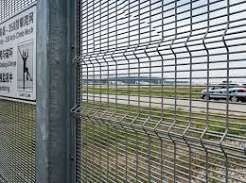
Mesh panels are not simply physical barriers. They are engineered systems designed to balance visibility, airflow, structural resistance, and access control within a defined perimeter. Unlike solid panel fencing, welded or woven mesh allows line-of-sight monitoring without blind spots, which is a meaningful operational advantage in facilities where security personnel or cameras need unobstructed views across a boundary. This transparency also reduces wind load on the fence structure itself, which matters in open or coastal environments where full-panel systems can buckle or pull anchor posts from the ground over time.
For buyers researching their options in depth, a well-structured Mesh Panels guide can clarify the differences between panel types, wire gauges, and coating systems before those choices are narrowed down with a supplier. Having that reference early in the process prevents the common mistake of selecting a product based on price alone, without accounting for the environment it will operate in or the load conditions it will face.
Welded vs. Woven Construction and Why It Matters Operationally
The two primary construction methods for security mesh are welded wire and woven wire, and the distinction between them is not cosmetic. Welded panels are manufactured by fusing wire intersections through an electrical resistance process, which produces a rigid, dimensionally stable product that resists flex and deformation under lateral force. This rigidity is what makes welded mesh suitable for high-security perimeters where climbing or cutting attempts are a realistic concern — the panel does not give, which limits the mechanical advantage an intruder can use against it.
Woven wire, by contrast, is produced by interlacing strands in a continuous pattern, which creates a more flexible structure. This flexibility makes it appropriate for agricultural boundaries, temporary enclosures, or applications where ground contour variation requires the fence to follow terrain without leaving gaps at the base. Using woven mesh where welded mesh is specified — or vice versa — is a common specification error that leads to early failure, warranty disputes, and replacement costs that exceed the original savings.
Material Selection and Its Long-Term Cost Implications
The base metal and surface treatment of a mesh panel determine how it performs over its expected service life, which in commercial and industrial applications is typically measured in decades, not years. Most security mesh panels used in the US market are manufactured from low-carbon steel wire, which provides the tensile strength necessary for security applications at a cost that makes large-scale projects viable. The question is not whether steel is the right material — in most cases it is — but how that steel is protected against corrosion.
Galvanization Standards and What They Mean for Climate Compatibility
Galvanization is the process of applying a zinc coating to steel wire or finished panels to protect against oxidation. The US market recognizes two primary methods: hot-dip galvanization, where the steel is submerged in molten zinc, and electro-galvanization, where zinc is deposited through an electrochemical process. Hot-dip galvanization produces a thicker, more durable coating and is the standard specification for outdoor security applications in most climates. Electro-galvanized products have a thinner coating and are more appropriate for interior or dry storage environments.
For facilities located in coastal regions, areas with high humidity, or sites where chemical exposure is likely — such as wastewater treatment plants or agricultural operations — additional protective coatings beyond galvanization are often warranted. Powder-coated finishes applied over galvanized mesh extend service life and allow color specification for facilities where aesthetic or code requirements apply. The American Galvanizers Association provides published guidance on coating thickness and performance expectations that can serve as a neutral reference when evaluating supplier specifications.
Stainless Steel and Specialty Alloys for Demanding Environments
In environments where standard galvanized steel consistently underperforms — marine industrial sites, food processing facilities, chemical manufacturing perimeters — stainless steel mesh panels are the realistic alternative. Stainless steel’s resistance to corrosion comes from its chromium content, which forms a passive oxide layer that regenerates even when the surface is scratched. This self-healing characteristic makes it the preferred specification where long-term maintenance access is limited or where contamination from corroding panels would create a regulatory or food safety issue.
The trade-off is cost. Stainless steel panels carry a significant price premium over carbon steel alternatives, and that cost is justified only when the environment genuinely demands it. Specifying stainless for a standard commercial perimeter in a temperate inland location is an unnecessary expense. Specifying galvanized steel for a saltwater-adjacent industrial facility is a maintenance liability. Matching material to actual environmental conditions — not budget preference — is the decision that determines whether a fencing system performs as expected over its intended service life.
Panel Height, Opening Size, and Security Classification
Security fencing is not a single-tier product category. The appropriate panel configuration depends on the threat level being addressed, the regulatory or insurance requirements applicable to the site, and the secondary objectives the fence is expected to serve — whether that includes deterrence, delay, detection support, or a combination of all three.
Matching Opening Size to Threat Profile
The aperture — the size of the openings within the mesh — has a direct relationship to the fence’s resistance to climbing and cutting. Smaller apertures reduce the number of grip points available to someone attempting to scale the fence and increase the time required to cut through the mesh with handheld tools. Larger apertures offer less resistance to these actions but allow better airflow and visibility and are appropriate for lower-security applications such as perimeter delineation, pedestrian separation, or access control at low-risk commercial sites.
For facilities classified under federal or state security frameworks — correctional institutions, critical infrastructure, schools, or government buildings — aperture specifications may be defined by code or by the authority having jurisdiction. Buyers in those contexts need to confirm what standards apply before specifying any panel system, because a non-compliant installation may not satisfy insurance requirements or pass inspection regardless of its physical quality.
Panel Height and Its Relationship to Deterrence
Panel height influences deterrence more than actual physical prevention in most commercial contexts. A fence that is tall enough to make climbing visually obvious and physically demanding is often sufficient for sites where the primary concern is opportunistic entry rather than deliberate breach. For higher-security perimeters, height is typically paired with anti-climb additions — such as inward-facing extensions, tension wire systems, or barbed wire toppers — that make the upper portion of the fence difficult to manage even for a prepared intruder.
The decision about height should account for site visibility. A very tall fence around a property that is already obscured by vegetation or structures may actually reduce security by creating concealment on the inside of the perimeter. Security planning that considers sight lines, lighting placement, and camera coverage in relation to fence height produces better outcomes than defaulting to the tallest available product.
Installation Factors That Affect Long-Term Performance
Even a well-specified mesh panel system will underperform if installation practices are inconsistent. Post spacing, concrete footing depth, tension management, and gate alignment are the variables that most frequently account for the gap between a product’s rated performance and its actual field behavior. Buyers who source panels without also reviewing installation standards risk attributing performance failures to the product when the cause is the installation.
Working with suppliers who can provide installation documentation — and, where relevant, third-party verification of compliance with applicable ASTM or CLFMI standards — gives procurement teams a defensible record if a warranty claim or inspection dispute arises later. This documentation also simplifies the process of specifying replacement panels if sections of the fence need to be replaced years down the line, since the original specifications are on record rather than lost to staff turnover or project file gaps.
Sourcing Considerations for US Buyers
The US market for security fencing panels includes both domestic manufacturers and imported products, and the performance difference between them is not always apparent from a product sheet. Domestic manufacturing typically offers tighter control over material sourcing, more accessible quality assurance documentation, and faster lead times for large or custom orders. Imported panels may be cost-competitive but can introduce variability in coating consistency, wire diameter tolerances, and welding quality that only becomes apparent after installation.
Buyers managing multi-site installations or long-term maintenance contracts benefit from working with suppliers who can demonstrate consistent production quality across batches. Requesting samples from multiple production runs — rather than a single pre-sales sample — is one practical way to assess batch-to-batch consistency before committing to a volume order.
Closing Considerations Before You Buy
Choosing the right mesh panel system for a security application is less about finding the best product in isolation and more about matching the right product to the specific conditions of the site, the threat environment, and the operational requirements of the facility. Buyers who take the time to define those conditions clearly before engaging suppliers consistently make better purchasing decisions and experience fewer post-installation problems.
The variables that matter most — material, coating, aperture, height, and installation standard — are all knowable before a purchase is made. The resources to evaluate them exist, including published standards from bodies such as the ASTM International, which maintains technical standards for wire products and fencing systems that can serve as objective benchmarks during supplier evaluation. Using those resources, alongside supplier-provided documentation and independent verification where the application demands it, gives US buyers the foundation to make fencing decisions they will not need to revisit ahead of schedule.
A fencing system that is properly specified, correctly installed, and matched to its environment should operate with minimal intervention for its full expected service life. That outcome is achievable — but it requires the right decisions at the front end of the procurement process, not corrections after the fence is already in the ground.