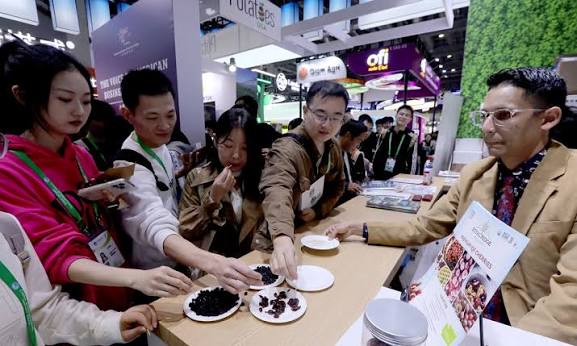
China has become an important destination for international food trade, offering opportunities for manufacturers, exporters, importers, distributors, and retailers looking to expand their businesses. With its extensive production capabilities, growing consumer market, and established international trading networks, the country attracts food industry professionals from across the world. For businesses interested in discovering new products, building supplier relationships, and exploring overseas markets, attending an international trade fair can be a valuable investment.
A food exhibition provides more than an opportunity to display products. It creates a professional environment where buyers can meet manufacturers, compare suppliers, explore market trends, and discuss potential partnerships. China’s growing influence in the global food and beverage industry makes its major trade events particularly relevant to companies seeking international growth.
Understanding the benefits of these exhibitions and preparing effectively can help businesses turn industry connections into practical commercial opportunities.
Why China Is a Major Destination for Food Trade
China’s food industry covers a wide range of sectors, including agricultural products, packaged foods, seafood, meat, dairy, beverages, snacks, and food processing. Its large manufacturing base allows international buyers to explore different sourcing options, while its consumer market creates opportunities for brands interested in introducing new products.
The country also benefits from well-established logistics infrastructure, international ports, and extensive distribution networks. These factors make it an attractive location for businesses seeking suppliers and potential trading partners.
For international companies, China offers opportunities to understand Asian consumer preferences, evaluate manufacturing capabilities, and explore regional distribution channels. Face-to-face discussions with suppliers can also provide a clearer understanding of production standards, product specifications, and commercial requirements.
Discover Global Products and Suppliers in One Place
One of the biggest advantages of international food trade events is the ability to explore multiple product categories under one roof. Instead of spending considerable time contacting suppliers individually, buyers can compare different manufacturers and evaluate their offerings during a single visit.
An established platform such as food exhibition connects food industry professionals with international brands, manufacturers, and distributors. Visitors can explore a diverse selection of products, including:
- Packaged and processed foods: Canned products, ready-to-eat meals, sauces, and convenience foods.
- Meat and seafood: Fresh and frozen meat, poultry, fish, and processed seafood products.
- Dairy products: Cheese, milk-based ingredients, yoghurt, and other dairy specialties.
- Snacks and confectionery: Biscuits, chocolates, healthy snacks, and innovative sweet products.
- Beverages: Coffee, tea, juices, bottled drinks, and non-alcoholic beverage concepts.
- Organic and wellness products: Natural ingredients, plant-based foods, and health-focused alternatives.
This variety allows buyers to identify products that match their target markets while helping suppliers reach potential customers from different regions.
Understanding Emerging Food and Beverage Industry Trends
Consumer preferences are constantly changing, and food businesses must adapt to remain competitive. International exhibitions provide an opportunity to observe these developments and understand which products are attracting attention in different markets.
Several trends are influencing the global food and beverage sector:
1. Health-conscious food choices
Consumers are increasingly interested in products with natural ingredients, reduced sugar, plant-based formulations, and nutritional benefits. This creates opportunities for manufacturers developing healthier alternatives to traditional packaged foods.
2. Convenience and ready-to-eat products
Busy lifestyles have increased interest in frozen meals, prepared foods, instant products, and easy-to-carry snacks. Businesses that offer convenient solutions with consistent quality can appeal to a broad customer base.
3. Sustainable packaging
Environmental concerns are encouraging food manufacturers to explore recyclable materials, reduced packaging waste, and more responsible production practices. Sustainable packaging can also help brands respond to changing retailer and consumer expectations.
4. Premium and international flavours
Consumers are showing interest in specialty ingredients, regional cuisines, premium beverages, and distinctive food experiences. International exhibitions allow brands to introduce these products to buyers who may be looking for something different from conventional offerings.
5. Food technology and supply-chain innovation
Modern food production increasingly relies on improved preservation methods, digital supply-chain management, automated processing, and traceability systems. These developments help businesses improve efficiency while maintaining product safety and consistency.
Business Opportunities for Importers and Exporters
International food exhibitions create opportunities for businesses on both sides of the supply chain. Importers can identify manufacturers offering suitable products, while exporters can introduce their brands to distributors, wholesalers, retailers, and foodservice companies.
For smaller businesses, these events can provide access to international contacts that might otherwise take months to develop. A regional food producer, for example, may find an overseas distributor interested in introducing its products to a new market.
Similarly, an importer can compare several manufacturers before deciding which supplier offers the best combination of quality, price, production capacity, and delivery arrangements.
However, businesses should evaluate potential partners carefully. Important considerations include:
- Product ingredients, quality specifications, and shelf life.
- Food safety certifications and manufacturing standards.
- Minimum order quantities and wholesale pricing.
- Packaging, labelling, and private-label capabilities.
- Production capacity and delivery timelines.
- Export documentation and destination-country regulations.
A competitive quotation alone should never determine a purchasing decision. Reliable communication, consistent product quality, and regulatory compliance are equally important for building sustainable supplier relationships.
Networking and Business Matchmaking
Building professional relationships is one of the most valuable benefits of attending an international trade show. Exhibitors can communicate directly with buyers, demonstrate their products, explain their manufacturing processes, and discuss possible distribution arrangements.
For buyers, networking makes it easier to understand a supplier’s capabilities and ask questions that may not be answered through an online catalogue.
Major industry events also offer organised matchmaking programmes. These services help connect exhibitors with buyers whose purchasing interests match their product categories.
SIAL China, for example, provides its MATCH ME business matchmaking service, which facilitates targeted meetings between exhibitors and potential buyers. Its Shanghai exhibition also includes industry forums, product innovation activities, and international networking opportunities.
SIAL China+2
Such activities can make participation more productive by helping businesses focus on relevant contacts instead of relying entirely on spontaneous conversations.
Why SIAL China Is Worth Exploring
When choosing an international trade event, businesses should consider its reputation, exhibitor diversity, professional visitor profile, and opportunities for commercial networking.
SIAL Shanghai is an established international food and beverage trade fair that has operated in China since 2000. Its official website highlights international sourcing, product innovation, buyer connections, and professional industry activities.
The 2027 Shanghai edition is scheduled for May 18–20 at the Shanghai New International Expo Center. The organiser lists product sectors covering food, seafood, dairy, meat, organic products, beverages, bakery, grains, and halal food, among others.
SIAL China+1
Businesses interested in meeting international suppliers and exploring new products can find event information, exhibitor details, and visitor registration through the official food exhibition website.
For companies targeting the southern Chinese market, SIAL in China South also offers a Guangzhou event, providing another opportunity to connect with regional and international food industry participants.
SIAL China+1
How to Prepare for an International Food Exhibition
Attending a major trade exhibition requires proper planning. Businesses that establish clear objectives before the event are more likely to identify relevant suppliers and develop useful commercial relationships.
The following steps can help visitors make their participation more effective:
Research exhibitors in advance: Review the exhibitor directory and identify manufacturers, distributors, and brands that match your sourcing requirements.
Arrange meetings before travelling: Contact potential suppliers and schedule appointments to discuss product specifications, pricing, and business opportunities.
Prepare relevant questions: Ask about production capacity, minimum order quantities, certifications, packaging options, and international shipping arrangements.
Evaluate samples carefully: Compare product quality, ingredients, packaging, and shelf life before considering a purchasing agreement.
Understand import regulations: Research customs procedures, food safety requirements, labelling rules, and relevant certifications in your destination country.
Follow up after the event: Organise business cards, supplier details, quotations, and meeting notes. Contact promising exhibitors after the exhibition to continue negotiations and request additional information.
These preparations help businesses use their exhibition time efficiently and make decisions based on practical commercial requirements.
Turning Exhibition Connections into Long-Term Business Growth
The real value of attending a trade exhibition often becomes clear after the event. Meeting potential suppliers is only the beginning; businesses must maintain communication and evaluate opportunities before entering into formal agreements.
Companies should compare supplier quotations, request product documentation, verify relevant certifications, and consider arranging sample orders before committing to large purchases. Establishing clear expectations about payment terms, delivery schedules, quality control, and contractual responsibilities can reduce potential misunderstandings.
Businesses should also maintain relationships with industry contacts, as future product launches, market developments, and changing sourcing requirements may create additional opportunities.
For manufacturers and exporters, consistent follow-up can turn an initial buyer meeting into a long-term distribution relationship. For importers and retailers, maintaining a reliable supplier network can improve purchasing flexibility and strengthen supply-chain resilience.
Conclusion
China offers valuable opportunities for businesses looking to participate in international food trade, discover innovative products, and establish relationships with global suppliers. Its established manufacturing capabilities, expanding consumer market, and international business networks make it an important destination for food industry professionals.
Attending an international exhibition allows companies to compare products, understand emerging consumer trends, explore sourcing opportunities, and connect directly with potential business partners. However, achieving meaningful results requires careful preparation, supplier evaluation, and consistent communication after the event.