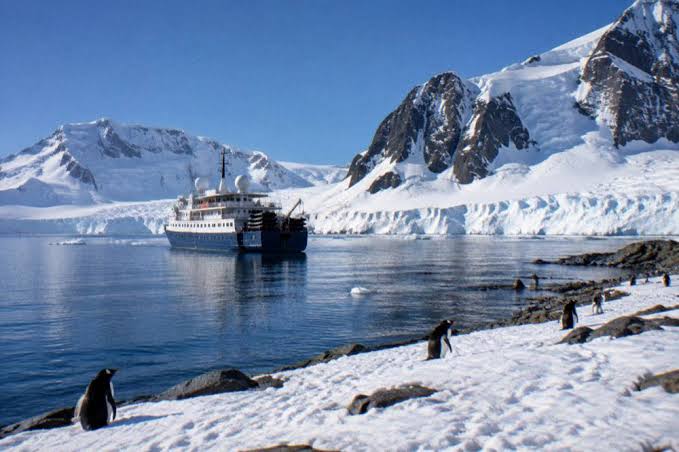
Antarctica rewards travelers who understand how an expedition cruise actually operates. Daily plans hinge on weather systems, sea ice, wildlife behavior, and strict environmental protocols. The captain and expedition leader assemble options each morning using satellite ice charts, marine forecasts, tide tables, and recent wildlife information. Landings require calm shores sheltered from the wind and safe surf, Zodiacs must operate efficiently, and site guidelines cap group sizes ashore. When guests grasp these moving parts, they set realistic expectations, pack smarter, and appreciate why an afternoon transit through a strait filled with icebergs can replace a planned penguin colony visit. The result is a safer voyage, richer sightings, and a better story behind every photograph.
- From Drake Passage to the Peninsula: Variables Your Expedition Leader Tracks
Before you choose an itinerary, look closely at how an Antarctica Expedition Cruise is actually run, because route flexibility is a defining feature. Crossing the Drake Passage involves evaluating swell height, wind direction, and the timing of low-pressure systems. Once along the Gerlache Strait or near the Lemaire Channel, decisions pivot to local katabatic winds, brash ice density, and tidal windows for Zodiac operations. A site with gentoo penguins might be perfect in the morning but unsafe by afternoon if swell builds and the landing zone becomes a surf break. Transit time matters too. A two-hour reposition to a sheltered bay can swap a risky landing for a scenic Zodiac cruise beside glacier faces and seals resting on ice.
This is why you hear about Plan A, B, and C in briefings. The bridge team studies isobars and ice charts, the expedition staff checks IAATO site guidelines, and scouts scan for wildlife concentrations reported by other vessels that week. The relationship is simple but consequential: better conditions and wildlife density equal better odds of a successful landing. When pack ice chokes the Lemaire Channel, for instance, your ship might detour into Paradise Bay for mirror calm waters and humpback whales feeding on krill. No two sailings replicate each other, and that variability is part of the experience rather than a failure of the plan.
- Zodiac Operations and Shore Protocols: How a Landing Comes Together
Every shore visit begins with operational choreography. Guests queue at the mudroom, disinfect boots, and suit up in waterproof layers. Crew at the gangway manage the ladder, radios crackle, and Zodiacs cycle passengers in small groups wearing life jackets. A dry landing uses a stable rock shelf or small dock; a wet landing means stepping into water reaching the shins during a lull in the surge. Shore teams mark safe routes with flags to keep people off fragile moss beds and away from cliff edges. If swell increases or a wind shift exposes the site, operations pause or switch to a Zodiac cruise along ice cliffs and floes.
Shore access is also shaped by conservation rules. Under IAATO guidelines, most landing sites cap visitors ashore at 100 at a time, so groups rotate to keep wildlife disturbance low. Biosecurity is nonnegotiable. Expedition staff check that Velcro is vacuumed, boot treads are scrubbed, and tripods or backpacks are free of seeds or soil. Overlooking this step risks introducing material from outside the region to a pristine environment. Time ashore is usually structured to balance photography, quiet observation, and interpretation, with staff reminding guests to yield to penguin highways and to keep the prescribed distance from nesting birds.
- Wildlife Priorities vs. Seasonal Timing on the Antarctic Peninsula
What you hope to see should influence when you go. Early season in November and December brings lingering sea ice, fresh snow, and penguin courtship and nest building. By January, gentoo, chinstrap, and Adélie colonies are busy with chicks, and skuas patrol the colonies. Late season in February and March often sees excellent whale activity as krill pulses concentrate in bays, and snow from earlier in the season gives way to patchy rock and guano. The relationship between sunlight, phytoplankton blooms, and krill explains why humpbacks and minkes can be so active later in the austral summer.
There is a tradeoff embedded in each window. Early departures deliver pristine snowscapes and the drama of the first landings but may face heavier ice that blocks narrow channels. The middle of the season maximizes penguin family scenes but can involve muddier landings and more rocks made slippery by guano underfoot. Late season usually reduces fast ice and opens scenic routes, yet some seabird colonies quiet down as chicks fledge. A traveler prioritizing whale behaviors might favor late February, while a photographer focused on nest building and snow textures might accept more ice risk in December.
- Skipping the Drake: What a Fly Cruise Changes
Flying to King George Island and boarding your vessel there avoids the Drake Passage, but it changes the operational considerations. The advantage is time and a reduced chance of seasickness. The trade-offs include aircraft weight limits that constrain luggage and the potential for weather delays at both departure and landing strips. If fog settles over the South Shetlands, flights can be delayed for hours or shift to the next day, compressing the ship schedule at the beginning or end of the voyage.
Because cruises involving flights swap two sea days for a short flight, you lose opportunities to watch seabirds over the open ocean and the slow build of crossing the Antarctic Convergence. You gain more hours alongside icebergs and colonies. The practical relationship is that schedule flexibility on each side of the flight cushions you from disruptions. Many travelers build extra days into plans for Punta Arenas or Ushuaia so a bank of fog does not lead to missed connections after the voyage.
Preparation That Protects the Continent and Your Gear
Antarctic conditions reward disciplined packing and camera care. A waterproof and breathable shell, insulated middle layers, and merino or synthetic base layers keep you comfortable during windy Zodiac rides. Rubber boots reaching the calves with good tread handle wet landings and rocks made slippery by guano. A small dry bag protects cameras from spray, and spare batteries ride in inner pockets because cold drains charge quickly. After moving from cold air into a warm ship, lenses can fog; sealed bags and silica gel help you acclimate gear gradually. Walking poles add stability on snow stairs cut by staff, and light glove liners let you operate camera controls without exposing bare skin for long.
Respecting protocols is part of preparation too. Clean your outerwear before travel, then use the ship’s boot wash and vacuum stations every time you leave or return. Onboard briefings explain routes, wildlife distances, and how to yield to penguin traffic. Those rules are what make close, ethical encounters possible season after season. Expect plans to change, celebrate the unscripted moments a whale moving quickly or a drifting fragment of iceberg can create, and treat your expedition as a field course in making decisions as conditions change. Understanding how operations, weather, ice, and biology fit together is the surest way to enjoy every landing, whether it runs exactly as briefed or adapts as circumstances change.