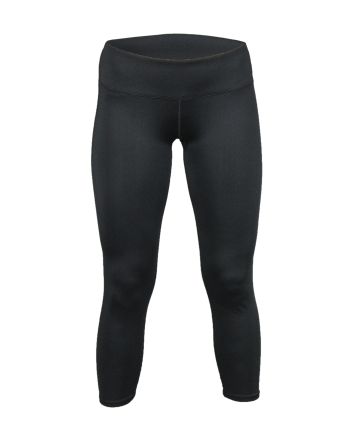
Ask people about their most frustrating clothing purchases, and many will mention pants. A pair that looked perfect online but pulled at the hips. A size that fit last year but suddenly feels tight from the same brand. Trousers that were comfortable standing up but uncomfortable the moment they sat down.
Fit is important for every type of clothing, but it plays an especially powerful role with bottoms. Pants interact with the body in more complex ways than tops, and small differences in cut can turn a favorite pair into one that never gets worn.
For the apparel industry, this has real consequences. Fit affects whether customers keep what they buy, whether they return to a brand, and whether they recommend it to others. This article examines why pants fit matters so much and how different groups experience the challenge, from individual shoppers to the brands and retailers trying to serve them.
Why Pants Are Harder to Fit Than Tops
A shirt mainly needs to accommodate shoulders, chest, and arm length. Even then, a slightly loose or slightly snug shirt can still be worn comfortably.
Pants are more demanding. They must fit the waist, hips, seat, thighs, and length at the same time, and they must stay comfortable through a wide range of movement. Sitting, climbing stairs, bending and walking all place different demands on the fabric.
Body shapes also vary widely in how these measurements relate to one another. Two people with the same waist measurement may have very different hip and thigh measurements. A cut designed around one proportion will inevitably feel wrong for some customers.
The rise, the distance from the crotch to the waistband, adds another layer. A rise that feels secure and comfortable for one person may feel too low or too high for another. Small changes in rise can transform how a pair of pants feels.
Through the Eyes of the Shopper
The Emotional Side of Fit
For many people, trying on pants is more emotionally charged than trying on tops. A size that does not fit can feel like a personal judgment rather than a design issue. Shoppers who repeatedly struggle to find pants that fit may come to dread the experience.
When a shopper does find a pair that fits well, the reaction is often strong. Many people will buy the same style in multiple colors and return to the same brand again and again. Good fit creates loyalty in a way few other product qualities can.
Inconsistency Between Brands
One of the biggest frustrations for shoppers is that sizes are not consistent across brands. A medium in one brand may fit like a large in another. Waist measurements labeled the same may differ noticeably. This makes shopping, especially online, a guessing game.
The Online Challenge
Online shopping has made fit even more important. Without a fitting room, customers rely on size charts, product descriptions, reviews, and photos. When these are unclear, customers often order multiple sizes and return the ones that do not fit, or avoid buying altogether.
Stretch, Structure and the Fit Equation
Fabric plays a significant role in how forgiving pants are.
Stretch Fabrics
Stretch fabrics adapt to the body and recover their shape, which makes them more forgiving across different proportions. This is one reason leggings have become so popular. Their stretch allows a wider range of bodies to find a comfortable fit within a smaller number of sizes. Retailers and studios stocking wholesale leggings often find that customer satisfaction depends heavily on fabric qualities such as opacity, compression and waistband design, because once stretch handles basic sizing, these details decide whether a pair feels right.
Structured Fabrics
Rigid fabrics like denim, canvas, and twill have little give. They can look sharp and last a long time, but they demand more accurate sizing. Small differences in waist or hip measurements are felt immediately.
Blends
Many modern pants use blends that combine a structured look with a small amount of stretch. These are often a good compromise, offering a polished appearance with improved comfort.
Through the Eyes of the Brand
Designing for a Diverse Population
Brands face a difficult task. They must create patterns that fit as many customers as possible while maintaining a consistent style. Every decision about rise, seat room, thigh width, and leg shape will suit some customers better than others.
Fit Models and Testing
Many brands rely on fit models, people whose measurements represent a target size, to develop patterns. However, relying on a single fit model can lead to garments that fit that body well but miss many customers. More brands now test garments on a range of body types to improve fit across sizes.
The Cost of Getting Fit Wrong
Poor fit leads to returns, negative reviews, and lost customers. For brands, these costs add up. Returns involve shipping, handling, and sometimes products that cannot be resold. Negative reviews can discourage future buyers. Lost customers may never come back.
Consistency as a Competitive Advantage
Brands that keep their fits consistent across seasons build trust. Customers who know their size in a particular style are more likely to reorder with confidence, especially online.
Through the Eyes of the Retailer
Retailers sit between brands and customers, and they feel the effects of fit problems directly.
Managing Returns
Fit is one of the most common reasons customers return clothing. Each return represents extra work and cost for the retailer. Reducing fit-related returns is a major priority for many stores, particularly online sellers.
Stocking the Right Range
Retailers must decide which styles, fits, and sizes to stock. Offering too narrow a range risks losing customers who cannot find their fit. Offering too many options can strain budgets and storage.
Many retailers approach this by building a core assortment across several pant categories, such as chinos, joggers, work pants and casual trousers, so customers with different preferences can find something that suits them. Stores purchasing bulk pants across multiple styles often pay close attention to size runs and fit descriptions, since a well-chosen assortment can reduce returns and help customers find their size more easily.
Helping Customers Choose
Retailers can improve satisfaction by offering clear size charts, detailed fit descriptions, photos on different body types, and knowledgeable staff. In physical stores, a comfortable fitting room experience makes a real difference.
The Role of Clear Information
Across all perspectives, clear information emerges as one of the most effective tools for improving fit outcomes.
Size charts that include waist, hip, rise, and inseam measurements help customers compare garments against clothes they already own. Fit descriptions that explain whether a style runs slim, regular, or relaxed help set expectations. Customer reviews that mention height, usual size, and how the garment fit provide valuable real-world context.
When information is vague, customers fill the gaps with guesses, and guesses often lead to returns.
Fit Beyond the Fitting Room
Fit is not only about how pants feel at the moment of purchase. It also depends on how they behave over time.
Some fabrics relax with wear, becoming looser after a few hours or days. Others shrink slightly after washing. A pair that fits perfectly in the store may feel different after a month of real use. Customers notice these changes, and they often affect whether a brand earns repeat purchases.
Brands that test garments through repeated wear and washing, and that describe how a fabric is likely to behave, help customers make better decisions and reduce disappointment later.
Fit challenges are often greatest for customers outside the standard size range. People who wear extended sizes, petite or tall lengths, or who have proportions that differ from typical patterns often struggle most to find pants that fit.
Brands and retailers that invest in inclusive sizing, including extended sizes, multiple inseam options, and patterns developed for different body shapes, can earn strong loyalty from customers who have historically been underserved.
How Fit Builds Long-Term Loyalty
The connection between fit and loyalty is powerful. A customer who finds pants that fit well is likely to return to the same brand, buy additional colors, recommend the brand to friends, and trust the brand’s other products.
In contrast, a customer who experiences repeated fit problems may abandon a brand entirely, even if other aspects of the product are excellent. Fit is often the deciding factor in whether a single purchase turns into a long-term relationship.
Conclusion
Pants fit matters more than many people realize. Because bottoms must accommodate so many measurements and movements, they present one of the biggest sizing challenges in apparel. Shoppers feel the frustration of inconsistent sizing, brands face the difficulty of designing for diverse bodies, and retailers manage the costs of returns and stock decisions.
The solutions are not simple, but they are clear: better pattern development, testing on a range of body types, consistent fits across seasons, inclusive size ranges, and clear, detailed information. When these elements come together, customers find pants that fit, and that experience builds the kind of loyalty that keeps them coming back.
FAQs:
Why is it so hard to find pants that fit?
Pants must fit several measurements at once, including waist, hips, thighs, rise, and length, and body proportions vary widely between people.
Why do sizes differ between brands?
Brands use different patterns, fit models, and sizing standards, so the same labeled size can fit differently from one brand to another.
Do stretch fabrics make fit easier?
Yes. Stretch fabrics adapt to the body and are more forgiving across different proportions, which is one reason leggings and stretch pants are popular.
How can I choose the right size when shopping online?
Compare the brand’s size chart to a pair of pants you already own, read fit descriptions and reviews, and check whether the style runs slim, regular, or relaxed.