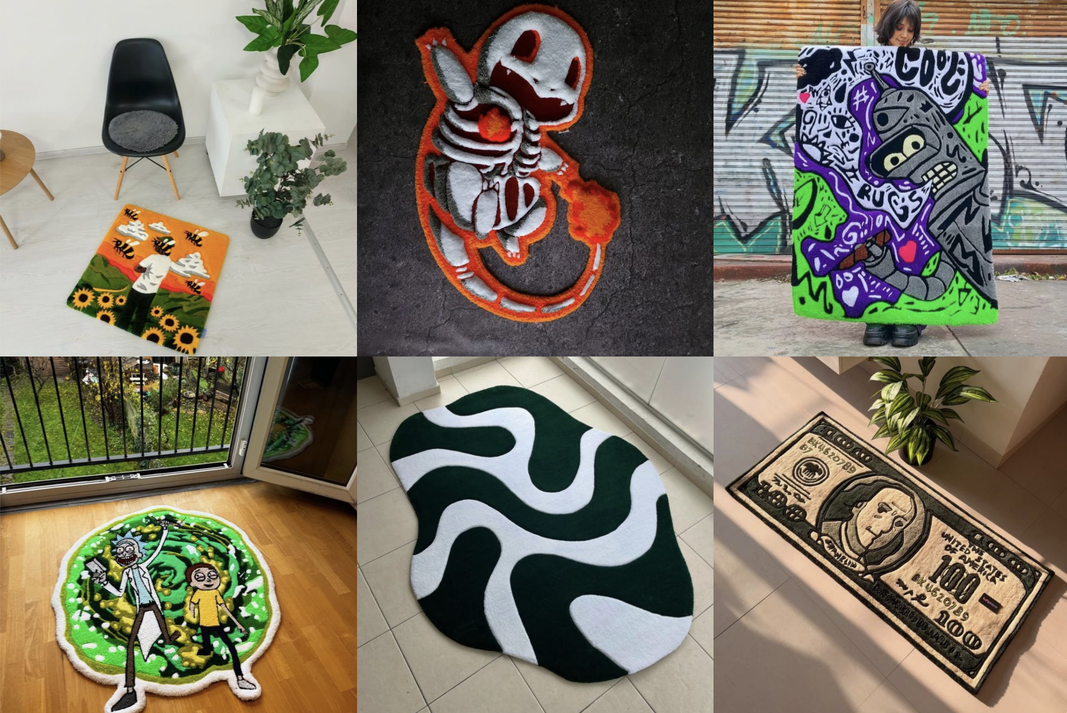
Have you ever wondered if you could make your own rug from scratch and finish it in a single afternoon? Tufting is a craft that makes it possible, even if you have never picked up a tufting gun before. If you want to know where to start, what tools you need, and how to avoid the most common beginner mistakes, this guide has everything you need. Read on and discover that your first handmade rug is closer than you think.
What Is Tufting and Why Is Everyone Doing It?
Tufting is a textile technique where yarn is pushed through a stretched primary fabric using a special tufting gun or needle, creating a dense, durable pile on the surface. The result is a handmade rug, wall hanging, or decorative piece with character and uniqueness that mass production simply cannot replicate.
Over the past few years, tufting has experienced a genuine renaissance, not just among professional textile artists, but among thousands of everyday crafters who are setting up their own tufting corners at home.
The reason is straightforward: results are immediate and visible, the learning curve is manageable, and the finished product brings a deep sense of satisfaction that few other crafts can match. Social media has amplified this trend enormously, with creators sharing their work and inspiring others to pick up the craft.
Tufting sits at the intersection of art, interior design, and hands-on making. Whether you want to create a custom rug for your living room, a personalised gift, or simply explore a new creative outlet, tufting offers an accessible entry point with genuinely impressive results from the very first session.
Where to Buy Tufting Supplies?
Finding quality tufting supplies is one of the biggest practical challenges for beginners, especially outside major cities. The right source of materials makes the difference between a frustrating first experience and a genuinely enjoyable one.
Tufty.eu is a dedicated European online store built specifically for tufting enthusiasts at every level. From tufting guns and adjustable frames to a wide selection of yarns and backing materials, the shop covers everything you need to get started and grow your skills.
Products come with clear descriptions, and shipping is fast across Europe. Whether you are buying your very first tufting gun or upgrading to professional tufting equipment, Tufty is a reliable and well-stocked destination for anyone serious about the craft.
What Do You Need to Start Tufting?
Before you begin, gathering the right equipment is essential. Without quality tools, even a simple project can become unnecessarily frustrating — and many beginners give up not because the craft is difficult, but because their materials were working against them.
Essential equipment for beginners:
- Tufting gun (cut pile or loop pile — see below)
- Primary tufting fabric (monk’s cloth or dedicated tufting cloth)
- Wooden or metal frame for stretching the fabric
- Quality yarn (acrylic or wool)
- Latex adhesive for backing
- Secondary backing fabric
- Scissors and optional pile trimmer
Investing in a decent frame and a reliable tufting gun from the start pays off immediately. Cheap tools jam frequently, produce uneven pile, and turn what should be an enjoyable afternoon into a battle with your equipment. You do not need the most expensive setup on the market, but quality matters more here than in most crafts.
Cut Pile vs. Loop Pile: Which Tufting Gun Should You Choose?
This is one of the most frequently asked questions among beginners — and making the right choice significantly affects both the look of your finished rug and your overall experience during the process.
A cut pile tufting gun cuts the yarn after each stitch, creating a soft, plush surface similar to a classic carpet. It is more intuitive to use and more forgiving with different yarn types and weights. For absolute beginners, this is the recommended starting point.
A loop pile tufting gun leaves the yarn in loops, producing a more structured, textured surface with a distinctive geometric quality. Loop pile rugs are more durable and well suited to high-traffic floor use, but they require slightly more practice and careful attention to yarn tension.
| Gun Type | Pile Result | Difficulty | Best For |
| Cut pile | Soft, plush | Lower | Beginners, wall art, decorative pieces |
| Loop pile | Structured, looped | Medium | Floor rugs, geometric patterns |
Many crafters eventually own both types, but starting with a cut pile gun allows you to focus on learning the technique itself without worrying about loop consistency at the same time.
Step-by-Step: How to Tuft Your First Rug
The entire process follows a clear sequence of steps that build logically on one another. Understanding each stage before you begin makes the whole project feel far more manageable.
Start by stretching your fabric onto the frame and transferring your pattern. Load the tufting gun with yarn according to the manufacturer’s instructions and test a few stitches on a spare corner of fabric.
This helps you feel the resistance and rhythm before you work on the actual design. When tufting, move the gun smoothly along the drawn lines at a consistent pace. Pressure and speed both affect pile density, so keep your movements steady and deliberate.
Once the entire pattern is tufted, remove the fabric from the frame and apply latex adhesive evenly across the back. The latex locks every stitch in place and prevents yarn from pulling out.
Allow it to dry fully, typically between four and eight hours depending on the product and room temperature. Then attach the secondary backing fabric, which adds stability and makes the underside soft and floor-friendly.
Finally, trim the edges to your desired shape and use a pile trimmer or scissors to even out the pile height across the surface. Your first rug is complete.
How Long Does It Actually Take to Make a Rug?
This is one of the most practical questions any beginner asks and the honest answer is more encouraging than most people expect. A small rug measuring approximately 40 x 60 cm is achievable in a single afternoon, typically three to five hours of active work, not counting latex drying time.
Larger projects naturally take longer. A rug measuring 80 x 120 cm will take an experienced tufter a full day and a beginner perhaps an entire weekend.
The time also depends heavily on pattern complexity, gun type, and how comfortable you become with the rhythm of the work. Highly intricate patterns with many colour changes can double the production time, which is exactly why starting simple is such consistently good advice for first-time makers.
As your confidence grows, you will find that the process speeds up naturally. After just two or three projects, what once took an entire afternoon can be done in an hour or two and the quality of the results improves with every piece you make.
Conclusion
So, can you really create your own rug in just one afternoon? Absolutely yes. With the right equipment, a simple pattern, and a little preparation, everything you need is already within reach. Tufting is not a difficult craft, it is a technique that rewards practice, and your very first project will prove that there is nothing to fear. The key to success lies in quality fabric, a well-tensioned frame, patience during the latex stage, and the willingness to start small and learn as you go. The result will be a rug that is genuinely yours – designed by you, made by your hands, and unlike anything available in any shop. Start with a small format, embrace the imperfections, and let tufting become the creative habit you never knew you needed.