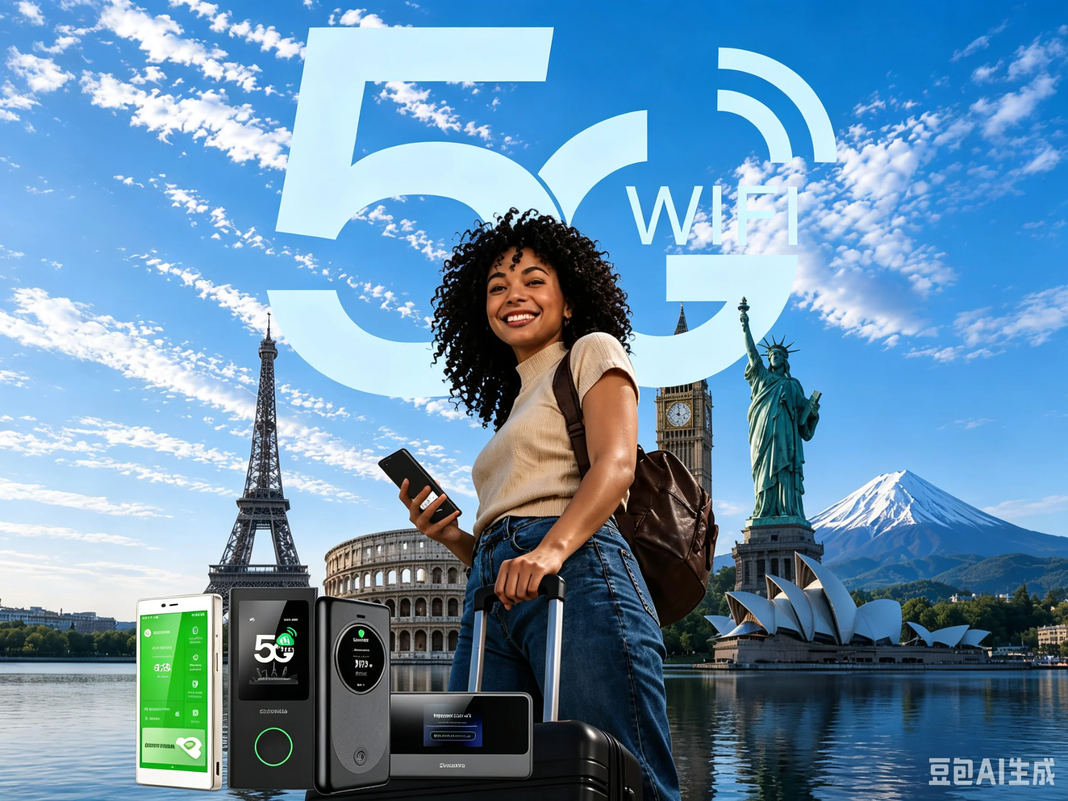
Traveling through unfamiliar cities often involves much more than finding famous landmarks or booking comfortable accommodation. Visitors need to navigate complicated transport networks, communicate with hosts, access digital tickets, manage payments, and make decisions when unexpected situations arise. These activities depend heavily on having a reliable internet connection at the right moment. With pocket wifi europe, travelers can create a more flexible connectivity setup that supports their daily plans without relying entirely on public Wi-Fi or repeatedly searching for a suitable local connection.
The challenge becomes more noticeable when a journey includes several destinations within a short period. Someone might arrive in Paris, travel by train to Brussels, spend a weekend in Amsterdam, and then continue to another country. Each transition can introduce different network arrangements, transport applications, accommodation requirements, and communication needs. Managing these changes through a single smartphone connection may be convenient for some travelers, but it can also involve roaming costs, limited data allowances, or compatibility concerns. Understanding the available internet options helps travelers choose a setup that fits the practical demands of their itinerary.
Connectivity also has a less obvious role in personal security. A stable connection makes it easier to verify accommodation details, contact trusted people, check official transport updates, and access account recovery options when necessary. However, being connected does not automatically make someone safe online. Travelers must still consider network security, privacy settings, data consumption, and the risks associated with unfamiliar websites. A thoughtful internet strategy combines dependable access with sensible digital habits, allowing visitors to explore new places while keeping their information and plans under better control.
Why Connectivity Has Become Part of Modern Travel Planning
Travel planning once depended heavily on printed maps, guidebooks, hotel reception desks, and information collected before departure. These resources remain useful, but modern journeys increasingly rely on services that change throughout the day. A train platform may be updated shortly before departure, a restaurant may require an online reservation confirmation, or an accommodation host may send access instructions through a messaging application. Without internet access, even a well-organized itinerary can become difficult to manage when circumstances change.
The importance of connectivity is especially clear during independent travel. Visitors who do not speak the local language may need translation tools to understand menus, public notices, or directions. Navigation applications can help identify alternative routes when streets are closed, while transport services provide information about delays and connections. Access to these tools can reduce confusion and make unfamiliar environments easier to navigate. Rather than treating mobile internet as an optional convenience, travelers can consider it part of the basic preparation required for a smooth journey.
How Pocket WiFi Europe Supports Multi-Destination Journeys
Cross-border travel introduces several practical questions that are easy to overlook when preparing a trip. A mobile plan that works well in one country may have different roaming conditions elsewhere, and a prepaid SIM may require travelers to check regional coverage or purchase additional data. Some smartphones support eSIM technology, while others depend on physical SIM cards. Portable Wi-Fi offers another option by creating a wireless connection that compatible devices can use without each device needing its own separate mobile data plan.
The usefulness of a portable hotspot depends on its supported networks, coverage arrangements, data package, battery life, and the number of devices being connected. Travelers should examine these details before departure instead of assuming every device will work equally well in every destination. The official pocket wifi europe guide can help readers explore considerations related to portable internet for European journeys. Checking the provider’s coverage information for the specific countries on an itinerary is particularly important when the trip includes smaller towns, rural areas, or destinations outside major transport corridors.
Another advantage of a separate hotspot is that it can reduce dependence on a single phone’s mobile data connection. A traveler may connect a laptop, tablet, or secondary phone to the same device when the selected plan and hotspot support those connections. This can be useful for families sharing access or professionals who need to check documents while moving between destinations. Nevertheless, device limits, connection speeds, battery capacity, and data restrictions should be checked in advance because actual performance varies according to the product, network, and local conditions.
Understanding How to Have WiFi Anywhere Without Assuming Every Location Has Coverage

The idea of staying connected almost anywhere sounds simple, but mobile internet depends on a physical network infrastructure. Signals may be strong in central urban districts yet weaker in underground stations, mountainous areas, remote villages, or buildings with thick walls. Even a capable portable hotspot cannot guarantee uninterrupted service where compatible cellular networks are unavailable. Understanding this limitation helps travelers build realistic expectations and prepare alternatives for places where a connection may be unreliable.
Learning how to have wifi anywhere starts with identifying the different methods of accessing the internet. Depending on the destination and device, these may include international roaming, local SIM cards, eSIM plans, portable hotspots, and trusted Wi-Fi networks. Each option has different advantages. Roaming may require little setup, local SIM cards can suit longer stays, and eSIM plans may offer convenient activation on supported phones. Portable hotspots can be useful when several compatible devices need access through one connection.
The most suitable option depends on the type of trip rather than a universal rule. A traveler staying in one city for several weeks may benefit from a local mobile plan, while someone moving between several countries might prefer a regional solution. A remote worker may prioritize reliable laptop connectivity, whereas a leisure traveler may mainly need maps, messaging, bookings, and occasional browsing. Comparing these needs before purchasing a plan can prevent unnecessary spending and reduce the chance of running out of data at an inconvenient time.
The Hidden Digital Risks of Traveling With Constant Internet Access
Travelers often focus on whether a network is available without considering what happens when they connect to it. Public Wi-Fi in airports, hotels, cafés, and shopping centers can be convenient, but users should not automatically assume every network is legitimate or appropriately secured. Fraudulent networks may imitate familiar names, and poorly protected connections can expose users to certain privacy and security risks. The safest approach is to verify network details with staff when necessary and avoid entering sensitive information into unfamiliar pages.
A personal hotspot can reduce the need to connect directly to shared public networks, but it is not a complete security solution. The underlying cellular connection, connected devices, websites, and applications still matter. Travelers should use strong passwords, keep their operating systems updated, enable multifactor authentication where available, and avoid installing applications from unverified sources. When accessing banking or work accounts, they should confirm that websites use legitimate domains and secure connections rather than relying solely on the fact that their device is connected to a personal network.
Account access also deserves attention before departure. Losing a phone, forgetting a password, or being unable to receive a verification message can create serious complications abroad. Saving recovery codes securely, keeping important reservation details available offline, and maintaining a backup method for essential accounts can make recovery easier. These preparations are especially useful when travelers depend on their phones for boarding passes, hotel entry, payment confirmations, and communication with family members.
Managing Data Consumption During Long Travel Days
Data usage can increase unexpectedly when travelers use navigation, upload photographs, make video calls, stream entertainment, and synchronize files throughout the day. Automatic application updates and cloud backups may also consume data without drawing much attention. A plan that appears sufficient for basic browsing can become restrictive when several devices share one connection or when a traveler regularly works online.
A practical solution is to separate essential activities from optional data-heavy tasks. Maps for planned destinations can often be downloaded in advance, important documents can be saved locally, and large files can be synchronized over a trusted connection before leaving accommodation. Travelers can also review their devices’ data-usage settings and disable unnecessary automatic downloads. These small adjustments help preserve mobile data for situations when live information is genuinely important.
Sharing a hotspot requires additional planning because the connected devices may use data differently. A laptop running background applications can consume more data than a phone used mainly for messaging. Families or travel groups should agree on reasonable usage expectations, especially if their package has a fixed allowance. Checking remaining data periodically is more effective than discovering a limit only when an essential application stops working.
Building a Backup Plan for Unpredictable Travel Conditions
A dependable travel setup should not depend entirely on one device or one method of internet access. Batteries can run low, equipment can be misplaced, mobile networks can experience interruptions, and service availability can vary by location. Travelers can reduce the impact of these problems by charging their devices before long journeys, carrying an appropriate power bank, and checking whether their portable hotspot supports the expected duration of use.
Offline preparation is equally valuable. Downloaded maps, saved accommodation addresses, copies of transport reservations, emergency contact information, and essential travel documents can remain accessible when mobile data is unavailable. Keeping these materials securely stored on a device means that a temporary connection problem does not immediately prevent the traveler from finding a hotel or identifying the next stop. Sensitive documents should still be protected with suitable device security and stored only where necessary.
It is also worth identifying an alternative connection before entering a location where coverage may be uncertain. Travelers can review their route, check whether accommodation provides internet access, and determine whether a secondary SIM or roaming option is available. This does not mean purchasing every possible connectivity product. Instead, it means selecting one practical backup that matches the trip’s length, destinations, budget, and importance of staying online.
Choosing a Connectivity Setup That Matches Your Travel Style
Different travelers have different expectations, and the best internet arrangement should reflect those differences. A person taking a short city break may need little more than a reliable smartphone plan, downloaded maps, and access to booking confirmations. Someone traveling across several countries may place greater value on regional coverage and predictable data costs. Remote workers may need to evaluate upload speeds, connection stability, device compatibility, and whether their workplace permits the use of particular networks.
Before choosing a service, travelers should compare coverage, supported countries, total data allowances, speed policies, activation requirements, and any additional charges. They should also confirm whether the device is compatible with their preferred network and whether the service requires an application or account setup. Looking beyond advertised speeds and headline prices helps reveal whether a plan will suit real travel conditions rather than only the most favorable circumstances.
Ultimately, good connectivity planning is about reducing friction rather than remaining online every second. The right setup allows travelers to access important services when needed, share a connection when appropriate, and continue their journey with fewer avoidable interruptions. It should also leave room for offline experiences, spontaneous discoveries, and the freedom to put a device away without worrying that every practical detail depends on a live connection.
Final Thoughts
Reliable internet has become an important part of navigating unfamiliar destinations, but its real value lies in how effectively it supports the journey. A carefully selected connection can help travelers manage bookings, compare routes, communicate across borders, and handle changes without unnecessary stress. At the same time, realistic expectations about coverage, sensible data management, and basic security practices remain essential for a dependable experience.
For travelers moving between countries, pocket wifi europe can be one option worth evaluating alongside roaming, local SIM cards, and eSIM services. The decision should depend on the itinerary, compatible devices, coverage requirements, and expected usage. By combining the right connectivity method with offline preparation and secure digital habits, travelers can enjoy greater flexibility while staying ready for the unexpected.
Frequently Asked Questions
Is portable Wi-Fi useful for traveling through multiple European countries?
It can be useful when the device and selected data plan support the countries on the itinerary. Travelers should confirm regional coverage, data limits, network availability, and any applicable restrictions before departure.
Can a portable hotspot provide internet in remote areas?
A hotspot requires access to a compatible mobile network, so service is not guaranteed in remote or poorly covered locations. Checking coverage maps and downloading essential information before traveling can help reduce disruptions.
Is portable Wi-Fi safer than public Wi-Fi?
A personal hotspot can reduce reliance on shared public networks, but it does not eliminate every security risk. Strong passwords, updated devices, multifactor authentication, and careful browsing remain important.
How can travelers avoid running out of mobile data?
They can download maps and documents in advance, limit automatic backups, monitor usage, and avoid unnecessary high-resolution streaming. Anyone sharing a connection should also consider how other devices consume data.
What should travelers prepare if their internet connection stops working?
Keep essential addresses, reservations, maps, and emergency contacts available offline. A charged power bank and a suitable backup connection can also help when a primary network or device becomes unavailable.