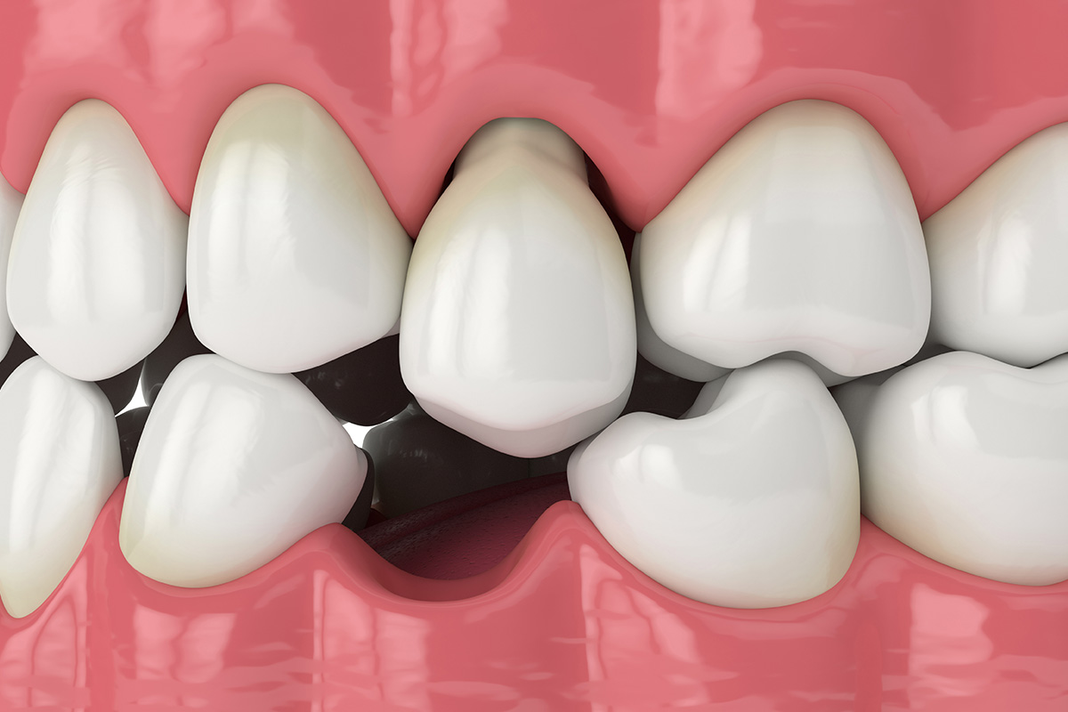
Losing a tooth, no matter if it is because of an injury or gum disease, can affect your health and self-confidence. It is not just visible in your smile but it impacts your ability to chew comfortably, affects your speech, and can lead to long-term jawbone deterioration. When exploring choices for restoration, patients wonder whether an implant-based tooth replacement is the right choice or not.
Dental implants are considered the gold standard in modern restorative dentistry. There are different clinical factors like your health, and your personal treatment goals that decide if they are suitable for you or not. Below we are going to give a detailed look at how these implants function and their advantages and what exactly makes you the perfect candidate for them.
How Dental Implants Work
Dental implants completely replace the entire structure of a missing tooth unlike traditional dentures or fixed dental bridges that sit on the top of the gums or depend on adjusting teeth for support.
An implant consists of three main parts:
- The first one is the titanium post which is a small biocompatible screw that is placed into the jawbone to work as an artificial tooth root.
- The next one is the abutment which is a connector piece that is attached to the post and holds the final restoration in place.
- The last part is the crown which is a custom-crafted artificial tooth that matches your natural teeth.
Once implanted the titanium post goes through a natural process where the surrounding jawbone fuses with the post over several months. This creates a solid foundation that is capable of enduring biting and chewing forces.
Key Benefits of Implant Restorations
Superior Stability and Function
The implants fuse with the bone so they work like your natural teeth. You can eat your favourite foods, speak without any problem and smile without thinking about clicking or slipping or any sort of discomfort which is associated with removable dentures.
Preserving Jawbone Density
The jawbone does not receive mechanical stimulation that is required to maintain the density when a natural tooth root is lost. At that time the bone starts to reabsorb which leads to a sunken facial appearance. Dental implants stimulate the bone like natural roots which halts bone loss and also preserves your natural jawline structure.
Protection of Adjacent Teeth
Traditional dental bridges need grinding down healthy neighbouring teeth to work as anchors for the floating tooth. Dental implants are self-supporting, which means the adjacent natural teeth will remain untouched and intact.
Exceptional Longevity
When you’re following a proper oral hygiene routine and regular dental checkups a dental implant post can definitely last you a lifetime. The attached crown may eventually experience normal wear after 10 to 15 years. The underlying foundation remains safe, making implants an extremely cost-effective and long-term solution.
Criteria for a Suitable Candidate
Dental implants provide outstanding outcomes but they are not perfect for every single situation without preliminary treatment. Your dentist will assess several criteria during your consultation.
- You need sufficient quality and quantity of jawbone to support the implant post. If bone loss has already occurred, a bone grafting procedure can rebuild the area before placement.
- Active periodontal disease can also interfere with tissue healing and increase the risk of failure. Any underlying gum infection should always be treated fully before an implant surgery.
- If you have any chronic medical conditions that slow down healing it can also affect candidacy.
- Smoking increases the risk of implant failure by restricting the blood flow to the healing tissues. The candidates are encouraged to stop smoking permanently before and during recovery.
- Implants need the same care as your natural teeth which includes daily brushing, flossing, and routine dental cleanings.
Evaluating Alternative Options
There are alternative solutions that you can opt for if dental implants are not perfect for your current situation for any reason including budget constraints, medical conditions, or a preference to avoid surgery. Fixed dental bridges provide a trustworthy non-surgical option for single or short-span gaps. On the other hand, partial or full removable dentures can handle widespread tooth loss in an efficient way.
Bottom Line
When you want to replace missing teeth dental implants provide a durable and health-preserving path. You should schedule a comprehensive evaluation with a qualified dental professional if you’re dealing with tooth loss. They can take digital scans, assess the bone structure, and help you determine whether an implant-based restoration is the right strategy for you or not.
With that, if you’re in search of a place that can provide you with exceptional services and can enhance your smile then you must connect with us at Today’s Dental.
READ ALSO: Decoding Common Injuries And How To Avoid Them In Yoga