Getting dressed, using a spoon, or joining a playground game can look effortless from the outside. For some children, those ordinary moments involve considerable concentration, coordination, or discomfort. Occupational therapy helps identify what makes participation difficult and builds practical ways to make daily activities more manageable. Its focus is not on rushing children toward a particular milestone or expecting everyone to learn in the same way. Instead, it connects individual strengths with meaningful goals, giving families and children strategies they can use throughout the day.
Look Beyond the Name to Understand the Purpose
In childhood, an occupation is simply something a child needs or wants to do. That might mean fastening a coat, holding cutlery, drawing, playing with friends, or managing a classroom routine. Pediatric occupational therapists examine the physical, sensory, and organizational demands behind those activities.
A child who avoids writing, for example, might struggle with hand control, posture, visual coordination, or the effort required to keep working. Identifying the difficulty matters more than insisting on extra practice without understanding why the task feels hard.
Child occupational therapy can support the development of everyday skills through individualized assessment and strategies. The linked organization helps families access occupational therapy through partner providers rather than delivering those services directly. The aim is participation and growing independence, not forcing every child into the same pattern of behavior.
Notice Difficulties That Repeat Across Daily Routines
Occasional frustration is part of growing up. A child struggling with a zipper once or resisting an unfamiliar food does not necessarily need therapy. Repeated challenges that interfere with play, self-care, or learning deserve closer attention.
You might notice that handwriting requires unusual effort, dressing routinely causes distress, or noisy environments make it difficult to participate. Teachers may observe problems organizing materials or using classroom tools, while caregivers see similar struggles at meals or bedtime.
Development varies considerably. Rather than comparing children with siblings or classmates, look at changes over time and how much support an activity requires. A pediatrician can help determine whether a developmental assessment or occupational therapy evaluation would be useful.
Expect Therapy to Begin With Listening and Observation
An evaluation should explore what matters to the child and family before anyone decides on exercises. Therapists may observe play, movement, grasp, balance, and the steps involved in familiar activities. They may also ask caregivers and educators how challenges appear in different settings.
Goals should be specific enough to recognize progress: opening a lunch container, tolerating a necessary grooming routine, or managing part of a dressing sequence more independently. Activities might resemble games, but the therapist chooses them for a reason and adjusts the demands as the child learns.
Families should understand what each goal means in real life. A session is useful when its benefits carry beyond the therapy room into ordinary routines.
Understand Sensory Needs Without Jumping to Labels
Some children find buzzing lights, crowded rooms, clothing textures, or unexpected touch especially difficult. Others seek frequent movement or strong physical input. These preferences may affect attention, comfort, and willingness to join activities.
A therapist can explore whether changing the environment or offering predictable transitions makes a meaningful difference. Possible adjustments include quieter spaces, clothing choices, movement breaks, or clearer visual cues. No single sensory technique works for every child, and sensory preferences alone do not establish a diagnosis.
It helps to ask what situation is difficult and what improvement would look like. Supporting comfort and participation is more useful than treating every unfamiliar response as behavior that needs correcting.
Connect New Skills to School Participation
School requires far more than academic knowledge. Children open containers, handle pencils, move between activities, sit comfortably, and navigate busy shared spaces. When one of those tasks takes excessive effort, participation can suffer even when a child understands the lesson.
An occupational therapist may collaborate with educators on seating, classroom tools, handwriting demands, or alternative ways to complete work. The broader process of tracking developmental skills and raising concerns early can also help families decide when to seek guidance rather than waiting for difficulties to become entrenched.
The goal is access to learning. Sometimes improving a skill helps; sometimes adjusting the task or environment is equally important.
Make Home Practice Feel Like Ordinary Life
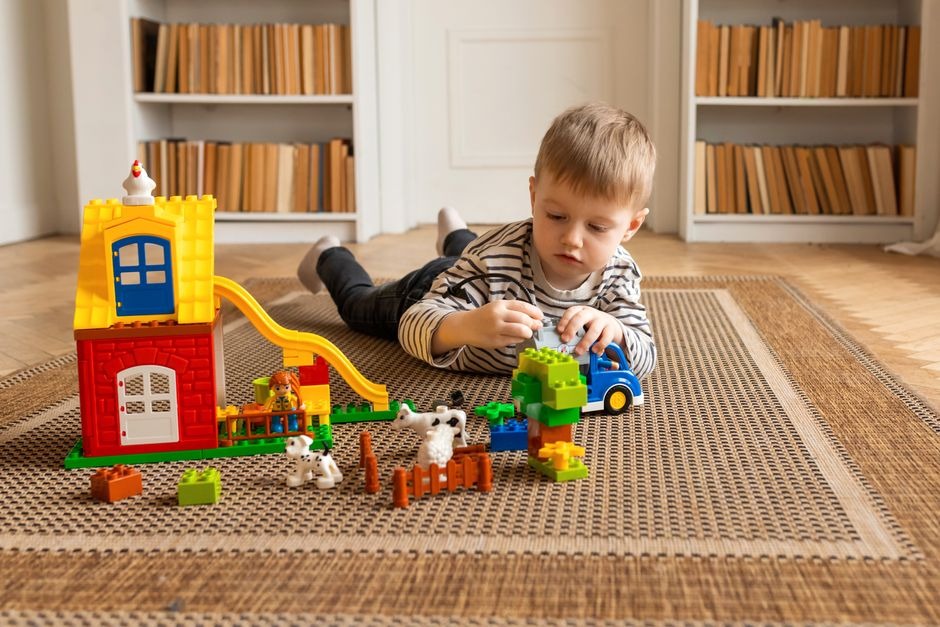
Progress is easier to sustain when practice fits naturally into familiar activities. Helping prepare snacks can develop coordination and sequencing. Building with blocks or drawing together can exercise hand control without turning the evening into another formal lesson.
For dressing difficulties, breaking clothing tasks into manageable steps can make practice less frustrating. Allow extra time and offer help with the difficult part while encouraging the child to complete a step they can manage.
Ask the therapist which activities are appropriate and how to adapt them safely. Small, enjoyable opportunities are often more practical than an ambitious home program that overwhelms the family.
Measure Progress in Meaningful Everyday Moments
Improvement rarely follows a perfectly straight line. A child may fasten a button independently one day and need help the next, particularly when tired or hurried. Look for patterns rather than treating every difficult moment as a setback.
Useful measures include how much assistance is needed, whether an activity causes less distress, and whether skills transfer to different settings. Share observations with the therapist and ask whether goals need adjusting as priorities change.
Children also deserve a voice in what counts as progress. Being able to join a game comfortably may matter more to them than perfect handwriting or completing a task quickly.
Build Confidence Without Demanding Perfection
Occupational therapy works best when children feel supported rather than constantly evaluated. Celebrate effort, offer reasonable choices, and make room for rest when tasks become overwhelming. A child may need more time, a different tool, or a changed environment, not simply more encouragement to try harder.
Keep conversations with therapists, teachers, and caregivers open so expectations remain realistic. If a strategy is not helping, revisit it instead of assuming the child is unwilling.
Everyday independence develops through many small experiences. The most valuable outcome is not a checklist of mastered tasks but a child who can participate more comfortably in the activities that matter to them.