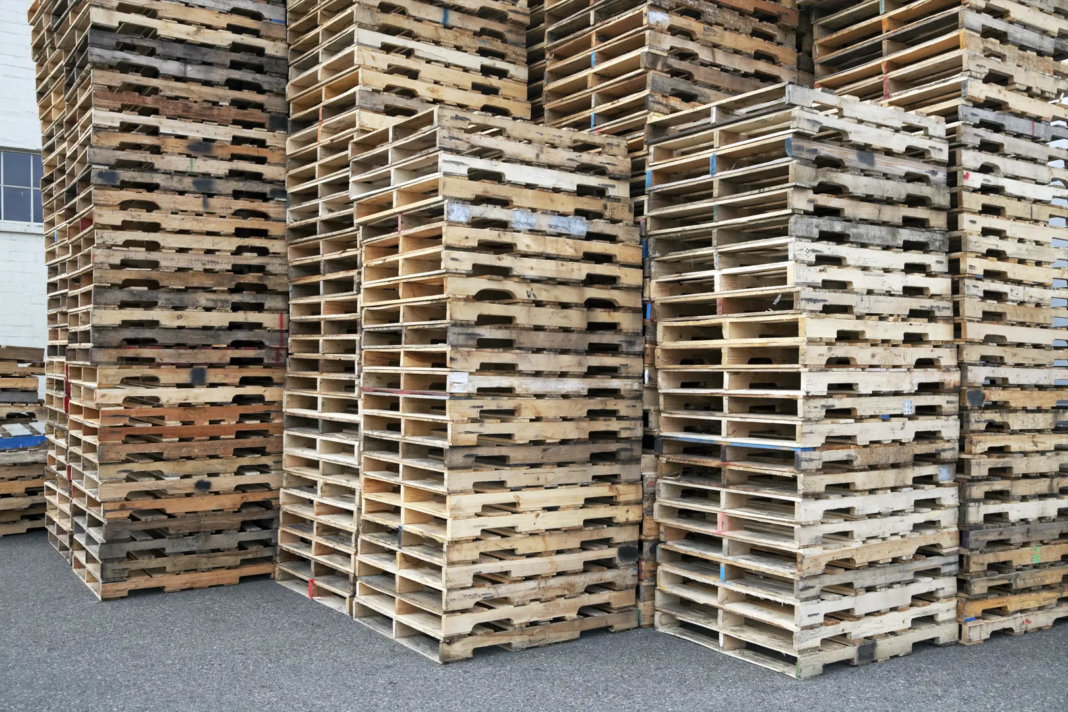
For businesses that move physical goods, used pallets accumulate quickly. Warehouses, distribution centers, manufacturers, and retailers regularly find themselves with more pallets than their operations require. Some are damaged beyond reuse. Others are structurally sound but no longer fit the storage or shipping specifications of the current operation. Either way, they take up floor space, create clutter, and represent a quiet operational cost when left unaddressed.
The decision to sell used pallets rather than dispose of them is increasingly common, but many businesses are uncertain about where legitimate buyers exist, how fast payment actually happens, and what buyers expect in terms of volume, condition, and pallet type. This article addresses those questions directly, identifying seven categories of buyers active in the US market and explaining what each one looks for, how transactions typically work, and what sellers should know before approaching them.
Understanding the Used Pallet Market Before You Approach a Buyer
The used pallet market in the United States is a functioning secondary market, not a salvage operation. Pallets made from wood, plastic, or composite materials retain real commercial value after their first use cycle, particularly when they remain structurally sound. Buyers in this market range from regional recyclers to large-scale brokers, and each operates with different purchase criteria, logistics arrangements, and payment timelines.
Before approaching any buyer, it helps to understand what drives demand. The primary reason used pallets sell at all is that they cost less than new ones. Businesses that need pallets for internal movement, short-distance shipping, or light-duty storage find used pallets practical and affordable. This creates a consistent downstream market that operates independently of the new pallet supply chain.
For businesses trying to determine where to sell used pallets, the answer depends heavily on pallet type, quantity, and condition. A seller with a large volume of clean, standard-size wooden pallets is in a stronger position than one offering a mixed lot of damaged or non-standard sizes. Buyers assess these variables before setting a price, and understanding that ahead of time prevents wasted time on both sides.
Pallet classification systems, such as those outlined by the National Wooden Pallet and Container Association, give sellers a common language for communicating condition grades to potential buyers. Knowing whether your inventory falls into Grade A, Grade B, or damaged territory helps set realistic expectations.
Why Volume and Consistency Matter to Most Buyers
Most legitimate buyers, particularly brokers and recyclers, are not interested in one-time pickups of a few dozen pallets. Their operations are built around consistent supply, and they prioritize sellers who can offer recurring volume. This does not mean small sellers have no options, but it does mean that approach matters. A seller who can commit to regular availability, even at modest quantities, is a more attractive partner than one offering a large single lot with no follow-through.
Consistency also affects pricing. Buyers who know they can count on a predictable supply from a single source are more likely to offer stable, repeatable pricing rather than fluctuating spot rates. For businesses looking to convert pallet disposal into a reliable revenue line rather than an occasional windfall, building a relationship with a buyer based on consistent volume is the more effective path.
Seven Legitimate Buyers for Used Pallets in the US
Each of the buyer categories below operates in the real market, pays for pallets, and maintains established processes for acquisition. They vary in terms of what they accept, how they handle logistics, and how quickly payment clears.
1. Pallet Recyclers and Refurbishers
Pallet recyclers operate facilities where used pallets are sorted, repaired, and resold. They buy in volume, accept mixed condition lots, and often handle pickup logistics. Payment timelines are generally short, particularly when sellers establish ongoing relationships. These buyers are typically the most accessible for businesses with consistent pallet output because they have the infrastructure to process large quantities without requiring the seller to pre-sort inventory extensively.
2. Regional Pallet Brokers
Pallet brokers act as intermediaries between sellers and end buyers. They do not always take physical possession of the pallets, but they coordinate transactions and often handle the logistics of moving product from the seller’s facility to a buyer’s location. For businesses with large quantities of a specific pallet type, brokers can move inventory faster than a direct sale to a single buyer because they have access to multiple purchasing contacts. Payment terms vary, but established brokers typically operate on net-30 or faster schedules for known sellers.
3. Pallet Management Companies
Pallet management companies offer a broader service that includes buying, tracking, and redistributing pallets across a client network. Unlike simple recyclers, they often work with businesses on an ongoing contract basis. The advantage for sellers is predictability. Rather than finding a new buyer each time pallets accumulate, the seller has a standing arrangement. This is particularly useful for manufacturers or distributors with regular outbound shipping operations that generate a consistent surplus. Knowing where to sell used pallets becomes less of a recurring question when a management company is involved, because the channel is already established.
4. Local Lumber and Wood Product Companies
Some regional lumber businesses and wood recycling operations buy used pallets, primarily for the raw wood material. This is most relevant for heavily damaged pallets that cannot be refurbished for reuse. The price per pallet in this category is lower, but it provides an outlet for inventory that other buyers would reject. Payment is typically immediate upon delivery or pickup, making this a fast-clearing option even if the per-unit return is modest.
5. Landscape and Mulch Suppliers
Wood from used pallets is a usable feedstock for mulch, compost, and wood chip products. Landscape supply companies and mulch processors in rural and suburban markets sometimes purchase damaged wooden pallets in bulk. This channel is not universally available, as it depends on geography and the specific materials accepted by the processor, but it is a legitimate buyer category that many sellers overlook. The value per pallet is low, but the acceptance criteria are among the least restrictive of any buyer type.
6. Small Manufacturers and Craftspeople
A smaller but real segment of the used pallet market consists of small manufacturers, furniture makers, and craftspeople who use reclaimed pallet wood as a building material. This buyer group typically purchases in smaller quantities, often through direct listing platforms or local classified networks. Payment is immediate and typically in full at the point of transaction. Volume limitations make this channel unsuitable for large operations, but for businesses with modest surplus and the time to manage individual transactions, it produces a fair return per unit.
7. Online Pallet Marketplaces and Listing Platforms
Several online platforms exist specifically for buying and selling used pallets, connecting sellers with buyers across the country. These platforms vary in their fee structure, logistics support, and buyer quality. The primary advantage is reach: a seller in a smaller market can connect with buyers in regions where pallet availability is tighter and prices are higher. The trade-off is transaction time. Listings require management, and shipping logistics can add complexity that direct sales to local buyers do not. For businesses with non-standard pallet types that local buyers do not want, national platforms often produce better results.
What Affects How Quickly You Get Paid
Payment speed in pallet sales is not purely a matter of buyer willingness. It depends on several operational factors that sellers can influence directly. Buyers who collect pallets rather than waiting for sellers to deliver them typically move faster, because the logistics are simpler. Sellers who can provide consistent information about pallet type, quantity, and condition upfront reduce the back-and-forth that delays transactions.
The Role of Pallet Condition in Transaction Speed
Buyers who need to assess condition before committing to a price add time to every transaction. Sellers who present clearly sorted, accurately described inventory remove that delay. Even basic sorting, separating repairable pallets from those that are only suitable for material recovery, reduces the time a buyer needs to inspect and price a lot. This is especially true for recyclers and refurbishers who process high volume and rely on sellers to do initial triage rather than handling it themselves on arrival.
Establishing Terms Before the First Pickup
The fastest-paying buyers are almost always the ones with clear, pre-agreed terms. This includes agreed pricing per unit or per lot, agreed pickup frequency, and a clear understanding of what condition grades are acceptable. Sellers who enter these agreements without negotiating terms up front often encounter disputes at the point of payment that slow things down. Taking the time to put terms in writing, even informally, protects both parties and keeps transactions moving without interruption.
Matching the Right Buyer to Your Specific Situation
Not every buyer type works for every seller. A distribution center generating several hundred pallets per week has different needs than a small manufacturer clearing out a one-time surplus. The right approach is to identify which buyer category aligns with your volume, pallet type, and operational tolerance for logistics complexity.
Businesses that need pallets removed quickly and consistently benefit most from pallet management companies and regional recyclers. Businesses with occasional surplus and non-standard inventory may find better results through brokers or online platforms. Sellers with damaged pallets that no refurbisher would accept should look toward wood recyclers, mulch suppliers, or lumber processors who value the raw material rather than the structural integrity.
Understanding where to sell used pallets is ultimately about matching supply characteristics to buyer needs. Sellers who approach this with clarity about what they have, how much they have, and how often it becomes available will consistently find better buyers, faster payment, and less operational disruption than those who approach the market without that preparation.
Closing Thoughts
Used pallets are not waste. They are a recoverable asset with an active market behind them, and businesses that treat them that way convert a disposal problem into a secondary revenue stream. The seven buyer categories outlined here represent real, operating channels in the US market, each with distinct requirements and payment structures.
The most effective sellers are not necessarily the ones with the most pallets. They are the ones who understand what they have, present it clearly, and match it to the right buyer. That combination consistently produces faster payments, fewer complications, and better long-term outcomes than approaching the market without context or preparation.
For businesses in regions where pallet turnover is high and buyer competition is active, the opportunity to move used pallets quickly and profitably is real. The infrastructure exists. What determines results is how well a seller understands and uses it.