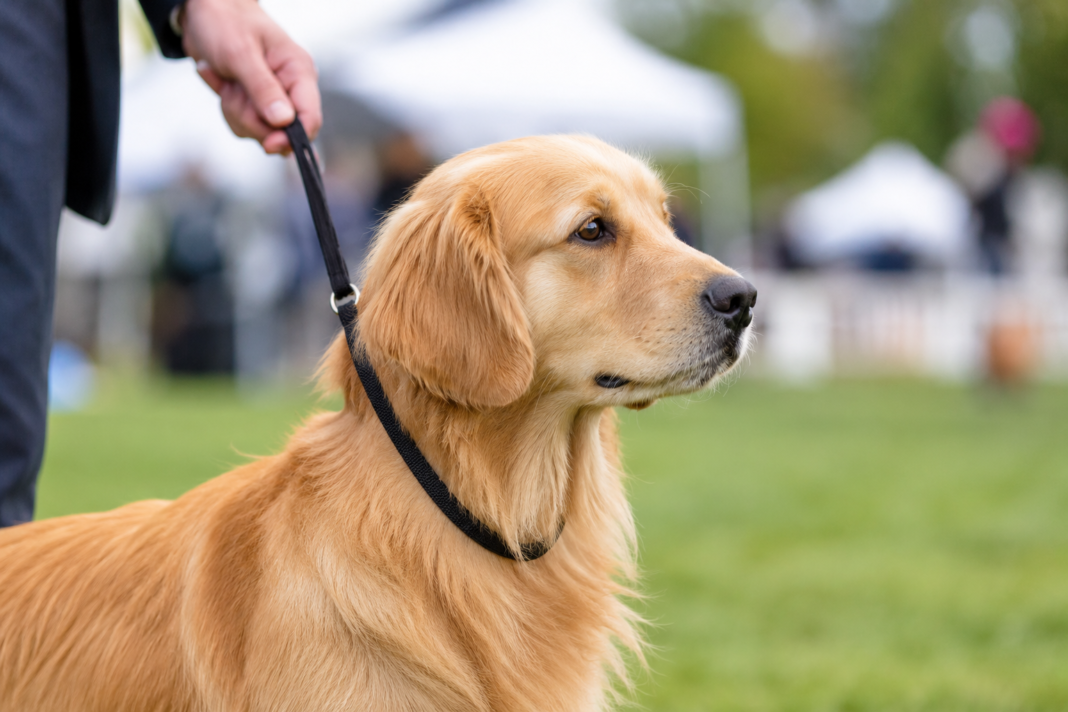
Choosing a collar for a show dog involves more than finding something that looks good in the ring. Handlers need equipment that allows them to guide their dogs while keeping the coat neat and maintaining a natural appearance. The material, construction, and fit can all affect how a collar performs during training and competition.
For dogs with long, fine, or heavily groomed coats, traditional metal chains may not always be the preferred option. Nylon offers a lighter alternative with a smooth surface and simple slip mechanism. When properly fitted and used with care, it can provide practical handling support without adding unnecessary bulk to the dog’s appearance.
Understanding the Mechanics of Nylon vs. Chain Slip Collars
Nylon slip collars use a loop of woven material that tightens when the lead is pulled and loosens when tension is released. Their lightweight construction makes them different from traditional metal chain collars, which rely on linked metal sections sliding through a ring.
The weight and movement of a metal chain may feel different in the handler’s hand compared with a nylon design. Some chains can also produce more noise during movement, which may be distracting for certain dogs. Nylon collars offer a quieter, lighter alternative that some handlers prefer for controlled training and show preparation.
The hardware also affects how smoothly a collar works. A well-made design should allow the nylon to move through its rings without unnecessary resistance. If the material catches, twists, or fails to loosen properly, the handler may have difficulty adjusting the lead.
Timing remains important regardless of the collar material. A handler should avoid keeping constant tension on the leash. When the dog responds to a cue, easing the pressure helps prevent unnecessary strain. The aim is to guide the dog with clear, controlled movements rather than relying on force.
Why a Soft Nylon Slip Collar May Be a Practical Choice for Coat Health
A dog’s coat can be affected by repeated friction, particularly around the neck where a collar moves during handling. This is worth considering for breeds with long hair, thick ruffs, or coats that require regular grooming.
Metal chains contain individual links that can sometimes catch loose hair, especially if the collar is poorly fitted or handled roughly. Depending on the dog’s coat and the chain’s construction, repeated friction may contribute to tangling or breakage. Some handlers therefore prefer softer materials when working with dogs whose neck coats need extra attention.
Woven nylon has a relatively smooth surface, and its flat construction can help reduce the chance of hair getting caught in open links. However, no collar material can guarantee that matting or breakage will never occur. Dirt, moisture, poor fit, and repeated rubbing can still affect coat condition.
For this reason, handlers should check the neck area regularly, especially after training sessions. Remove the collar when it is no longer needed, and make sure the material remains clean and free from rough edges or damaged hardware.
A collar should support the dog’s presentation without becoming another source of grooming problems. Choosing a suitable material is one part of that process, alongside regular coat care and gentle handling.
What Are the Best Handling Scenarios for Nylon Slip Collars?
Nylon slip collars can be useful in conformation preparation and selected obedience exercises where handlers want lightweight equipment that does not draw too much attention.
In the conformation ring, the dog’s outline, movement, and overall presentation are central to the judge’s evaluation. Bulky equipment can interrupt the visual line of the neck, so some handlers prefer a slim collar that sits neatly against the coat. Neutral colors such as black, brown, beige, and white can also make it easier to choose an option that blends with the dog’s coloring.
Outside conformation events, a slip collar may be used during supervised training when the handler understands how the mechanism works. Exercises involving heeling, position changes, and controlled movement require consistency and good timing. The collar should not replace proper training or positive reinforcement.
It is also important to check the equipment rules for each event. Requirements can differ between show organizations and training programs, so handlers should confirm that their chosen collar is permitted before entering a competition.
How to Properly Size and Fit a Slip Collar
Correct sizing helps keep a slip collar in the intended position and reduces the risk of excessive pressure. Before choosing a size, measure the dog’s neck and consider its head shape, coat thickness, and overall build.
Selecting the Right Length and Thickness
Use a soft measuring tape to measure around the upper part of the neck, just behind the ears and beneath the jaw. The collar should be able to pass over the dog’s head while sitting securely in its intended position when worn.
Avoid choosing a size with too much extra length. Excess slack can allow the collar to slide toward the shoulders, making it harder to maintain the intended position. A collar that is too short, on the other hand, may be difficult to put on or place unnecessary pressure around the neck.
Available lengths vary by manufacturer. Some options come in incremental sizes, allowing handlers to find a closer match for their dog’s measurements. Always check the product’s sizing guide rather than relying on breed alone.
Thickness is another consideration. A thinner cord may look more proportionate on a small breed, while a thicker option may be more suitable for a larger dog. The choice should account for the dog’s size, strength, and comfort. A collar should never be selected based only on how substantial or attractive it looks.
When comparing nylon slip dog collar options, consider the cord material, available sizes, and hardware construction. These details can help determine whether a particular design suits your dog’s coat and handling needs.
Best Practices for Safe Use
The way a slip collar is positioned affects how it tightens and releases. Before using one, make sure you understand the manufacturer’s instructions and how the rings are intended to sit. The collar should loosen when leash tension is released. If it twists, catches, or remains tight, stop and correct its position before continuing.
Slip collars are designed for active, supervised handling. They should not be left on an unattended dog or used to secure a dog to a fixed object. A loose ring or lead can catch on a crate, fence, or other nearby item and create a serious hazard.
Use gentle leash movements and avoid sudden jerks or sustained pressure. Watch the dog’s behavior throughout the session, and stop if the collar appears to cause discomfort. For dogs that pull strongly, have neck or breathing concerns, or are still learning basic leash skills, ask a qualified trainer or veterinarian about more appropriate equipment.
Frequently Asked Questions
Are nylon slip collars suitable for foundational obedience training?
They may be used in supervised training when the dog is comfortable with the equipment and the handler understands how to use it. Proper fit, gentle handling, and positive reinforcement remain important. A slip collar should not be used to force a dog into compliance.
Will a nylon slip collar cause matting on a long-haired breed?
Nylon’s smooth, woven surface may reduce some of the snagging associated with open-link chains. However, matting can still happen because of friction, moisture, dirt, or an incorrect fit. Regular grooming and checking the neck area after use are still necessary.
How do I maintain and clean a nylon dog show collar?
Check the manufacturer’s care instructions first. Many nylon collars can be cleaned by hand using mild soap and water. Rinse thoroughly and allow the collar to air dry completely before using it again. Inspect the rings, stitching, and material regularly for wear.
Conclusion
A nylon slip collar can be a practical option for handlers who want lightweight equipment and a simple design for controlled training and show preparation. Its smooth woven construction may help reduce snagging, while its understated appearance can complement a carefully groomed coat.
Still, the material alone does not determine how well a collar performs. Proper sizing, sound hardware, regular inspection, and responsible handling all contribute to the dog’s comfort and presentation. By considering these details before choosing equipment, handlers can find an option that supports their training routine without taking attention away from the dog.