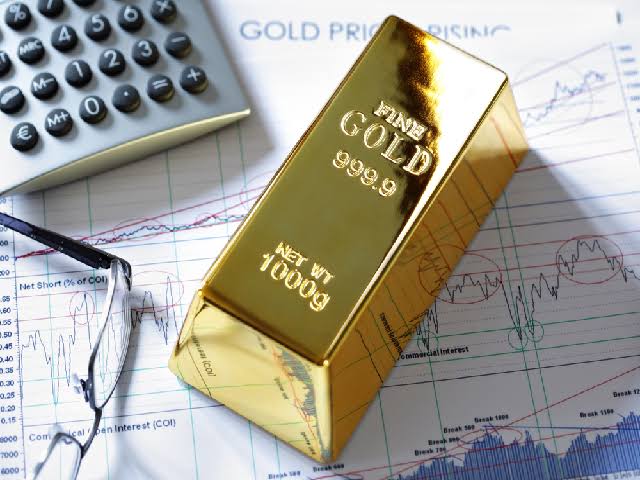
The spot price is a market reference for gold, not the final retail price of a coin or bar. Physical bullion must be refined, formed, tested, packaged, transported, stocked, and sold before it reaches an individual buyer.
The difference between spot and the retail price is generally called the premium. Its size changes with the product, dealer, order quantity, market conditions, and immediate availability.
Why Is the Spot Price Different From the Retail Price?
The spot price helps establish the metal value within bullion.
1. Spot Is a Market Benchmark
Spot reflects the current wholesale market for gold available for prompt settlement under established trading conditions.
It does not describe a specific retail coin or bar. Benchmark value must be separated from the final price of a physical product.
2. Bullion Requires Refined Gold
Raw material must be processed until it reaches the purity required for the intended bullion product.
Refining involves equipment, labor, quality controls, and material handling. Production begins before minting and contributes to the final cost.
3. Bars and Coins Must Be Produced
Refined gold is cast, minted, struck, cut, or pressed into a recognizable product with a stated weight and fineness.
Dies, machinery, labor, and production controls cost money. Fabrication expenses vary by product type, design, and manufacturing volume.
4. Purity Must Be Verified
Mints and refiners use testing and quality-control procedures to confirm weight and fineness.
Reliable specifications help buyers understand what they are purchasing. Verification costs are part of producing trusted physical bullion.
5. Packaging Adds Protection
Bullion may come in capsules, assay cards, tamper-evident packs, tubes, or presentation boxes.
Packaging protects surfaces and preserves identification details. Protective materials also add production and handling costs.
6. Distribution Has Several Stages
Bullion may move from a mint or refiner to distributors, wholesalers, dealers, and finally retail buyers.
Shipping, insurance, secure storage, and handling occur along the way. Distribution costs become part of the retail premium.
7. Dealers Need an Operating Margin
A dealer must cover staffing, security, insurance, payment processing, verification, premises, technology, and inventory risk.
The margin also supports buying and selling services. Dealer operations cannot normally be funded by the metal value alone.
What Factors Can Increase a Bullion Premium?
Premiums are not fixed. They can rise or fall even when the spot price moves very little.
Physical supply and buyer demand can affect the premium separately from changes in the underlying gold market.
- Smaller bars and coins usually cost more per ounce because production costs are spread across less gold.
- Government-minted coins may carry higher premiums because they are widely recognized and consistently specified.
- Limited dealer inventory can raise premiums when immediate buyer demand exceeds available physical supply.
- Popular products may command more because buyers expect easier verification and stronger resale demand.
- Special packaging, assay cards, certificates, capsules, and presentation materials can add to the price.
- Credit card and online payment costs may produce a higher total than cash, check, or bank transfer pricing.
- Insured shipping and secure delivery can increase the final amount paid for a remote purchase.
- Collectible features may add value beyond bullion content, especially for scarce, graded, or special-edition coins.
A low premium does not automatically make one product better. Buyers should also consider authenticity, seller reliability, product liquidity, and future resale options.
Why Do Premiums Differ Between Bullion Products?
Two products can contain the same amount of pure gold and still have different retail prices. Their size, format, brand, availability, and market demand may differ.
Product Size
A one-gram bar requires packaging, handling, and verification just as a larger bar does.
Those costs are divided across less metal. Smaller units therefore tend to carry a higher premium per ounce.
Coins Versus Bars
Coins often require detailed dies, repeated striking, finished edges, and protective capsules.
Bars may have simpler production, especially in larger sizes. Product format can influence both manufacturing costs and buyer demand.
Mint and Refiner Recognition
Products from familiar mints and refiners may be easier for buyers and dealers to identify.
Recognition can support liquidity and buyer confidence. Brand reputation may therefore affect both purchase premiums and resale offers.
Physical Supply and Demand
A surge in retail buying can exhaust available coins or bars even when wholesale gold remains available.
Premiums may rise until supply catches up. Product scarcity can exist without an equal increase in the spot price.
Resale Expectations
Buyers may pay more for bullion they believe will be easy to verify and resell later.
The guide to factors affecting gold bullion resale value explains why future marketability deserves attention at purchase.
Order Quantity
Dealers may offer lower per-unit premiums on larger purchases because some transaction costs are shared across the order.
Small orders can still suit a buyer’s budget. Volume pricing should be compared with storage, liquidity, and concentration needs.
Collectible Features
Proof finishes, low mintages, historical importance, grading, and special issues can add numismatic value.
That additional value may not track gold directly. Collector premiums require different research from ordinary bullion premiums.
How Does the Buy and Sell Spread Work?
The premium paid when buying is not always recovered when selling. A dealer’s retail selling price and buyback price usually differ.
This difference is often called the spread. It reflects handling, verification, resale risk, operating costs, and the margin needed to maintain a two-way market.
A recognized product in good condition may receive a stronger offer than an unfamiliar or difficult-to-verify item. However, no future buyback amount is guaranteed.
Purchase price and resale value are related but separate. Buyers should understand both sides before choosing a bullion product.
What Should You Compare Before Buying Gold Bullion?
Compare the complete transaction rather than focusing only on an advertised premium. A careful review can reveal differences hidden by product size, payment method, or delivery cost.
- Check the live spot reference and note the time it was recorded.
- Calculate the total price per troy ounce of actual gold.
- Compare premiums for the same product, size, mint, and condition.
- Include payment charges, shipping, insurance, taxes, and storage costs.
- Confirm the stated weight, fineness, manufacturer, and product type.
- Review packaging, assay details, serial numbers, and authentication features.
- Ask about the dealer’s buyback policy and how resale offers are calculated.
- Decide whether you are paying for bullion value, collectible value, or both.
Be cautious when a price is unusually low compared with both spot and normal market premiums. Verify the seller and product before sending payment.
Conclusion
Gold bullion costs more than spot because a finished bar or coin includes more than raw metal. Refining, minting, testing, packaging, distribution, dealer operations, product size, brand recognition, and current demand can all shape the premium. Compare the total price per ounce, not the premium by itself. Also review buyback terms, authenticity, and likely resale demand before choosing a product.