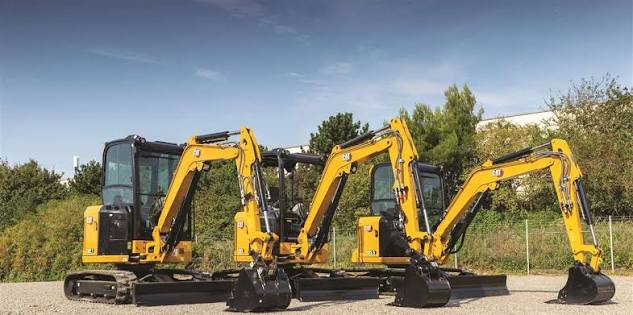
At some point in almost every construction or landscaping project, the question comes up: is it worth renting equipment, or should we make do with manual labor and smaller tools? For many job sites across the United States, that question has a clear answer when it comes to earthmoving. Mini excavators have become a standard piece of rented equipment on both residential and commercial sites — not because they are trendy, but because they solve a specific set of problems efficiently and without the capital commitment of ownership.
The practical challenge, however, is that renting a mini excavator is not a uniform process. What works for a homeowner digging a trench for drainage has different implications than what a general contractor needs when coordinating a commercial foundation pour on a tight schedule. The equipment category is the same, but the requirements, risks, and decision-making criteria are meaningfully different. Understanding those differences before you commit to a rental helps you avoid downtime, unexpected costs, and operational mismatch — problems that tend to compound once a project is already in motion.
What Renting a Mini Excavator Actually Involves
Mini excavators for rent are compact, hydraulic machines designed for digging, trenching, grading, and material handling in areas where full-size equipment cannot operate. They are typically tracked, capable of rotating the upper structure independently of the undercarriage, and equipped with interchangeable attachments that extend their usefulness across multiple task types. Their smaller footprint makes them appropriate for confined residential yards, interior demolition access points, and urban commercial lots where space is restricted.
Before committing to a rental, it helps to work through the specifics in advance. A well-structured Mini Excavators For Rent guide can walk you through the relevant variables — machine classes, attachment compatibility, site-specific considerations, and the rental terms that often go unread until something goes wrong. Most rental issues that arise mid-project are not equipment failures. They are the result of selecting the wrong class of machine for the job, underestimating ground conditions, or failing to account for how long certain tasks actually take on real terrain.
Rental agreements typically cover the machine itself, standard attachments agreed upon at the time of contract, and a defined period of use. Fuel, delivery logistics, operator qualifications, and site preparation are generally the renter’s responsibility unless otherwise negotiated. These terms matter more on commercial projects where multiple contractors are on-site simultaneously, but even residential renters benefit from reading them carefully.
Operator Requirements and Site Readiness
In the United States, operating a mini excavator does not universally require a formal license, but that does not mean experience is irrelevant. Many rental providers require the renter to demonstrate basic competency before releasing a machine, and some commercial insurance policies include clauses about who is authorized to operate heavy equipment on a job site. OSHA’s standards for excavation and trenching, outlined under 29 CFR 1926 Subpart P, establish legal requirements for any excavation exceeding certain depths — a factor that affects both residential and commercial operators, not just large contractors.
Site readiness is equally important. Underground utilities must be identified and marked before any digging begins. In the US, this is handled through the 811 call-before-you-dig system, which connects property owners and contractors with utility marking services at no cost. Skipping this step on a residential job can damage water, gas, or electrical lines. On a commercial site, it can halt an entire project and trigger regulatory consequences that extend well beyond the immediate repair cost.
Residential Applications: What to Expect on Smaller Jobs
Residential use of mini excavators for rent covers a wide range of tasks that homeowners and small contractors regularly encounter. The common thread across these applications is the need for precision in a limited space — typically a backyard, side yard, or area adjacent to a structure where a full-size machine would cause damage to landscaping, fencing, or existing hardscape.
Typical residential applications include:
• Digging trenches for irrigation systems, drainage lines, or electrical conduit runs where manual digging would take significantly longer and require more labor
• Removing stumps or tree roots after tree removal, which often involves subsurface root systems that hand tools cannot address efficiently
• Excavating for small retaining walls, garden features, or backyard pond installations where grade changes are necessary
• Breaking through hard or compacted soil before planting or landscaping work, particularly in regions where clay soil makes manual work impractical
• Clearing and grading small areas ahead of concrete pours for patios, sheds, or garage extensions
Rental Duration and Cost Management for Residential Projects
Residential renters tend to underestimate how long specific tasks take, which leads to either rushed work or unexpected extension fees. Digging a trench for an irrigation system may look straightforward on paper, but encountering rocks, roots, or unexpected grade changes can double the actual working time. Planning for a day or two of buffer time within the rental period is a reasonable approach, especially for first-time renters.
Daily rental rates for residential use are generally the most economical choice for single-day tasks, while weekly rates offer better value for projects that span several days but do not require the machine continuously. It is worth confirming with the rental provider whether weekend pickup is included in a Friday-to-Monday rental, as policies differ and a misstep here can result in extra charges that erode the cost benefit of renting in the first place.
Attachment Selection on Residential Sites
The standard bucket that comes with most rental units is adequate for general digging and soil removal. However, residential projects frequently benefit from auger attachments for post holes, thumb attachments for handling debris or rocks, and hydraulic breaker attachments for breaking through compacted caliche, hardpan, or old concrete. Not all rental providers stock every attachment, and requesting specialty attachments without advance notice can result in project delays.
Commercial Applications: Different Scale, Different Standards
On commercial job sites, mini excavators for rent serve a different function in the overall workflow. They are rarely the primary earthmoving machine on large projects, but they are frequently essential for secondary tasks that full-size equipment cannot perform without risk of damage or inefficiency. Utility trenching near existing structures, backfilling around foundations, and working inside partially completed buildings are areas where compact excavators fill a consistent operational role.
The defining difference between commercial and residential use is coordination. On a commercial site, the mini excavator is one of multiple machines operating on a schedule. Downtime caused by the wrong equipment class, mechanical issues, or operator unfamiliarity does not just slow down one task — it can create a cascading effect that pushes subsequent trades out of sequence. This is why commercial contractors approach mini excavator rentals with greater specificity about machine class, attachment needs, and delivery timing.
Coordinating Rentals Across Phases of a Commercial Project
Large commercial projects often require mini excavators at multiple stages — during site prep, during foundation work, during utility rough-in, and sometimes again during final grading. Rather than executing a single rental for the entire project duration, many contractors arrange sequential rentals aligned with each phase, reducing idle time and ensuring the right machine class is available when needed. This requires communication with the rental provider well in advance of each phase, particularly in markets where compact equipment inventory is limited during peak construction seasons.
Delivery and pickup logistics on commercial sites also require more planning than on residential properties. Site access, staging areas, and coordination with other deliveries need to be factored into the rental timeline. A machine that arrives when the site entry is blocked by another delivery or when the operator is occupied with a different task represents wasted rental time that cannot be recovered.
Insurance and Liability Considerations for Commercial Renters
Commercial renters carry a different level of liability exposure than residential users. Most general contractors maintain commercial general liability policies that cover equipment use on active job sites, but the specifics vary. Some rental agreements require the renter to add the rental company as an additional insured during the rental period, and failing to confirm this can create coverage gaps if an incident occurs. It is worth reviewing the rental agreement with whoever manages insurance on the project before the machine arrives on site.
Shared Considerations That Apply to Both Job Types
Despite the differences in scale and complexity, certain factors matter equally on residential and commercial projects when renting mini excavators. Ground conditions are the most universal variable. Wet or waterlogged soil can affect machine stability and may limit how aggressively operators can work without risking the machine sinking or the trench walls collapsing. Sloped terrain introduces additional stability concerns that the operator must account for regardless of project size.
Equipment condition at pickup or delivery is also universally important. Before accepting a rental unit, document any existing damage — hydraulic leaks, track wear, attachment mounting condition — and confirm that the rental provider has noted it. Returning a machine with pre-existing damage that was not documented can result in disputed charges that are difficult to resolve after the fact. This step takes only a few minutes and eliminates a common source of end-of-rental friction.
Finally, the choice between renting from a national chain and renting from a regional or local specialty provider affects not just pricing but also support. National chains offer wider availability and standardized processes, while regional providers often offer more flexibility on terms, faster delivery, and direct communication with someone who knows the equipment inventory well. For unusual job conditions or specialty attachments, local providers frequently have more practical options.
Conclusion
Renting a mini excavator is a straightforward decision in principle — and one that often makes clear operational sense compared to manual alternatives. The complexity lies in the execution: selecting the right machine class, preparing the site correctly, managing rental duration against actual project pace, and understanding the terms that govern liability and equipment condition. These are practical concerns, not abstract ones, and they apply whether the project is a homeowner’s backyard drainage trench or a contractor’s commercial utility installation.
The distinction between residential and commercial use is not just about project size. It is about the operational context surrounding the equipment — how it fits into a broader workflow, who is responsible for its use, and what the downstream consequences of a planning error might be. Approaching a rental with that understanding in place allows the equipment to do what it is designed to do: reduce the time and labor cost of earthmoving work without introducing new complications into an already complex project schedule.