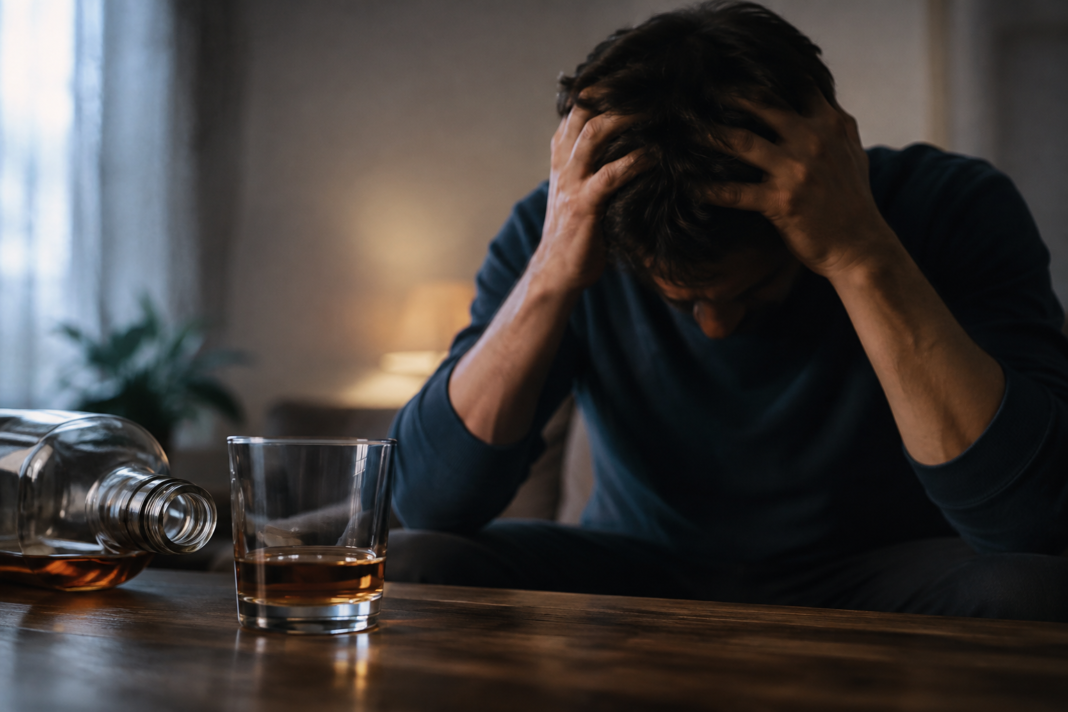
Stopping alcohol after a long period of heavy drinking is rarely as simple as just putting down the bottle. For many people, the body has quietly adapted to the constant presence of alcohol, and when that presence disappears, things can go wrong quickly. Understanding what withdrawal actually looks like, how long it lasts, and what kind of support exists can make a significant difference for anyone thinking about getting sober or helping someone who is.
This article covers the physiological reasons withdrawal happens, the full arc of symptoms from mild to severe, a realistic timeline of what to expect, and the evidence-based approaches that help people get through it safely. Whether you are doing research for yourself or for someone you care about, the information here is grounded in current clinical understanding.
Why Alcohol Withdrawal Happens at All
Alcohol is a central nervous system depressant. When someone drinks heavily over weeks, months, or years, the brain compensates by becoming more excitable at baseline. It essentially turns up its own stimulating activity to stay balanced against the constant sedating effect of alcohol. The moment alcohol is removed, that heightened excitability has nothing to push against. The nervous system goes into a kind of overdrive.
This is why withdrawal is not just discomfort. In some cases it becomes a medical emergency. The same neurological imbalance that causes tremors and anxiety in mild cases can escalate into seizures and a condition called delirium tremens in severe ones. Recognizing the difference between mild and life-threatening withdrawal is essential knowledge for anyone involved.
The Full Spectrum of Withdrawal Symptoms
Symptoms exist on a wide spectrum, and not everyone experiences the same severity. Several factors influence how intense withdrawal becomes, including how long someone has been drinking heavily, how much they typically consume, their overall physical health, and whether they have gone through withdrawal before. Prior withdrawal episodes can sensitize the nervous system, a phenomenon sometimes called kindling, which can make subsequent withdrawals worse.
Mild to Moderate Symptoms
- Anxiety and restlessness
- Headache and mild tremors in the hands
- Nausea, vomiting, and loss of appetite
- Excessive sweating, particularly at night
- Elevated heart rate and blood pressure
- Difficulty sleeping or staying asleep
- Irritability and mood changes
Severe Symptoms
- Grand mal seizures, typically occurring within 24 to 48 hours of the last drink
- Hallucinations (auditory, visual, or tactile) that can begin as early as 12 hours after stopping
- Delirium tremens (DTs), characterized by severe confusion, fever, rapid heart rate, and extreme agitation
- Hyperthermia and dangerous cardiovascular instability
Delirium tremens is the most dangerous complication. According to research published in the journal Alcohol and Alcoholism, the mortality rate for untreated delirium tremens can reach as high as 37 percent, while appropriate medical management brings that figure down to between 1 and 4 percent. This stark contrast is one of the strongest arguments for medically supervised detox over attempting to quit alone.
A Realistic Timeline of Alcohol Withdrawal
Withdrawal does not unfold the same way for every person, but there is a general trajectory that clinicians use as a reference. Knowing roughly what to expect at each phase helps people and their families stay prepared and alert to warning signs.
| Time After Last Drink | Typical Symptoms | Risk Level |
| 6 to 12 hours | Anxiety, headache, mild tremor, nausea, insomnia | Low to Moderate |
| 12 to 24 hours | Hallucinations may begin; symptoms intensify | Moderate |
| 24 to 48 hours | Peak risk window for seizures; sweating, elevated vitals | High |
| 48 to 72 hours | Delirium tremens can onset; confusion, fever, agitation | Very High |
| 72 hours to 1 week | Gradual resolution in most cases; fatigue, mood disturbance | Low to Moderate |
| 1 to 4 weeks | Post-acute symptoms: sleep disruption, cravings, anxiety | Low |
One thing worth understanding is that the 48 to 72 hour window is the most critical. Many people who attempt to detox at home feel stable in the first day, then deteriorate rapidly in the second or third day. This delayed escalation is one reason medical supervision during at least the first 72 hours is so strongly recommended by addiction medicine specialists.
Medical Approaches to Managing Withdrawal
Medical management of alcohol withdrawal has a strong evidence base. The primary pharmacological tools are benzodiazepines, which work by calming the overexcited nervous system in a way that prevents seizures and reduces overall symptom severity. Medications like diazepam, chlordiazepoxide, and lorazepam are the most commonly used, and clinicians typically taper the dose over several days rather than stopping abruptly.
Beyond benzodiazepines, several other medications play supporting roles. Thiamine (vitamin B1) supplementation is standard practice because heavy alcohol use depletes this nutrient, and the deficiency can cause Wernicke’s encephalopathy, a serious neurological condition. Anticonvulsants like carbamazepine are sometimes used as alternatives or supplements to benzodiazepines, particularly in milder cases. Beta-blockers may be added to manage cardiovascular symptoms like rapid heart rate. The specific regimen depends entirely on the individual’s history, current symptoms, and overall health status.
Some facilities use symptom-triggered protocols rather than fixed schedules. In these models, doses are administered based on ongoing assessment using standardized tools like the Clinical Institute Withdrawal Assessment for Alcohol (CIWA-Ar), which scores symptom severity and guides medication decisions in real time. Research consistently shows that symptom-triggered protocols reduce the total amount of medication needed while keeping patients safe.
What Comes After Detox: The Recovery Continuum
Completing detox is a genuine accomplishment, but it is only one part of a longer process. The body clears alcohol within a week in most cases, but the psychological and behavioral dimensions of alcohol use disorder take considerably more time and structured support to address. People who stop at detox without additional treatment have significantly higher relapse rates than those who continue into residential or outpatient programs.
Post-acute withdrawal syndrome, sometimes abbreviated as PAWS, is a frequently overlooked phase. After the acute symptoms resolve, many people experience weeks or even months of subtler symptoms: disturbed sleep, mood instability, difficulty concentrating, and strong cravings. These symptoms are physiological, not a sign of weakness, and they are one of the main triggers for relapse. Knowing that PAWS exists and that it fades with time and proper support helps people stay the course.
Treatment programs that combine medical detox with therapy, peer support, and structured aftercare tend to produce the best long-term outcomes. For anyone researching options in the San Francisco Bay Area, resources like www.siliconvalleyrecovery.com provide information about the kinds of integrated programs that address both the physical and psychological aspects of recovery.
Factors That Affect Withdrawal Severity
Not everyone who drinks heavily will have a severe withdrawal experience, but certain factors reliably increase the risk. Understanding these can help clinicians and individuals make more informed decisions about the level of care needed.
- Duration of heavy drinking: Years of daily heavy use creates deeper neurological adaptation than months of binge drinking.
- Average daily consumption: Higher quantities accelerate the degree of physical dependence.
- Previous withdrawal history: Each prior withdrawal episode can sensitize the nervous system, increasing risk of seizures in subsequent episodes.
- Co-occurring medical conditions: Liver disease, cardiovascular conditions, and malnutrition all raise risk.
- Age: Older adults tend to experience more severe withdrawal with a higher risk of complications.
- Concurrent substance use: Combining alcohol dependence with sedative or opioid use creates additional complexity during detox.
A thorough intake assessment at the start of any detox process should cover all of these factors. Clinicians use this information to decide whether inpatient or outpatient management is appropriate and what level of monitoring is needed throughout the process.
Why Quitting Alone Carries Real Risks
There is a widespread misconception that alcohol withdrawal is merely uncomfortable, the way quitting caffeine or cigarettes can be unpleasant. This misunderstanding leads some people to attempt unsupervised detox at home, which carries genuine danger for those with moderate to severe dependence. Unlike opioid withdrawal, which is rarely directly fatal, alcohol withdrawal can kill. Seizures can happen without warning. Delirium tremens can escalate within hours.
Even people who have successfully stopped drinking before should not assume the next attempt will go the same way. As mentioned earlier, the kindling effect means the nervous system can become increasingly reactive with each withdrawal episode. Someone who experienced only mild symptoms the first time may face seizures the second or third time.
This is not meant to discourage anyone from wanting to stop drinking. Quite the opposite. It is meant to underscore that the safest path to sobriety starts with proper medical evaluation, not a cold-turkey attempt made alone at home on a difficult week.
Alcohol withdrawal is one of the few substance withdrawal syndromes that requires consistent medical attention rather than just willpower and support. With the right clinical care during the acute phase, followed by evidence-based treatment for the underlying alcohol use disorder, the path to lasting sobriety is very much achievable. The science is clear, the resources exist, and people recover every single day.