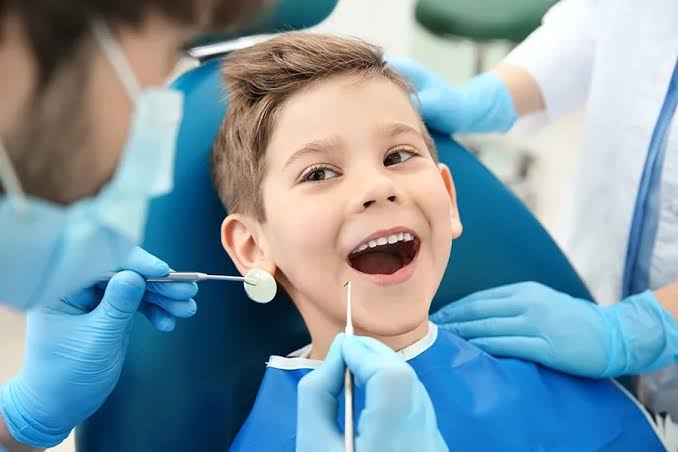
Parents often hear that prevention is the foundation of good oral health for kids, but turning that idea into practical steps can feel murky. At each checkup, a child’s mouth is changing: molars erupt, enamel matures, habits shift, and risk for cavities can rise or fall. A clear plan ties those changes to timely actions, like when to start bitewing X-rays, whether to apply fluoride varnish more often, when sealants belong on molars, and how to respond to early soft spots before they become full cavities. This article offers a concrete framework you can bring to your child’s next appointment so decisions feel informed rather than rushed.
- Translate cavity risk into at-home routines
Start by asking for a caries risk assessment, which factors in recent cavities, visible plaque, dietary patterns, saliva flow, and enamel quality. That risk level should directly guide at-home routines. For example, frequent snacking on crackers or fruit snacks fuels acid attacks longer than one dessert at mealtime, so reducing grazing can lower risk even if total sugar stays the same. If risk is moderate to high, most dentists recommend a pea-sized amount of fluoride toothpaste for ages 3 and up and a rice-sized smear for toddlers who cannot spit. Timing matters, too: brushing right before bed without a snack afterward protects enamel overnight when saliva is low. If your child takes syrupy medications at night, rinsing with water after dosing reduces how long sugars sit on molars.
For context on how prevention fits into routine care, see this overview of Denver Pediatric dentist general dentistry GENERAL DENTISTRY, then bring the questions below to your child’s checkup so recommendations match actual risk rather than a uniform plan for everyone.
- When X-rays, fluoride varnish, and sealants make sense
X-rays are not a calendar event; they are a risk-based tool. Bitewing X-rays detect cavities between molars where toothbrush bristles cannot reach. Low-risk children with tight contacts may need them less often, while kids with past decay or visible plaque may need them more frequently so small lesions are caught before they reach dentin. The trade-off is simple: judicious imaging exposes a child to a very small dose in exchange for finding hidden decay early, when noninvasive options still work. If your dentist suggests skipping images because spaces are open between teeth, ask when to reassess as those contacts tighten with eruption.
Fluoride varnish and sealants are complementary, not redundant. Varnish strengthens enamel across all surfaces, especially along the gumline and on the chewing pits of molars. Sealants are a thin resin layer placed into the grooves of permanent molars, usually soon after eruption, to block food and bacteria from settling. The relationship depends on timing: newly erupted molars have deep fissures that catch plaque and partial gum coverage, making them vulnerable; sealing early reduces the window for occlusal decay. A common failure point is delaying sealants until a visible cavity appears in the groove, at which point a filling becomes necessary. Ask your dentist to check for erupting first and second permanent molars and to explain when the tooth is clean and dry enough for a durable sealant.
- Managing early decay without the drill: what to weigh
Not every early cavity requires drilling. Silver diamine fluoride (SDF) can arrest many small or shallow lesions by stopping bacterial activity and hardening softened dentin. The major trade-off is cosmetic: treated areas turn dark, which is usually acceptable for back molars but may be a concern for front teeth. SDF often buys time for very young children until cooperation improves, or it can be part of a long-term plan for high-risk surfaces paired with frequent varnish and diet changes. If the dark color is unacceptable or the lesion progresses, a conservative composite resin filling may follow.
When decay is larger on a primary molar, a stainless steel crown can outlast a big filling because it covers all cusps and resists fracture. The decision relates to remaining tooth structure: thin walls around a wide cavity may crack under chewing forces, making a full coverage crown more predictable. If decay is near the nerve, your dentist may discuss a pulpotomy, where diseased tissue inside the crown portion of the tooth is removed and medicated before a crown is placed. A practical mistake is attempting multiple large fillings on baby molars that will be under chewing stress for years; each replacement removes more structure. Ask how the size and location of decay affect longevity so a single definitive treatment is chosen when appropriate.
- Spacing, eruption, and planning after early tooth loss
Orthodontic questions start earlier than many parents expect because spacing decisions follow eruption patterns. If a primary molar is lost early to decay or trauma, adjacent teeth can drift into the gap and steal room for the permanent successor. A band and loop space maintainer holds that space open until eruption, preventing crowding that could otherwise demand more complex treatment later. The relationship is straightforward: the earlier the loss and the longer the wait for the adult tooth, the more valuable space maintenance becomes.
Space maintainers require home care and follow-up. Food can pack around the band, so floss threaders and a small interdental brush help clean under the loop. The device can loosen if sticky foods tug on it or if the supporting molar erupts further, so periodic checks allow adjustments. If your child reports gum tenderness at the band edge, schedule an evaluation to prevent soft tissue irritation from turning into a sore spot that discourages brushing.
- Comfort and cooperation: setting kids up for successful visits
Behavior strategies and comfort options are part of preventive planning because children who tolerate care well receive timely sealants, varnish, and small fillings rather than waiting until problems worsen. Many offices use tell-show-do, distraction, and modeling to help kids predict what happens next. Practical scheduling choices, like morning appointments for younger children when patience is higher, can improve cooperation. Topical numbing gel, careful local anesthesia, and bite blocks help keep procedures painless and efficient.
Nitrous oxide is a common, focused aid for anxious patients. It acts quickly, wears off within minutes, and helps children accept injections or keep their mouths open long enough for a sealant or filling. The trade-off is that some children dislike the nasal mask or the sensation of tingling. If deeper sedation is discussed, ask about fasting instructions, monitoring, and what procedures will be completed in the same visit to minimize repeat appointments. Regardless of the approach, your goal is the same: create positive experiences so prevention happens on schedule.
Two real-world scenarios that connect choices to outcomes
Consider a 7-year-old who snacks through the afternoon and has sticky plaque along the molar grooves. A risk assessment labels them moderate risk. The plan might include bitewing X-rays every 12 months to watch between the back teeth, fluoride varnish at each recall, early sealants as first molars erupt, and a family rule to keep snacks to two set times with water in between. If a small groove lesion appears, SDF could halt it until cooperation improves enough for a quick sealant repair or small composite.
Now picture a 4-year-old who lost a lower baby molar to decay. Without a band and loop maintainer, the neighbor tooth tips forward, closing space for the adult premolar and crowding the canine. With the maintainer placed and cleaned carefully, the space is preserved. Regular checks confirm eruption so the device can be removed at the right time. In both cases, choices hinge on timing, habit changes, and matching treatment intensity to actual risk.
After each appointment, ask for a short written plan: home care targets, diet tweaks, when X-rays are due, which teeth need sealants next, and whether any watch areas require SDF, a filling, or just closer monitoring. Revisit that plan at the next recall and adjust as your child’s mouth changes. Prevention is not a single product or visit. It is a series of well-timed steps that, when aligned with risk, keep small problems from becoming big ones.