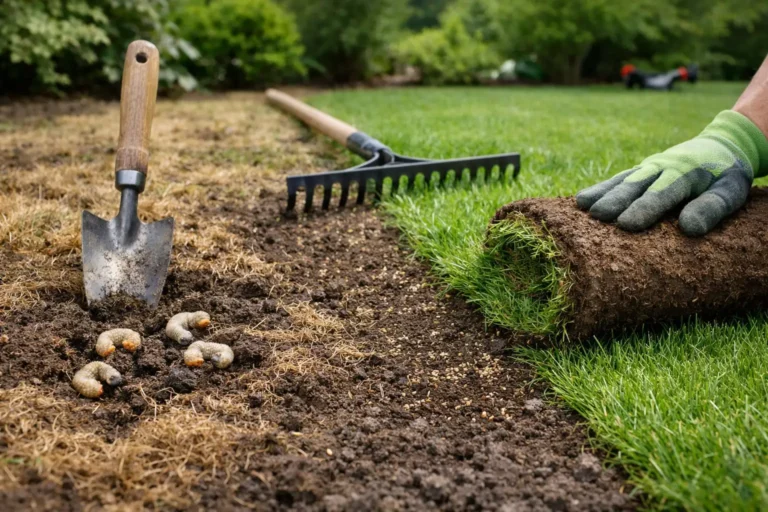
A healthy lawn rarely stays perfect throughout the growing season. Foot traffic, compacted soil, inconsistent watering, pet activity, pests, and changing weather can leave behind bare patches or thin, discolored grass. The difference between a lawn that recovers quickly and one that continues to deteriorate often comes down to how well the damage is diagnosed and repaired.
Building a reliable repair kit makes these jobs easier to manage without turning every small problem into a major landscaping project. The right lawn care tools help homeowners prepare the soil, distribute seed evenly, maintain moisture, and restore damaged areas with less unnecessary effort. More importantly, a well-planned kit encourages a systematic approach: identify the cause, correct the underlying problem, and then rebuild the turf.
1. Start by Identifying Why the Grass Has Deteriorated
Before gathering supplies, determine what caused the damage. A bare patch is a symptom, not a diagnosis, and applying seed without addressing the cause can lead to repeated failures.
Inspect the affected area for compacted soil, standing water, excessive shade, mower damage, pet urine, or signs of insects and disease. Check whether the surrounding grass is healthy or showing similar symptoms.
For example, a thin strip beside a frequently used garden gate may need a traffic-management solution as well as reseeding. A circular patch beneath a tree may require a more shade-tolerant grass variety and realistic expectations about how much sunlight reaches the ground.
Practical rule: Repair the cause before repairing the appearance. Otherwise, even carefully applied seed may struggle to establish.
2. Assemble the Essential Hand Tools for Preparing Damaged Turf
Soil preparation has a major influence on whether new grass establishes successfully. A compact collection of hand tools is usually sufficient for small residential repairs.
Include these essentials in your kit:
- Garden rake: Removes dead grass, loose debris, and surface thatch while helping level disturbed soil.
- Hand cultivator: Loosens the upper layer of compacted soil in small areas.
- Garden trowel: Helps remove weeds, inspect the soil, and prepare individual planting spots.
- Hand tamper or flat board: Gently firms the soil after seed application without creating an excessively compact surface.
- Gloves and a small collection bucket: Protect your hands and make debris removal more convenient.
Choose tools that are appropriately sized for the areas you maintain. A narrow hand cultivator works well around borders and isolated patches, while a sturdy rake is more useful for larger damaged sections.
Avoid digging deeply into established lawns unless the repair requires it. The goal is to create a suitable seedbed while minimizing disturbance to surrounding roots.
3. Choose Grass Seed and Soil Amendments Based on the Repair
Not every bare patch needs the same treatment. Grass varieties differ in their tolerance for shade, heat, cold, drought, and foot traffic. Selecting seed that matches the existing lawn and local growing conditions is essential.
For cool-season lawns, common choices include perennial ryegrass, tall fescue, and Kentucky bluegrass. Warm-season lawns may use bermudagrass, zoysiagrass, or other varieties suited to the region.
Keep these supplies in your repair kit:
- Grass seed compatible with the existing lawn and climate.
- A suitable topsoil or lawn-repair mix for shallow depressions.
- Compost, where appropriate, to improve soil structure.
- A clean container for measuring seed and amendments.
Read the seed label for recommended application rates, germination conditions, and coverage. Applying more seed than recommended can create overcrowded seedlings that compete for light, water, and nutrients.
If the soil is consistently poor or the same area repeatedly fails, consider a soil test before adding fertilizer or amendments. The USDA Natural Resources Conservation Service provides information about soil health and management principles that can help guide better decisions.
4. Add Watering Equipment That Supports Consistent Germination
New grass seed needs reliable moisture, particularly during germination and early root development. A repair kit should therefore include equipment that makes controlled watering easier.
A hose with an adjustable spray nozzle is often enough for small patches. A watering can with a fine rose can provide gentle coverage in tight spaces, while a sprinkler may be more practical when repairing several areas at once.
The important distinction is between moist soil and saturated soil. Water should reach the seedbed without washing seeds into piles, exposing them, or creating puddles.
Check the repaired area regularly rather than relying on a fixed watering schedule regardless of weather. Sunny, windy conditions can dry the surface quickly, while cool or rainy weather may reduce the need for additional water.
As seedlings develop, gradually adjust watering to encourage deeper root growth. Follow the grass variety’s requirements and local water restrictions.
5. Compare Repair Methods Before Choosing Your Supplies
The best repair method depends on the size of the damaged area, the condition of the soil, and whether living grass remains.
| Repair situation | Recommended approach | Useful supplies |
| Small, isolated bare patch | Loosen the surface and reseed | Hand cultivator, rake, seed, watering can |
| Thin grass with some living plants | Overseed after removing loose debris | Rake, compatible seed, sprinkler |
| Shallow depression | Add suitable topsoil, level, and reseed | Trowel, topsoil, rake, seed |
| Compacted high-traffic area | Address compaction before reseeding | Aeration tool, seed, watering equipment |
| Repeated damage beneath trees | Assess shade and choose suitable ground cover or grass | Light assessment, appropriate seed, hand tools |
For minor damage, hand tools generally provide enough control. Larger lawns with widespread compaction or thinning may benefit from a core aerator or powered equipment.
Core aeration removes small plugs of soil to improve air and water movement. It is not necessary for every bare patch, however, and should be performed when the grass is actively growing and conditions suit the particular turf species.
6. Follow a Repeatable Process for Repairing Bare Patches
A consistent repair routine reduces guesswork and helps prevent common mistakes.
Step 1: Remove dead material. Rake away loose grass, leaves, weeds, and debris. If disease is suspected, avoid spreading potentially contaminated material around the lawn.
Step 2: Prepare the surface. Loosen compacted soil gently and break up large clumps. Correct minor surface irregularities with an appropriate amount of topsoil.
Step 3: Apply seed evenly. Measure the affected area and follow the package’s recommended rate. Spread the seed in two light passes at right angles when practical to improve distribution.
Step 4: Make good seed-to-soil contact. Lightly rake the seed into the surface at the depth recommended for the variety. Press it gently into place without burying it too deeply.
Step 5: Water carefully. Apply a gentle spray to moisten the seedbed. Maintain appropriate moisture during germination, adjusting for rainfall and temperature.
Step 6: Protect the repair. Keep people, pets, and unnecessary foot traffic away while seedlings establish. Delay mowing until the new grass has reached the appropriate height and is sufficiently rooted.
Germination times vary considerably by species and conditions. Avoid judging success after only a few days; inspect progress over the period indicated on the seed label.
7. Include Safety and Maintenance Items for Long-Term Use
A useful lawn repair kit should be ready whenever damage appears. Store seeds and supplies in a dry location, away from direct sunlight and excessive heat. Keep seed in its original labeled packaging so the variety, application rate, and storage guidance remain available.
Add a few supporting items:
- A measuring tape for estimating repair areas.
- A small scoop for distributing seed and soil amendments.
- Eye protection when using powered lawn equipment.
- A cleaning brush for removing soil from tools.
- A notebook or simple record of repair dates, seed varieties, and results.
Clean tools after use, especially when working in areas affected by suspected disease. Inspect handles and metal edges periodically, and store sharp tools safely.
If your repair work includes mowing, trimming, or edging around the damaged area, use suitable equipment and follow the manufacturer’s safety instructions. Avoid cutting newly established grass prematurely simply to keep the lawn looking uniform.
8. Avoid the Mistakes That Cause Repeated Lawn Repairs
Several common shortcuts can undermine otherwise good repair work.
Overseeding without preparation: Seed scattered over hard soil or thick dead grass may never make adequate contact with the ground.
Ignoring drainage: Persistent puddles or constantly wet soil can prevent successful establishment. Correct the drainage problem before investing in more seed.
Applying fertilizer indiscriminately: Excessive fertilizer can damage seedlings, encourage uneven growth, or create unnecessary nutrient runoff. Use products according to their labels and soil-test recommendations.
Watering inconsistently: Allowing newly seeded soil to dry completely can interrupt germination, while excessive watering may displace seeds or deprive roots of oxygen.
Repairing at the wrong time: The best planting window depends on grass type and climate. Cool-season grasses commonly establish well during favorable spring or early-fall conditions, while warm-season grasses generally establish during warm weather when they are actively growing.
Expecting immediate results: A repaired patch may look different from the surrounding mature turf for several weeks or longer. Allow seedlings time to develop before deciding whether additional treatment is necessary.
9. Frequently Asked Questions About Lawn Repair Kits
What should a basic lawn repair kit contain?
A basic kit should include a garden rake, hand cultivator, trowel, compatible grass seed, a suitable soil amendment, a watering tool, gloves, and a way to measure the repair area.
Can bare patches be repaired without replacing the entire lawn?
Yes. Small or isolated patches can often be repaired by removing dead material, preparing the soil, applying suitable seed, and maintaining moisture. Widespread deterioration may require a broader renovation.
How long does it take for repaired grass to grow?
It depends on the grass variety, temperature, soil moisture, and seed quality. Some varieties germinate within several days, while others take several weeks. Visible germination does not mean the grass is ready for normal foot traffic or mowing.
Should I use topsoil or compost when repairing bare spots?
Use topsoil when you need to correct shallow depressions or create a suitable planting surface. Compost can help improve soil structure when appropriate, but neither material should be applied so heavily that it smothers existing grass or buries the seed too deeply.
When should I reseed a damaged lawn?
Choose a period when the selected grass variety can germinate and establish under favorable conditions. Consider local temperatures, rainfall, soil moisture, and the amount of time available before extreme heat or cold.
Build a Kit That Makes Lawn Recovery More Predictable
Effective lawn repair is less about owning a large collection of equipment and more about having the right supplies available when problems appear. A practical kit combines diagnostic habits, basic hand tools, suitable seed, soil preparation materials, and dependable watering equipment.
By matching the repair method to the cause of the damage, homeowners can address bare patches and thinning turf without unnecessary digging, chemical applications, or repeated reseeding. Over time, keeping simple records of what works can make each subsequent repair faster and more reliable.
The result is a lawn maintenance routine built around prevention and informed decisions—not just fixing visible damage after it occurs.