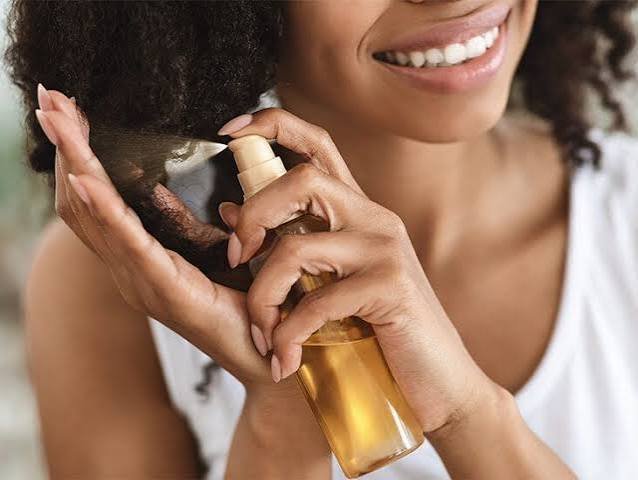
Long, thick, healthy-looking hair is something many people want, but maintaining strong hair often starts with taking care of the scalp. From dryness and excess oil to dandruff and breakage, scalp health can have a major influence on the appearance and condition of your hair.
Essential oils have become popular in natural hair-care routines because many contain aromatic plant compounds that may support a healthier scalp. Research is still limited for several oils, particularly when it comes to proving hair-growth effects in humans, but some essential oils have shown promising results in preliminary or clinical research.
If you’re looking to buy essential oils in USA, understanding which oils are commonly used for hair and scalp care can help you make a more informed choice.
What Makes Essential Oils Useful for Hair?
Essential oils are highly concentrated extracts obtained from plants. Depending on the oil, they may have cleansing, soothing, antimicrobial, antioxidant, or moisturizing properties.
For hair care, essential oils are generally used as part of a diluted scalp treatment rather than applied directly to the skin. Rosemary, peppermint, lavender, tea tree, cedarwood, and several other oils are commonly discussed in relation to scalp and hair health.
It’s important to remember that “supports healthy hair” and “proven to regrow hair” are not necessarily the same thing. Among essential oils, rosemary has some of the stronger human evidence, while several others have primarily animal, laboratory, or scalp-health research behind them.
11 Essential Oils to Consider for Hair Growth and Scalp Health
1. Rosemary Essential Oil
Rosemary essential oil is one of the most researched essential oils when it comes to hair growth. A randomized study involving people with hair loss compared rosemary oil with 2% minoxidil over six months and found an increase in hair count in both groups, although the study had limitations.
Beyond its potential growth-supporting properties, rosemary is also popular in scalp massage blends and hair-care formulations.
2. Peppermint Essential Oil
Peppermint essential oil is known for its refreshing aroma and cooling sensation, largely associated with menthol.
Research in mice has suggested that peppermint oil may influence hair follicles and hair-growth activity. However, these findings have not yet established the same effect in humans.
It can also be a useful ingredient in formulations designed to create a fresh, invigorating scalp-care experience.
3. Lavender Essential Oil
Lavender essential oil is widely used in aromatherapy and personal-care products. Preliminary research has explored its potential effect on hair growth, including animal studies that observed changes in hair-follicle activity.
Its soothing fragrance also makes lavender a popular choice for relaxing scalp-massage routines.
4. Cedarwood Essential Oil
Cedarwood is another essential oil commonly associated with hair and scalp care.
A small clinical study examined a blend containing cedarwood, rosemary, lavender, and thyme in people with alopecia areata. However, because the study evaluated a combination of oils, it does not establish cedarwood alone as a hair-growth treatment.
Cedarwood remains a popular ingredient in natural hair and scalp formulations.
5. Tea Tree Essential Oil
Tea tree essential oil is particularly interesting for scalp care because of its antimicrobial properties.
Research has examined tea tree oil in relation to dandruff and scalp symptoms rather than directly proving that it stimulates hair growth. Keeping the scalp clean and comfortable may nevertheless be an important part of a healthy hair-care routine.
6. Lemongrass Essential Oil
Lemongrass essential oil has a fresh citrus aroma and is often used in personal-care products.
Its antimicrobial properties make it an interesting ingredient for scalp-care formulations. However, evidence specifically demonstrating that lemongrass essential oil directly increases hair growth in humans remains limited.
7. Thyme Essential Oil
Thyme essential oil has traditionally been used in aromatherapy and natural personal-care products.
It was one of the oils included in the combination studied for alopecia areata, alongside rosemary, lavender, and cedarwood. Because the research involved a blend, more evidence is needed to determine the independent effect of thyme oil on hair growth.
8. Clary Sage Essential Oil
Clary sage has a distinctive herbal aroma and is frequently used in aromatherapy and personal-care formulations.
It is sometimes included in hair-care blends designed to support a balanced scalp and improve the overall feel and appearance of hair. However, there is currently limited direct human evidence showing that clary sage alone promotes hair growth.
9. Ylang-Ylang Essential Oil
Ylang-ylang is known for its rich floral fragrance and is commonly used in hair and beauty products.
It can be included in conditioning and scalp-care formulations, particularly where fragrance and a nourishing sensory experience are important. Direct evidence for hair-growth effects, however, remains limited.
10. Chamomile Essential Oil
Chamomile is widely associated with soothing and calming properties. In hair care, chamomile-based ingredients are commonly used in products designed for gentle scalp and hair care.
Its potential benefits are more closely associated with soothing and conditioning than with directly stimulating new hair growth.
11. Geranium Essential Oil
Geranium essential oil has a floral aroma and is used in skincare, aromatherapy, and hair-care products.
It is sometimes included in formulations intended to balance the scalp and condition the hair. Preliminary laboratory research has investigated geranium-related compounds and hair-follicle cells, but further research is needed before making firm claims about hair growth in people.
How to Use Essential Oils for Hair Care
Because essential oils are highly concentrated, applying them directly to the scalp is generally not recommended. They should be diluted in a suitable carrier oil before topical use.
Common carrier oils include:
- Jojoba oil
- Coconut oil
- Sweet almond oil
- Olive oil
- Argan oil
A small amount of diluted essential oil can be massaged gently into the scalp. Always follow the supplier’s recommended dilution instructions and perform a patch test before using a new essential oil.
People with sensitive skin, existing scalp conditions, or allergies should be particularly cautious and consider speaking with a healthcare professional before introducing essential oils into their routine.
Which Essential Oil Is Best for Hair Growth?
There isn’t one essential oil that can guarantee hair growth for everyone.
Current evidence gives rosemary some of the strongest human research among essential oils used specifically for hair growth. Peppermint and lavender have interesting preliminary findings, but much of the research is based on animals or laboratory models rather than large human clinical trials.
This is why it is better to think of essential oils as potential additions to a healthy scalp-care routine rather than guaranteed treatments for hair loss.
If you’re planning to buy essential oils in USA, look for suppliers that provide clear product information, appropriate packaging, consistent quality, and documentation where applicable.
Choosing the Right Essential Oil Supplier
The quality of an essential oil can matter just as much as the oil you choose. Businesses purchasing oils for hair-care products should consider factors such as sourcing, purity, batch consistency, packaging, available documentation, and order quantities.
This is particularly important for brands developing shampoos, scalp treatments, hair oils, conditioners, or private-label products.
Reliable essential oil suppliers in USA can make it easier for manufacturers, retailers, and personal-care brands to source oils consistently for their products.
Final Thoughts
Essential oils can be an interesting addition to a hair-care routine, particularly when the focus is on maintaining a healthy scalp and improving the overall condition of the hair.
Rosemary, peppermint, lavender, cedarwood, tea tree, lemongrass, thyme, clary sage, ylang-ylang, chamomile, and geranium are among the oils commonly explored for hair and scalp applications. However, the level of scientific evidence differs considerably between them.
For businesses looking for quality essential oils for hair-care formulations, personal-care products, or private-label collections, essential oil suppliers in USA can provide a convenient sourcing option.
One supplier to explore is Organic Aroma Oils, which offers essential oils for commercial and wholesale requirements, including options for businesses interested in developing their own product lines.
Add a safety disclaimer for essential oilsAdd a stronger wholesale supplier call to action