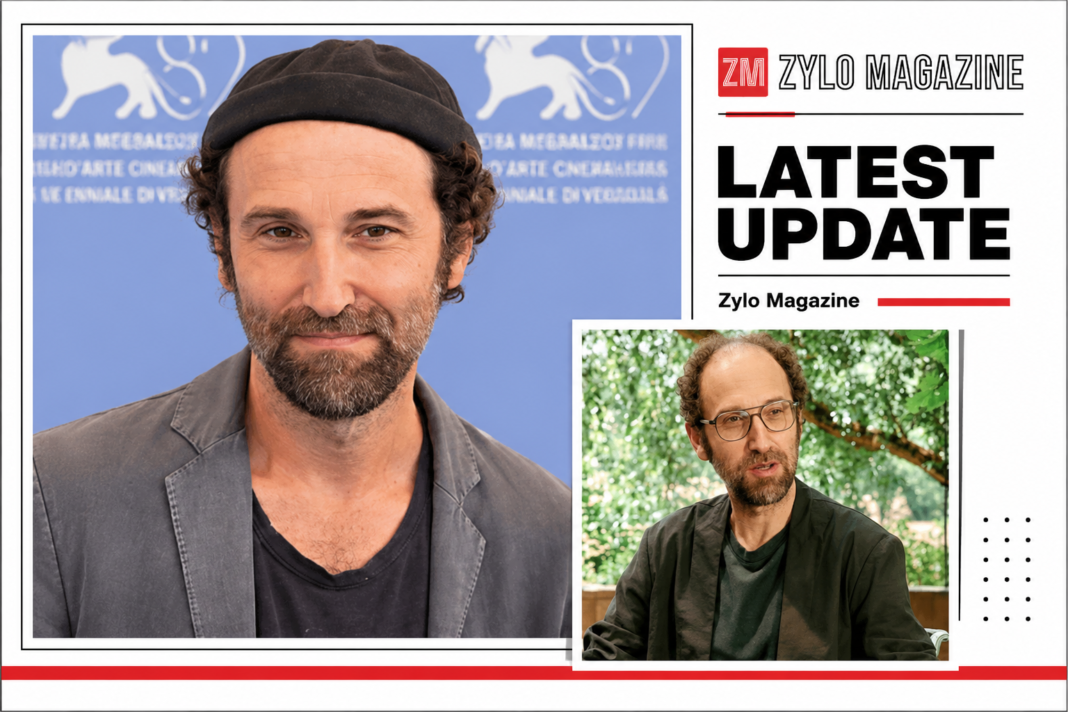
Thomas Bankalter, correctly spelled Thomas Bangalter, is one of the most influential musicians and producers in the history of electronic music. Best known as one-half of the legendary French electronic duo Daft Punk, Bangalter helped revolutionize dance music through groundbreaking production techniques, unforgettable melodies, and a distinctive futuristic identity. His work has influenced generations of DJs, producers, and artists worldwide.
However, his achievements extend far beyond Daft Punk. From his contributions to the French house movement and the iconic Stardust single “Music Sounds Better with You” to his orchestral compositions and ballet soundtracks, Bangalter has demonstrated remarkable musical versatility.
This comprehensive article explores Thomas Bangalter’s early life, musical career, Daft Punk’s success, solo projects, production techniques, personal life, and lasting influence. It also examines his creative journey after Daft Punk’s breakup and explains why he remains a significant figure in contemporary music.
Who Is Thomas Bankalter?
Thomas Bangalter is a French musician, composer, DJ, and record producer who achieved international fame as a founding member of Daft Punk.
Born on January 3, 1975, in Paris, France, Bangalter developed an interest in music at an early age. His musical background, combined with his curiosity about electronic instruments and production technology, eventually helped him establish a unique artistic identity.
Alongside fellow French musician Guy-Manuel de Homem-Christo, he formed Daft Punk in 1993. The duo became internationally recognized for combining house, disco, funk, techno, and pop into innovative electronic recordings.
Bangalter is also known for founding the independent record label Roulé and participating in the influential French house project Stardust.
Following Daft Punk’s separation in 2021, he expanded his work into orchestral composition, contemporary ballet, and experimental sound design.
Thomas Bangalter: Quick Facts
| Information | Details |
|---|---|
| Full name | Thomas Bangalter |
| Common misspelling | Thomas Bankalter |
| Date of birth | January 3, 1975 |
| Birthplace | Paris, France |
| Nationality | French |
| Age | 51 years old (2026) |
| Profession | Musician, composer, DJ, record producer |
| Famous for | Daft Punk |
| Musical genres | Electronic, house, French house, disco, classical |
| Former musical partner | Guy-Manuel de Homem-Christo |
| Record label | Roulé |
| Notable projects | Daft Punk, Stardust, Mythologies, Mirage |
Thomas Bangalter’s Early Life and Family Background
Thomas Bangalter was born into a family with strong connections to music and artistic performance.
His father, Daniel Vangarde, was an established songwriter and record producer who worked on popular disco and dance recordings. His mother was a dancer, providing Bangalter with early exposure to movement, performance, and musical expression.
Growing up in Paris, Bangalter encountered a wide variety of musical influences. His childhood environment included classical music, popular dance recordings, and the technical aspects of music production.
He began studying piano at a young age, developing an understanding of melody, harmony, and musical structure.
These experiences later influenced his ability to combine traditional musical principles with modern electronic technology.
How His Family Influenced His Career
Bangalter’s father’s experience in the recording industry gave him early exposure to professional music production.
Rather than viewing music exclusively as live performance, he became familiar with recording, arrangement, and studio experimentation.
His mother’s involvement in dance also contributed to his understanding of rhythm and movement.
This combination helps explain why his later work frequently connected music with visual performance, choreography, and cinematic storytelling.
His orchestral ballet projects after Daft Punk demonstrate how these early influences continued shaping his artistic development.
How Thomas Bangalter Met Guy-Manuel de Homem-Christo
One of the most important moments in Bangalter’s career occurred when he met Guy-Manuel de Homem-Christo at school in Paris in 1987.
The two teenagers shared an enthusiasm for music and eventually began experimenting with songwriting and performance.
Their first notable musical project was a guitar-based band called Darlin’, which also included Laurent Brancowitz.
Brancowitz later became a member of the successful French indie rock band Phoenix.
Darlin’ did not achieve significant commercial success, but the experience helped Bangalter and de Homem-Christo develop their creative partnership.
A negative music review described their work using the phrase “daft punk,” which later inspired the name of their electronic project.
Instead of continuing with guitar-driven rock, Bangalter and de Homem-Christo became increasingly interested in synthesizers, drum machines, and electronic dance music.
This transition ultimately led to the formation of Daft Punk.
The Formation of Daft Punk in 1993
Daft Punk officially emerged in Paris in 1993.
At the time, electronic dance music was developing rapidly across Europe, particularly through house and techno scenes.
Bangalter and de Homem-Christo drew inspiration from Chicago house, Detroit techno, disco, funk, and other forms of rhythmic popular music.
However, they were not interested in simply copying existing electronic styles.
Their goal was to develop music that combined underground dance culture with memorable melodies and innovative production techniques.
What Made Daft Punk Different?
Daft Punk distinguished themselves through several characteristics.
First, they emphasized repetition and groove rather than relying entirely on traditional pop songwriting.
Second, they transformed samples and electronic sounds into distinctive musical compositions.
Third, they treated visual presentation as an essential part of their artistic identity.
Finally, they consistently changed their musical approach rather than repeating the same formula.
These qualities helped Daft Punk become one of the most influential electronic music acts of their generation.
Homework (1997): Daft Punk’s Breakthrough Album
Daft Punk released their debut studio album, Homework, in January 1997.
The album established Bangalter and de Homem-Christo as important figures in electronic dance music.
Unlike conventional pop albums, Homework emphasized extended grooves, repetitive rhythms, and experimental electronic textures.
Its sound reflected underground house music while introducing an original approach to arrangement and production.
Famous Songs From Homework
Some of the album’s most recognizable tracks include:
- Da Funk
- Around the World
- Revolution 909
- Burnin’
- Alive
“Around the World” became particularly successful because of its memorable bass line, repeated vocal phrase, and distinctive rhythmic arrangement.
“Da Funk” demonstrated the duo’s ability to combine distorted synthesizers with powerful dance grooves.
Why Homework Was Important
Homework helped introduce French house music to a broader international audience.
The album showed that electronic music could achieve commercial success without abandoning the creative characteristics of underground dance culture.
It also influenced producers who wanted to create compelling music using relatively simple arrangements.
One of the album’s most important lessons is that musical complexity does not always require numerous instruments.
A memorable bass line, carefully arranged percussion, and subtle changes in sound can produce a powerful listening experience.
Discovery (2001): The Album That Transformed Daft Punk
In March 2001, Daft Punk released their second studio album, Discovery.
The album represented a major change from the raw house sound of Homework.
Instead of focusing primarily on underground club music, Discovery incorporated melodic pop, disco, funk, synthesizer-driven arrangements, and emotionally expressive songwriting.
It became one of the duo’s most celebrated recordings.
Most Popular Songs From Discovery
The album includes several internationally recognized tracks:
- One More Time
- Digital Love
- Harder, Better, Faster, Stronger
- Aerodynamic
- Something About Us
- Face to Face
“One More Time” became a defining electronic dance anthem, combining uplifting melodies with processed vocals.
“Digital Love” explored nostalgic emotions through melodic synthesizers and carefully selected samples.
“Harder, Better, Faster, Stronger” demonstrated innovative rhythmic vocal manipulation.
The Emotional Side of Electronic Music
One of Discovery’s greatest achievements was demonstrating that electronic music could communicate complex emotions.
The album combined mechanical precision with warmth, nostalgia, excitement, and vulnerability.
Songs such as “Something About Us” showed that electronic instruments could create intimate musical experiences.
This approach influenced later generations of electronic producers who wanted their music to communicate more than energy on the dance floor.
Discovery and Interstella 5555
Discovery also became closely associated with the animated musical film Interstella 5555, released in 2003.
The film used Daft Punk’s music to tell a science-fiction story without conventional spoken dialogue.
Its visual style drew inspiration from Japanese animation.
The project demonstrated Bangalter’s interest in connecting music with larger artistic narratives.
It also reinforced Daft Punk’s identity as musicians who considered visual presentation an important part of the listening experience.
Why Did Daft Punk Wear Robot Helmets?
One of Daft Punk’s most recognizable characteristics was their robot identity.
Bangalter and de Homem-Christo began appearing publicly as robotic characters around the release of Discovery.
Their helmets became internationally recognizable symbols of electronic music.
However, the decision was more meaningful than a simple marketing strategy.
The Meaning Behind the Robot Identity
The helmets allowed Daft Punk to separate their personal lives from their public artistic image.
Rather than emphasizing celebrity personalities, they directed attention toward the music and the fictional world surrounding it.
The robot characters also reflected their interest in the relationship between humanity and technology.
This theme appeared repeatedly throughout their music, artwork, films, and live performances.
How the Helmets Strengthened Their Brand
The visual identity gave Daft Punk a distinctive presence in an increasingly competitive music industry.
Fans could recognize the duo immediately without seeing their faces.
The helmets also created consistency across album covers, music videos, promotional materials, and stage performances.
For modern musicians, Daft Punk provides an important example of how a coherent visual identity can strengthen an artistic project.
However, their success also demonstrates that memorable branding works best when supported by distinctive music.
Human After All (2005): Exploring Technology and Repetition
Daft Punk released their third studio album, Human After All, in March 2005.
The album featured a more repetitive, mechanical, and aggressive sound than Discovery.
Its production emphasized distorted synthesizers, repetitive guitar-like textures, and minimal arrangements.
Notable songs include “Robot Rock,” “Technologic,” and “The Prime Time of Your Life.”
The album initially received mixed critical reactions.
Some listeners considered its arrangements overly repetitive, while others appreciated its experimental approach.
Why Human After All Matters
Human After All explored the relationship between technology, mass media, and human identity.
Its deliberately mechanical sound reflected these themes.
Although it was not universally praised upon release, the album’s material became important during Daft Punk’s later live performances.
The duo demonstrated how recordings that appear minimal in isolation can become powerful when combined with other musical elements.
Alive 2007: Reinventing Electronic Live Performance
Daft Punk’s 2006–2007 tour became one of the most influential live productions in electronic music.
The duo performed inside a large illuminated pyramid surrounded by synchronized lighting and visual effects.
Rather than simply playing their songs in sequence, they combined material from different albums into new arrangements.
This approach created a continuous musical experience.
What Made Alive 2007 Special?
The performances incorporated recognizable melodies, rhythmic patterns, and vocal phrases from multiple Daft Punk recordings.
Songs were reconstructed through transitions and combinations that created new musical relationships.
The stage production also connected lighting, sound, and visual design.
The resulting performances helped establish new expectations for large-scale electronic concerts.
The live album Alive 2007 won a Grammy Award for Best Electronic/Dance Album.
For electronic performers, the project remains an important example of how live shows can transform existing recordings into something new.
Random Access Memories (2013): Daft Punk’s Greatest Commercial Triumph
In May 2013, Daft Punk released their fourth and final studio album, Random Access Memories.
The album represented another major artistic transformation.
After years of electronic experimentation, Bangalter and de Homem-Christo emphasized live musicianship, traditional recording techniques, and influences from 1970s and 1980s popular music.
The project featured collaborations with several prominent musicians.
These included Nile Rodgers, Pharrell Williams, Giorgio Moroder, Julian Casablancas, and Paul Williams.
Get Lucky: A Global Hit
“Get Lucky” became one of the most successful songs associated with Daft Punk.
The recording featured vocals by Pharrell Williams and guitar by Nile Rodgers.
Its rhythmic guitar playing, memorable melody, and polished production helped it achieve worldwide popularity.
The song demonstrated how electronic producers could collaborate with live musicians to create music that appealed across generations.
Other Important Tracks
Random Access Memories also featured:
- Giorgio by Moroder
- Instant Crush
- Lose Yourself to Dance
- Touch
- Doin’ It Right
- Contact
These recordings explored disco, progressive pop, electronic experimentation, and cinematic musical structures.
Grammy Awards and Recognition
Random Access Memories received major recognition at the 2014 Grammy Awards.
It won Album of the Year and Best Dance/Electronica Album.
“Get Lucky” also won Record of the Year and Best Pop Duo/Group Performance.
These achievements established Daft Punk as major figures not only in electronic music but also in mainstream popular culture.
Thomas Bangalter’s Solo Career
Although Bangalter became internationally famous through Daft Punk, he also developed an independent career.
His solo recordings frequently explored house music through direct, rhythm-focused arrangements.
He released music under his own name and participated in collaborations outside Daft Punk.
These projects gave him opportunities to experiment without the expectations associated with the duo.
The Roulé Record Label
Bangalter founded Roulé during the 1990s.
The independent label became associated with the French house movement.
Its releases featured filtered samples, energetic rhythms, and club-oriented production.
Bangalter’s notable solo recordings include “Spinal Scratch,” “Club Soda,” and the Trax on da Rocks releases.
These tracks helped establish his reputation as an innovative producer beyond Daft Punk.
Why Roulé Was Important
Roulé provided creative independence.
It allowed Bangalter to explore musical ideas that did not necessarily belong within Daft Punk’s broader artistic direction.
The label also contributed to the development of French house music.
For independent producers, Roulé demonstrates the potential value of maintaining creative control over releases and experimenting through smaller projects.
Stardust and Music Sounds Better With You
One of Bangalter’s most important collaborations outside Daft Punk was Stardust.
The project brought together Thomas Bangalter, Alan Braxe, and Benjamin Diamond.
In 1998, Stardust released the single Music Sounds Better with You.
The recording became one of the defining songs of French house music.
What Made the Song Special?
The song incorporated a guitar sample from Chaka Khan’s “Fate.”
The musicians transformed the sample into a repetitive dance groove supported by drums, bass, and Benjamin Diamond’s vocals.
Its arrangement was relatively simple but extremely effective.
The song demonstrated how careful sampling and rhythmic production could create a distinctive musical identity.
Why Stardust Did Not Release an Album
Despite the single’s success, Stardust remained a short-lived project.
The musicians chose not to develop the collaboration into a conventional long-term group.
As a result, “Music Sounds Better with You” retained its identity as a standalone recording.
The decision also illustrates an important creative principle: commercial success does not necessarily require repeating the same artistic formula.
Thomas Bangalter’s Film Soundtracks
Bangalter’s musical career has also included important contributions to cinema.
His work in film demonstrates his ability to use sound to create atmosphere, emotional tension, and narrative meaning.
Irréversible (2002)
Bangalter composed music for the controversial French film Irréversible, directed by Gaspar Noé.
The soundtrack used aggressive electronic textures, repetitive rhythms, and unsettling low-frequency sounds.
Rather than functioning as conventional background music, the compositions contributed directly to the film’s disturbing atmosphere.
The project demonstrated Bangalter’s ability to approach music as a psychological and cinematic tool.
Tron: Legacy (2010)
Daft Punk composed the soundtrack for Disney’s science-fiction film Tron: Legacy.
The score combined orchestral instruments with synthesizers and electronic production.
Its sound reflected the film’s futuristic digital environment.
The project was particularly significant because it demonstrated the duo’s ability to work with large-scale orchestral arrangements.
It also anticipated Bangalter’s later interest in classical composition.
Other Film Collaborations
Bangalter has contributed to additional cinematic projects, including work associated with French filmmaker Quentin Dupieux.
His involvement in cinema reflects a broader artistic interest in connecting sound with visual storytelling.
Why Did Daft Punk Break Up in 2021?
On February 22, 2021, Daft Punk announced their separation through a video titled Epilogue.
The announcement ended a musical partnership that had lasted nearly three decades.
The video used imagery from the duo’s film Electroma.
Although the announcement surprised fans, the musicians did not provide a single definitive public explanation for their decision.
Various theories circulated online, but speculation about personal disagreements should not be treated as confirmed information.
Did Thomas Bangalter Retire From Music?
No.
Daft Punk’s breakup did not mark Bangalter’s retirement.
Instead, he began focusing more visibly on independent composition and collaborations in contemporary performance.
His subsequent projects demonstrated an interest in orchestral music, ballet, and experimental sound design.
The separation therefore represented a change in artistic direction rather than the end of his musical career.
Mythologies (2023): Thomas Bangalter’s Classical Music Transformation
In April 2023, Bangalter released Mythologies, an orchestral album created for a ballet choreographed by Angelin Preljocaj.
The ballet premiered in 2022, while the recorded score was released the following year.
The project represented a significant departure from the electronic dance music that had made Bangalter famous.
Instead of relying primarily on drum machines and synthesizers, he composed music for an orchestra.
What Is Mythologies About?
Mythologies explores themes connected to human behavior, mythology, and contemporary society through dance and orchestral music.
The composition uses instrumental textures, rhythmic development, and dramatic contrasts.
Its musical language differs considerably from Daft Punk’s familiar dance-oriented sound.
However, Bangalter’s interest in repetition, structure, and emotional development remains recognizable.
Why Mythologies Was a Major Career Milestone
The project demonstrated Bangalter’s ability to work outside electronic music.
It also revealed the importance of his early classical training.
For listeners, Mythologies offers a different perspective on his musical imagination.
For aspiring composers, it demonstrates that skills developed in one genre can support creative exploration in another.
Chiroptera and Bangalter’s Contemporary Dance Projects
After Mythologies, Bangalter continued collaborating with choreographers and visual artists.
One notable project was Chiroptera, created with artist JR and choreographer Damien Jalet.
The performance took place at the Palais Garnier in Paris in November 2023.
It involved a large group of dancers and transformed the exterior of the opera house into a performance environment.
Bangalter’s music contributed to the relationship between movement, architecture, and visual storytelling.
Recordings associated with the project were released in 2024.
Chiroptera reinforced his growing reputation as a composer interested in multidisciplinary performance.
Rather than focusing exclusively on conventional albums, Bangalter increasingly explored music designed to interact with physical spaces and choreographed movement.
Mirage (2026): A Return to Experimental Electronic Composition
Bangalter’s artistic evolution continued with Mirage – Ballet for 16 Dancers.
The project was developed in collaboration with choreographer Damien Jalet and visual artist Kōhei Nawa.
The ballet premiered in Geneva in 2025.
Its accompanying album was released in June 2026 through Warner Classics.
What Makes Mirage Different?
Unlike Mythologies, which emphasized orchestral composition, Mirage returned to electronic sound.
However, its musical approach differed from the dance-focused production associated with Daft Punk.
The score explored atmospheric textures, experimental electronic sounds, and gradual musical transformation.
Its approximately 50-minute structure was designed to support the ballet’s movement and visual environment.
Why Mirage Matters
Mirage demonstrates that Bangalter has not abandoned electronic music.
Instead, he is exploring new contexts for electronic composition.
His work shows that synthesizers and electronic production can support contemporary dance, experimental performance, and abstract musical storytelling.
The project also highlights an important distinction between returning to electronic instruments and returning to Daft Punk’s musical identity.
Bangalter continues using technology while pursuing different artistic objectives.
Thomas Bangalter’s Music Production Techniques
Bangalter’s influence extends beyond individual songs.
His production methods have helped shape the sound of modern electronic music.
Understanding these techniques provides valuable insights for aspiring musicians and producers.
1. Creative Sampling
Sampling is an important characteristic of French house music.
It involves incorporating selected portions of existing recordings into new compositions.
Bangalter frequently used samples as foundations for new rhythmic and melodic arrangements.
However, successful sampling involves more than repeating an existing recording.
Producers must consider timing, pitch, harmony, filtering, and musical context.
A carefully transformed sample can become part of a distinctive composition.
Commercial releases also require attention to copyright permissions and sample clearance.
2. Filter Automation
Filter automation is another recognizable feature of French house production.
A filter changes the frequency content of a sound.
For example, a low-pass filter can reduce high frequencies, creating a darker or more distant texture.
Gradually opening the filter can increase brightness and energy.
This technique creates movement without requiring constant changes in melody.
Bangalter’s productions demonstrate how filtering can become an expressive musical tool.
3. Repetition and Groove
Many Daft Punk recordings rely on repeated musical patterns.
However, repetition does not necessarily mean a lack of creativity.
A repeated bass line can become more exciting through changes in percussion, filtering, arrangement, or dynamics.
Bangalter frequently used small variations to maintain interest.
This approach is particularly effective in dance music because listeners respond strongly to rhythmic consistency.
4. Combining Human and Electronic Sounds
Bangalter’s career demonstrates an ongoing interest in the relationship between electronic precision and human performance.
Early Daft Punk recordings emphasized programmed rhythms and manipulated samples.
Random Access Memories placed greater emphasis on live musicians.
His later orchestral compositions explored acoustic instrumentation even further.
These changes demonstrate that electronic and traditional music production are not opposing approaches.
They can complement each other when used with a clear artistic purpose.
5. Minimalism and Musical Arrangement
One of Bangalter’s most useful production lessons is the importance of arrangement.
A track does not need dozens of instruments to sound powerful.
Sometimes a strong rhythmic pattern, memorable melody, and carefully controlled transitions are enough.
His work demonstrates that removing unnecessary elements can strengthen a composition.
For producers, this means focusing on the musical function of every sound rather than simply adding more layers.
Thomas Bangalter’s Personal Life
Despite his international fame, Bangalter has generally maintained a private personal life.
He has been associated with French actress Élodie Bouchez, with whom he has two children.
Unlike many celebrities, Bangalter has rarely made his family life a central part of his public identity.
His approach to privacy was also reflected in Daft Punk’s use of robot helmets.
The duo’s visual identity allowed them to maintain a recognizable artistic presence while limiting public attention on their personal appearances.
This separation between public creativity and private life became one of the distinctive characteristics of their careers.
Thomas Bangalter’s Net Worth
Many readers search for Thomas Bangalter’s net worth because of Daft Punk’s international success.
His career has included commercially successful albums, major international tours, music licensing, film soundtracks, and independent recordings.
These activities have likely generated substantial earnings throughout his career.
However, Bangalter’s exact personal net worth has not been publicly verified through comprehensive financial disclosures.
Celebrity wealth websites sometimes publish estimates, but such figures should be treated cautiously.
An artist’s financial position can depend on several factors, including recording royalties, publishing rights, contractual agreements, investments, taxes, and ownership of intellectual property.
Without reliable access to those details, presenting a precise net worth figure as established fact would be misleading.
What is clear is that Bangalter has enjoyed a highly successful international career with significant commercial and artistic achievements.
Thomas Bangalter’s Awards and Achievements
Bangalter has received major recognition for his work with Daft Punk.
Among the duo’s most important achievements are Grammy Awards associated with Alive 2007 and Random Access Memories.
Their recordings also achieved international chart success and influenced electronic music across multiple generations.
Major Career Achievements
- Co-founded Daft Punk in 1993.
- Helped establish French house as an internationally influential genre.
- Released the groundbreaking albums Homework and Discovery.
- Co-created the influential Stardust single “Music Sounds Better with You.”
- Helped transform large-scale electronic live performance through the Alive tour.
- Contributed to the acclaimed Tron: Legacy soundtrack.
- Won major Grammy Awards through Daft Punk.
- Expanded into orchestral composition with Mythologies.
- Continued experimental composition through Chiroptera and Mirage.
These accomplishments demonstrate the breadth of his career.
His significance cannot be measured solely through awards or record sales.
His influence also appears in production methods, artistic presentation, and the development of electronic music as a respected creative discipline.
How Thomas Bangalter Influenced Modern Electronic Music
Bangalter’s influence can be observed across electronic dance music, pop production, live performance, and audiovisual art.
His work helped establish several ideas that remain important today.
Making Electronic Music Mainstream
Daft Punk demonstrated that electronic music could appeal to international audiences without losing its experimental character.
Their recordings connected underground house traditions with accessible melodies and distinctive production.
This helped create opportunities for later electronic artists.
Changing Expectations for Live Shows
The Alive performances demonstrated that electronic concerts could become elaborate audiovisual experiences.
Their combination of live musical reconstruction, lighting, and stage design influenced expectations for electronic performances.
Connecting Music With Visual Identity
Daft Punk’s helmets and fictional universe showed how visual presentation could strengthen an artistic project.
Their identity was recognizable across music videos, concerts, album artwork, and promotional campaigns.
Encouraging Artistic Reinvention
Perhaps Bangalter’s most important influence is his willingness to change direction.
His career has included house music, electronic pop, film scores, orchestral composition, and contemporary ballet.
Rather than treating commercial success as a reason to repeat familiar sounds, he has consistently explored new creative possibilities.
Practical Lessons Musicians Can Learn From Thomas Bangalter
Bangalter’s career provides valuable lessons for producers, composers, and independent artists.
Develop a Recognizable Sound
A distinctive musical identity helps listeners recognize an artist’s work.
Bangalter achieved this through carefully controlled rhythms, creative sampling, and memorable arrangements.
However, a recognizable sound does not require using identical production techniques on every recording.
Experiment With Different Genres
Bangalter’s transition from electronic dance music to orchestral composition demonstrates the value of musical exploration.
Learning new instruments, studying different genres, and collaborating with unfamiliar artists can strengthen creativity.
Prioritize Musical Ideas Over Equipment
Expensive equipment does not automatically produce memorable music.
Many influential electronic recordings depend on relatively simple musical ideas.
Strong rhythm, arrangement, and emotional impact are often more important than technical complexity.
Build Meaningful Collaborations
Bangalter’s work with Guy-Manuel de Homem-Christo, Alan Braxe, Benjamin Diamond, Nile Rodgers, and other artists demonstrates the creative potential of collaboration.
Working with musicians who possess different skills can lead to unexpected artistic results.
Protect Creative Independence
His independent projects show the importance of maintaining opportunities for experimentation.
Artists can benefit from developing work outside their most commercially successful identity.
Creative independence allows musicians to explore ideas without always responding to audience expectations.
Best Thomas Bangalter Songs and Albums to Explore
For listeners unfamiliar with Bangalter’s work, the following recordings provide an introduction to his musical development.
| Song or Album | Project | Why You Should Listen |
|---|---|---|
| Da Funk | Daft Punk | Early electronic experimentation |
| Around the World | Daft Punk | Rhythmic repetition and memorable bass |
| Music Sounds Better with You | Stardust | Classic French house production |
| One More Time | Daft Punk | Uplifting electronic dance music |
| Digital Love | Daft Punk | Melodic and emotional electronic pop |
| Harder, Better, Faster, Stronger | Daft Punk | Innovative vocal processing |
| Robot Rock | Daft Punk | Minimalist electronic arrangement |
| Get Lucky | Daft Punk | Funk-inspired live instrumentation |
| Random Access Memories | Daft Punk | Sophisticated studio production |
| Mythologies | Thomas Bangalter | Orchestral composition |
| Mirage | Thomas Bangalter | Experimental electronic ballet music |
Recommended Listening Order
Beginners should start with Discovery because it offers an accessible introduction to Daft Punk’s melodic electronic style.
Next, Homework provides insight into the duo’s underground house origins.
Random Access Memories demonstrates their sophisticated approach to live instrumentation.
Stardust’s “Music Sounds Better with You” highlights Bangalter’s independent production style.
Finally, Mythologies and Mirage reveal his creative development after Daft Punk.
This listening sequence helps explain how his musical philosophy evolved over several decades.
Frequently Asked Questions About Thomas Bankalter
1. Who is Thomas Bankalter?
Thomas Bankalter is a common misspelling of Thomas Bangalter, a French musician, composer, and record producer. He is best known as a founding member of Daft Punk, the electronic duo responsible for songs such as “One More Time,” “Around the World,” and “Get Lucky.” He has also worked independently on house music, film soundtracks, and orchestral compositions.
2. Why did Thomas Bangalter leave Daft Punk?
Daft Punk announced their separation in February 2021. However, the duo did not publicly establish one definitive reason for ending their partnership. Following the breakup, Bangalter continued his musical career through independent composition, contemporary ballet, and experimental projects.
3. Is Thomas Bangalter still making music in 2026?
Yes. Bangalter remains active as a composer. His post-Daft Punk work includes Mythologies, Chiroptera, and Mirage – Ballet for 16 Dancers. These projects demonstrate his continued interest in electronic experimentation, orchestral music, and collaborations involving dance and visual art.
4. What is Thomas Bangalter’s most famous song?
Bangalter has contributed to numerous internationally successful recordings. Some of his most famous songs include “One More Time,” “Around the World,” “Harder, Better, Faster, Stronger,” and “Get Lucky” with Daft Punk. Outside the duo, his collaboration with Stardust on “Music Sounds Better with You” remains particularly influential.
5. What is Thomas Bangalter’s net worth?
Thomas Bangalter’s exact net worth is not publicly verified. His successful career with Daft Punk, international performances, music royalties, and independent projects suggests substantial professional earnings. However, online estimates should not be treated as confirmed financial information without reliable supporting evidence.
Conclusion: Thomas Bangalter’s Enduring Influence on Music
Thomas Bangalter’s career represents an extraordinary combination of musical innovation, artistic independence, and creative evolution. From co-founding Daft Punk and transforming French house into an international phenomenon to producing the timeless Stardust hit “Music Sounds Better with You,” he has played an important role in shaping modern electronic music.
His later projects, including Mythologies and Mirage, demonstrate that his artistic ambitions extend far beyond dance music. By exploring orchestral composition, experimental sound design, and contemporary ballet, Bangalter continues challenging conventional expectations about musical genres and technology.
For aspiring producers, his journey offers practical lessons about experimentation, collaboration, and developing a distinctive creative identity. For listeners, his extensive catalog provides a fascinating exploration of electronic and contemporary music.
Ultimately, Thomas Bangalter’s greatest legacy is his ability to reinvent his artistic expression while consistently expanding the possibilities of modern music.
Continue Exploring Our Latest Article: Arbello Barroso: Biography, Family, Career, Net Worth, and His Connection to Matt Damon