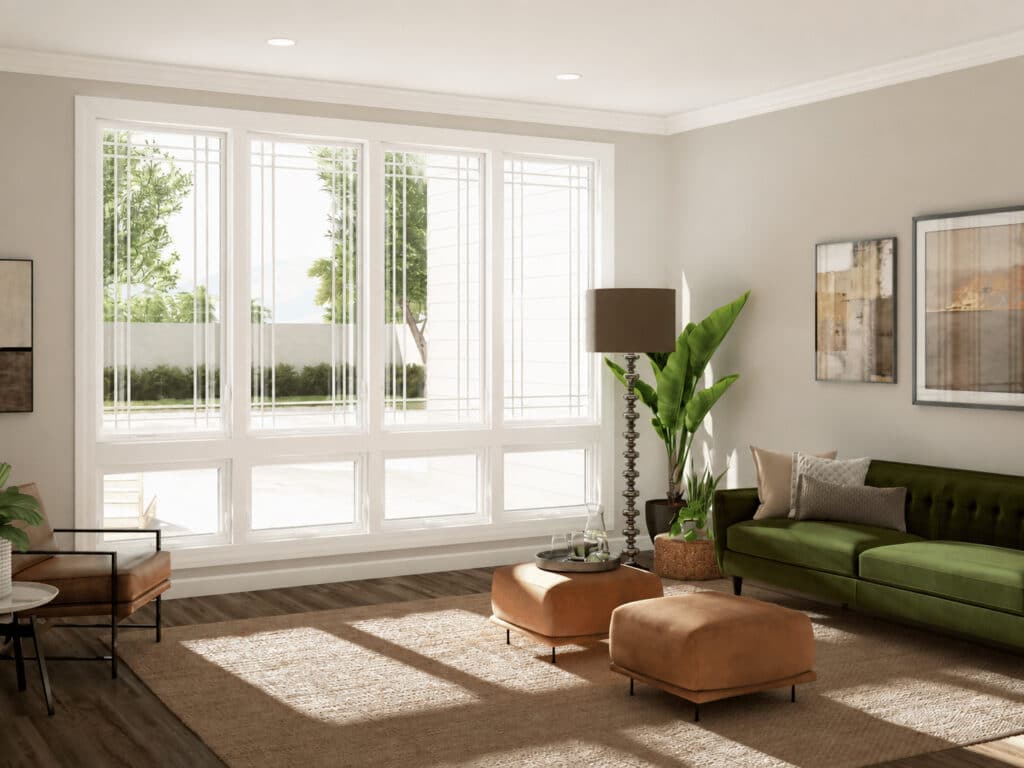
Your windows do more than let in light. They regulate temperature, block out noise, protect against the elements, and shape how your home looks from the street. Yet many homeowners don’t think about their windows until something goes wrong—a draft creeping through an old frame, condensation fogging up the glass, or a utility bill that keeps climbing. If any of that sounds familiar, it might be time to consider a material that’s quickly becoming the gold standard in residential window design.
At Elevated Windows & Doors, we’ve seen firsthand how the right window material can transform a home. While vinyl and wood have long dominated the market, composite windows are changing the conversation. They combine the best qualities of multiple materials into a single, high-performing product that holds up to real-world conditions without demanding constant upkeep.
This post breaks down what makes composite windows worth considering, how they compare to traditional options, and why so many homeowners are making the switch.
What Makes Composite Windows Different?
Composite windows are built from a blend of materials—typically wood fibers and polymer resins—fused together to create a frame that’s stronger and more stable than either material alone. Think of it as engineering taking the best traits of wood (its natural insulation and classic appearance) and pairing them with the resilience of synthetic materials.
The result is a frame that resists warping, swelling, and rotting, even in climates with extreme temperature swings or high humidity. Unlike solid wood, composite won’t absorb moisture the same way, which means fewer worries about mold, mildew, or structural decay over time.
How Do Composite Windows Compare to Vinyl and Wood?
Choosing a window material often comes down to balancing cost, durability, and appearance. Here’s how composite stacks up against the two most common alternatives.
Composite vs. Vinyl
Vinyl windows are popular because they’re affordable and low-maintenance. But vinyl can become brittle in cold weather and may warp or discolor under prolonged sun exposure. Composite windows offer similar low-maintenance benefits while standing up better to temperature extremes, making them a strong choice for homes in regions with harsh winters or scorching summers.
Composite vs. Wood
Wood windows bring undeniable warmth and character to a home, but they require regular maintenance to prevent rot, insect damage, and paint deterioration. Composite windows replicate that traditional aesthetic without the upkeep. For homeowners who love the look of wood but not the chore list that comes with it, composite is often the better long-term investment.
What Are the Energy Efficiency Benefits of Composite Windows?
One of the biggest draws of composite windows is their ability to improve a home’s energy efficiency. The dense, engineered structure of composite frames provides excellent insulation, helping to keep conditioned air inside and outdoor temperatures where they belong—outside.
This matters more than many homeowners realize. According to the U.S. Department of Energy, heat gain and heat loss through windows account for 25% to 30% of residential heating and cooling energy use. Upgrading to a more insulating window material can meaningfully reduce that number, which often translates into lower monthly utility bills and a more comfortable indoor environment year-round.
Composite frames also tend to pair well with advanced glazing options, including double- or triple-pane glass and low-emissivity (Low-E) coatings, further boosting their thermal performance.
Are Composite Windows Worth the Investment?
It’s a fair question, especially since composite windows typically carry a higher upfront cost than vinyl. But durability changes the math. Composite frames are built to last for decades without the cracking, fading, or rotting that can shorten the lifespan of other materials. Fewer repairs and replacements over time mean the long-term value often outpaces the initial price difference.
For homeowners planning to stay in their home for years to come, or those who simply want windows that won’t need attention every season, composite is worth the investment. It’s also an appealing option for anyone preparing to sell, since updated, energy-efficient windows are a feature many buyers specifically look for.
Bringing Composite Windows Home with Elevated Windows & Doors
Composite windows built around comfort, durability, and energy savings are exactly what Elevated Windows & Doors specializes in delivering to homeowners who want a long-term upgrade without the long-term maintenance. Our team works with you to select the right style, finish, and performance features for your home, whether you’re replacing a single drafty window or updating your entire property.
We understand that a window upgrade is a significant decision, which is why we walk through every option with you—material, glazing, hardware, and style—so you end up with windows that fit both your home’s character and your budget. Our installation team handles the process with precision, ensuring a proper seal and fit that maximizes the energy efficiency benefits composite windows are known for.
If your current windows are letting in drafts, driving up your energy bills, or simply looking tired, it might be time for a change. Reach out to Elevated Windows & Doors to schedule a consultation and see how composite windows could fit into your home.
Frequently Asked Questions
How long do composite windows last?
With proper installation, composite windows can last 30 to 40 years or more, often outperforming vinyl and wood in long-term durability.
Are composite windows more expensive than vinyl?
Generally, yes. Composite windows carry a higher upfront cost, but their durability and energy efficiency often offset that difference over time.
Do composite windows require much maintenance?
No. Composite windows are designed to be low-maintenance, resisting rot, warping, and fading without the need for regular painting or sealing.
Can composite windows help lower energy bills?
Yes. Their insulating properties help reduce heat transfer, which can lead to noticeable savings on heating and cooling costs.