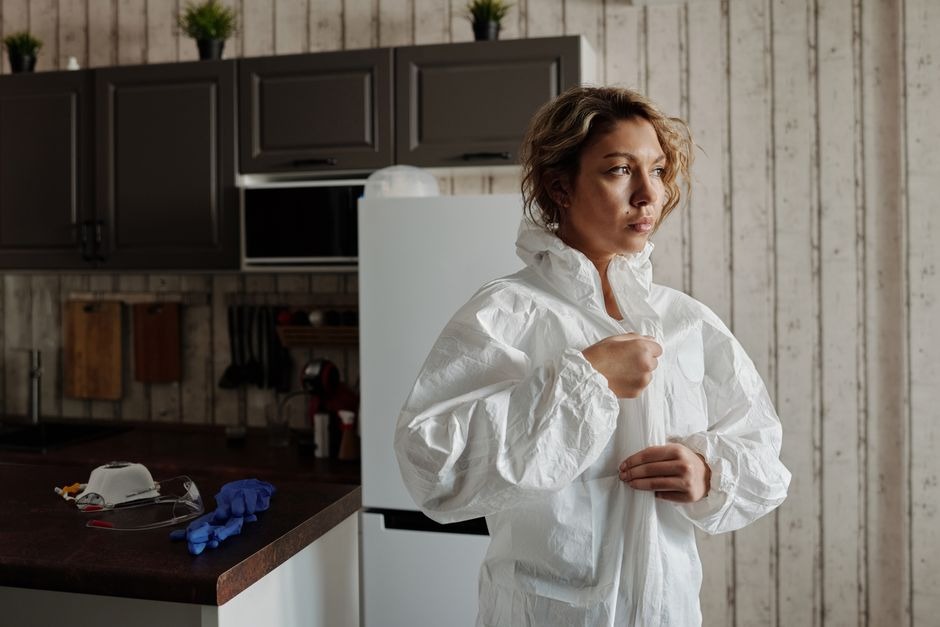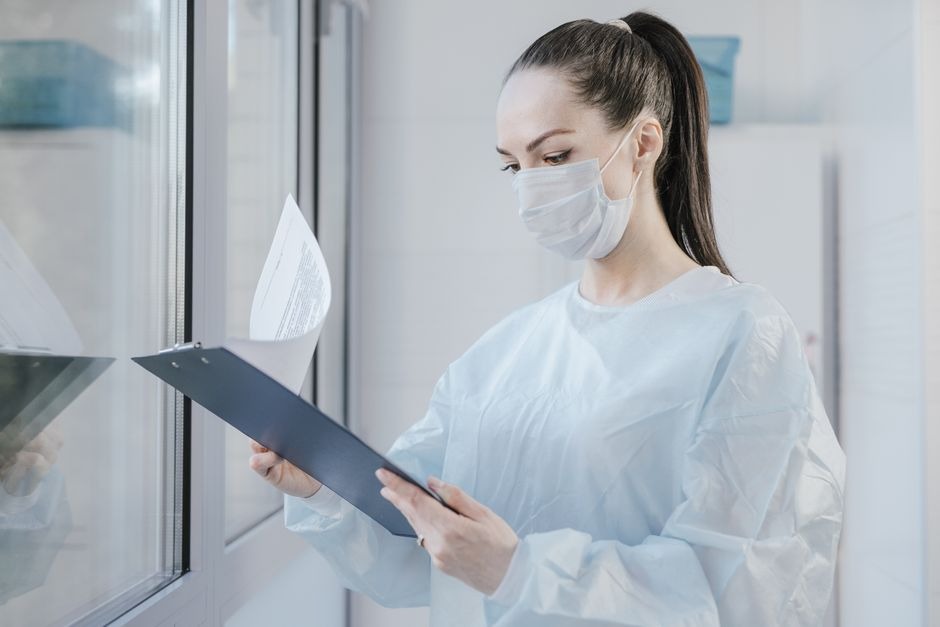
If you’re interested in healthcare but don’t picture yourself working only at a bedside, forensic nursing offers a very different path. It sits where medicine and the legal system meet, which means your work can affect both a patient’s recovery and a court case. For you, that creates a career option that feels practical, high-stakes, and deeply human all at once.
Where you could work if this career grabs your attention
This field is broader than many people expect. You could work in emergency departments, sexual assault response programs, correctional facilities, psychiatric settings, child advocacy centers, coroners’ offices, or community-based crisis teams.
Some forensic nurses focus on acute cases, such as recent assault exams. Others work with long-term patterns of harm, including elder abuse, domestic violence, and human trafficking. You may even help train staff or testify in court.
If you’re exploring forensic nursing jobs, it helps to think beyond one job title. The field includes several specialties, and each one comes with a different pace, environment, and emotional load. In other words, the badge says nurse, but the day can look very different depending on the setting.
What forensic nursing actually looks like day to day
Forensic nursing is not just “nursing, but with crime shows in the background.” It involves caring for patients who may have experienced violence, abuse, neglect, trauma, or other situations that could involve legal investigation.
You might assess injuries, document evidence, photograph wounds, collect samples, and explain treatment in a calm, clear way. At the same time, you’re helping patients feel safe during one of the worst moments of their lives.
A big part of the role is precision. Your charting has to be accurate, detailed, and legally sound. One missing note can create problems later. That mix of compassion and exactness is what makes this field so unique.
The skills that matter more than people usually expect
You already know clinical skills matter. What surprises many people is how heavily this career relies on observation, communication, and emotional control. You need to notice small injury patterns, inconsistencies in a story, and signs that a patient feels unsafe without pushing too hard.
Strong documentation is also non-negotiable. In many cases, your notes may be reviewed by attorneys, investigators, or judges. Sloppy wording is not a cute personality trait here.
You’ll also need trauma-informed communication. That means speaking in ways that avoid blame, preserve dignity, and reduce distress. Patients may be overwhelmed, afraid, or distrustful. Your tone, pacing, and word choice can make the room feel manageable again.
– Careful evidence collection
– Clear, neutral documentation
– Calm communication under pressure
– Understanding of legal procedures
– Strong boundaries and emotional resilience
Education, training, and credentials you may need
Most people enter forensic nursing after becoming licensed registered nurses. From there, training can include sexual assault nurse examiner education, continuing education in trauma care, death investigation, or violence prevention, depending on your focus.
Employers may want experience in emergency nursing, ICU, pediatrics, psychiatric care, or community health. Those backgrounds help because forensic cases rarely arrive neatly packaged. Real life tends to be messier than a textbook and far less polite.
Professional organizations, certificate programs, and university-based training can help you build specialized knowledge. Clinical competency matters just as much as classroom learning, so supervised practice is often a major piece of the path.
Before choosing a program, check whether it offers hands-on preparation, legal documentation training, and case-based learning instead of theory alone.
The emotional reality behind the job
This career can be meaningful in a way few roles are. It can also be heavy. You may hear painful stories, see severe injuries, and work with people during trauma, grief, or shock. Some cases stay with you longer than you’d like.
That does not mean the job is impossible. It means you need realistic expectations. Healthy coping habits, peer support, supervision, and strong boundaries are part of staying effective. You can care deeply without carrying every case home in your nervous system.
There is also a different kind of stress that comes from legal scrutiny. If you testify, your actions and notes may be challenged in court. That pressure is real, but good training helps.
People who thrive in forensic nursing often find purpose in being both a clinician and an advocate. You’re helping someone medically while protecting facts that may later matter enormously.
How this field fits into larger healthcare and justice issues
Forensic nursing highlights gaps many systems still struggle to close. Patients affected by violence often need medical care, mental health support, safe housing, legal protection, and follow-up services. One clinic visit rarely solves the whole problem.
That puts forensic nurses in an important position. You’re not only treating injury. You’re often identifying patterns of abuse, connecting patients to resources, and improving how institutions respond to trauma.
This work also matters in public health. Better documentation and coordinated response can reveal trends in assault, neglect, and exploitation. Over time, that can shape policy, hospital procedures, and prevention efforts.
For you, that means the role can have impact beyond one patient encounter. It sits at the intersection of healthcare quality, victim support, and accountability. Few nursing paths make system flaws this visible, or make your response to them this practical.
Questions to ask yourself before pursuing this path
Before you commit, take a hard look at your strengths and limits. Interest alone is useful, but self-awareness is what keeps career decisions from turning into expensive plot twists.
Ask yourself:
– Do you stay calm in emotionally intense situations?
– Can you document details carefully even under pressure?
– Are you comfortable with legal processes and possible court testimony?
– Do you want patient care that involves advocacy as well as treatment?
– Can you handle difficult material while still protecting your own well-being?
You may also want to shadow nurses in emergency or trauma-related settings, if possible. Talking with professionals can reveal things brochures never mention, including scheduling demands, on-call expectations, and the emotional rhythm of the work.
If those realities still feel meaningful rather than discouraging, forensic nursing may be worth serious consideration.
Final thoughts on choosing a career in forensic nursing
Forensic nursing is not the easiest route into healthcare, and that’s part of what gives it weight. You’re stepping into situations where medical skill, legal accuracy, and human empathy all matter at once.
For the right person, that combination can be incredibly fulfilling. You get a career that is practical, specialized, and connected to real-world problems that need smart, steady professionals.
If you’re drawn to medicine but also care about justice, patient advocacy, and high-detail work, this field deserves a close look. It asks a lot from you, no question. It also gives you the chance to do work that people remember long after the shift ends.