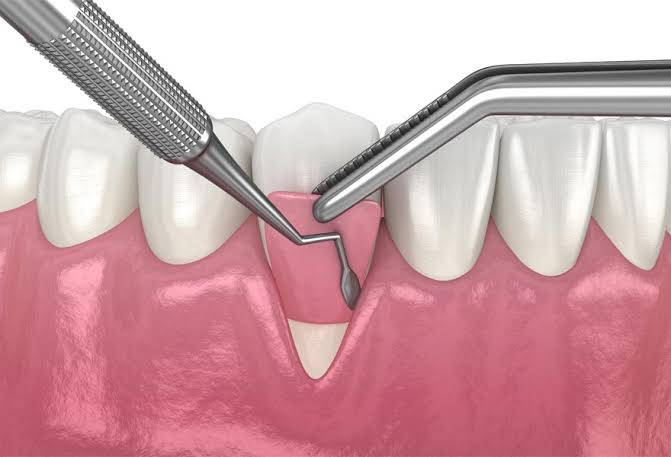
Gums that are healthy not only contribute to your perfect smile but also help hold your teeth together as well as protect other underlying tissues. Treatments for gum disease can vary from deep cleanings to surgery based on the level of severity of the disease. It will become easier to understand dental treatments if you are aware of the difference. For those researching gum surgery for periodontal disease, it is important to understand the different aspects of both treatments.
What Is Non-Surgical Gum Treatment?
The non-surgical method is usually the first option for treating gum disease that is mild to moderate. In this treatment, special attention is given to removing plaque and tartar from those areas which are not accessible by normal brushing. Scaling and root planing is a popular non-surgical procedure, it is also known as the deep cleaning method.
Scaling and root planing is performed with the aim of removing any plaque or tartar that is present under the gum line and also smoothing the root surfaces so that it becomes difficult for the bacteria to accumulate and give healthy gums an opportunity to heal. Scaling and root planing may be performed in one visit or in more than one visit depending on the patient’s condition. Proper oral hygiene habits have to be maintained even after undergoing this treatment.
When Is Surgery Considered?
Surgeries are usually suggested for people who suffer from advanced stages of periodontal disease and when the nonsurgical approaches are ineffective. Periodontal disease can result in deep pockets in between the teeth which makes it harder to clean the area since there are bacteria under the gum line.
The periodontal surgery includes the process of moving the gum tissue to clean the pocket, but depending on the state of the tissue, bones and gums the dentist may need to reshape the area. Periodontal procedures vary according to the health conditions of the patient.
However, surgery is not necessary for all patients with gum disease. It is important to conduct an examination in order to understand the extent of the damage.
Key Differences Between the Two
The major difference relates to the manner in which the affected areas are accessed. With non-surgical intervention, there is no need for opening of the gum tissue, thus making it relatively less invasive.
With surgical intervention, there is direct access to the gum tissue. The recovery time is longer, and it is vital to strictly adhere to the aftercare guidelines. However, both types of treatment are aimed at achieving the same objective of reducing bacterial levels and inflammation.
It should be noted that the stage of the periodontal disease may determine the course of treatment as well.
What Happens During an Assessment?
Prior to any treatment, your teeth and gums will be examined by a dentist. They will check the pocket depths in the gums, if there is swelling or any bleeding, if there are any loose teeth, and if the gums are receding from the teeth. Dental X-rays may also be ordered in case the bone loss needs to be checked.
Such findings can help ascertain the severity of the periodontal disease. The treatment method should be chosen according to the specific condition of the patient. Not all cases of periodontal disease require surgery to be performed.
Recovery and Aftercare
Recovery will depend on the form of treatment administered. Sensitivity or pain could be experienced after non-surgical treatment of the mouth. The use of a soft brush as recommended by the dental professional would help ease the experience.
There are several things that a patient may be expected to do after undergoing gum surgery. There might be a need to avoid particular foods and observe proper oral hygiene as directed. Some degree of swelling and bleeding will be normal. However, prolonged or worsening signs should be reported to the dental professional.
Which Treatment Is Right?
No one treatment exists to fit all situations. Mild cases of periodontal disease can be resolved through cleaning by the dentist as well as improved oral hygiene on an everyday basis. In more severe cases of gum disease, further treatment may become necessary if the infection has progressed to the deeper tissue level or the structures holding the teeth.
It is crucial to act without procrastination and visit your dentist for consultation. Periodontal disease does not necessarily lead to painful sensations, thus waiting until the discomfort becomes apparent is not the right way to gauge its severity.
Conclusion
Whether to opt for non-surgical or surgical methods relies greatly on the severity of the condition of gum diseases and the manner by which the gums react during the initial phase of treatment. Non-surgical treatment is sufficient in addressing most situations, although some severe cases require a direct surgical intervention. If you are planning on undergoing gum surgery for periodontal disease, it is essential that you first consult a dentist for an accurate diagnosis. Montclair Dental Spa NJ can assist you with that.
READ ALSO: What to Discuss With Your Provider Before Starting Weight Loss Medication