When a furnace turns on, runs for only a few minutes, shuts off, and repeats, the system is short cycling. In Tucson, dust, rooftop package units, and big temperature swings between day and night can all influence how a gas furnace behaves. Short cycling wastes fuel, creates uneven room temperatures, and adds wear to parts like the igniter, inducer motor, and control board. Left alone, it can escalate into no-heat lockouts. This article explains how to recognize true short cycling, the most common local causes, simple checks you can do safely, what a technician will test, and when a repair versus a replacement makes sense.
- Recognizing True Short Cycling Versus Normal Operation
If you end up searching for Furnace repair in Tucson, it helps to confirm the behavior you are seeing first. A normal furnace cycle often lasts 10 to 20 minutes under winter load, then rests. Short cycling looks different: the thermostat is still calling for heat, yet you hear the inducer motor start, the igniter click, the burners light, and within two to five minutes the burners cut out. The blower may coast down and start again soon after. That rapid on/off pattern repeats several times an hour.
Do not confuse short cycling with the thermostat’s “cycles per h”ur” setting or a two-stage furnace’s low-fire mode. On some thermostats, a cycles-per-hour setting is designed to make the furnace start more often. With true short cycling, the control board is typically ending the heat call early for a safety reason, such as a high limit switch trip or loss of flame signal. You may notice wider swings in supply air temperature from vents and hear frequent inducer starts that seem out of proportion to your home’s heat demand.
- Common Tucson-Specific Causes Behind Rapid Cycling
Restricted airflow is the number one driver. dust-loaded 1-inch filter, a blocked return grille, or several closed supply registers can push temperature rise across the heat exchanger beyond the nameplate rating. The high-limit switch then opens, shutting off the burners mid-cycle. In Tucson, windblown dust and pet hair can clog filters quickly, and rooftop package units often ingest more debris than indoor furnaces, raising external static pressure and tripping limits even faster.
Combustion and venting issues are another pattern. A flame sensor with a thin oxide layer may stop reading flame microamps reliably; the board cuts gas as a precaution and restarts moments later. On windy days, a marginal pressure switch or cracked rubber tube to the inducer can fail to prove draft, causing brief burner runs followed by shutdown. During monsoon season, moisture can accumulate in a condensate trap on condensing furnaces; if the drain partially plugs, the pressure switch may open intermittently. Each of these faults interrupts the heat call well before rooms warm up.
- Safe Checks You Can Do Before Calling a Pro
Start with airflow. Replace a dirty filter the same day. For most Tucson homes, a MERV 8 to 11 filter balances dust capture with breathable static pressure; higher MERV ratings on 1-inch filters can choke airflow. Make sure return grilles are clear of furniture and that at least most supply registers are open. If you have a media cabinet with4–a 4 5-inch filter, check its date and condition; it can quietly load up and spike temperature rise across the heat exchanger.
Next, review thermostat basics. Replace weak batteries, move the thermostat away from direct sun or supply vents, and confirm the equipment type is set to “gas/forced air” with an appropriate cycles-per-hour value. If your thermostat shows “short cycle protection,” wait out the built-in delay before judging behavior. Never bypass a safety switch, and if you smell gas or see scorch marks at the furnace cabinet, stop and call a licensed technician. Avoid climbing onto a roof to inspect a package unit; rooftop work requires fall protection and proper tools.
- What Technicians Test During a Short Cycling Call
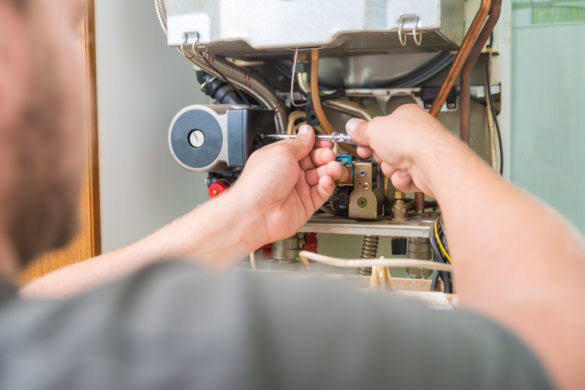
Expect a technician to measure external static pressure with a manometer, then compare the system’s temperature rise to the furnace nameplate range. If the temperature rise is high, they may change blower speed taps or ECM profiles, correct duct constrictions, and confirm filter and coil cleanliness. They will clean and test the flame sensor, verifying a stable microamp reading, and inspect the hot surface igniter for hairline cracks that cause unreliable lighting. The tech will also check inducer performance, pressure switch operation, and the integrity of vent and condensate runs.
Because many Tucson homes use rooftop package units or furnaces in tight attics, duct leakage and undersized returns are often contributors. A tech may use a smoke pencil to spot return leaks pulling attic dust straight into the system, then recommend sealing or adding return capacity. If oversizing is suspected, they might discuss load calculations (Manual J) and equipment capacity (Manual S) rather than guessing based on nameplate BTUs. The goal is to stop the safety trips by restoring proper airflow, stable flame verification, and design temperature rise, not to mask symptoms.
When a Repair Is Enough and When to Consider a Change
Scenario one: A 20-year-old fixed-speed 80,000 BTU furnace serves a moderately well-insulated home. It heats rooms fast, but trips the high limit because ductwork and return sizing are tight. A technician can often reduce cycling by increasing blower speed, opening unused registers, and improving return airflow. The tradeoff is noise and sometimes reduced comfort due to higher air velocity. Long term, if cycling persists, right sizing or moving to a two-stage or modulating furnace can stretch run times and improve comfort, but it adds upfront cost.
Scenario two: a relatively recent furnace short cycles after windy days. The diagnosis reveals an oxidized flame sensor and a pressure switch tube with a pinhole leak. Cleaning the sensor, replacing the tubing, and securing the vent termination resolve the issue quickly. Here, a repair paired with routine maintenance is the practical path. Seasonal tune-ups that include filter checks, flame sensor cleaning, condensate trap clearing on condensing models, and temperature-rise verification can prevent most nuisance shutdowns before they cascade into lockouts.
Short cycling is almost always a symptom, not the root problem. Tucson’s dusty, windy climate, airflow, and sensor reliability are constant themes. If your furnace still shuts down early after a fresh filter, open vents, and thermostat checks, a trained technician can measure the pressures, temperature rise, and flame signal that tell the true story. Addressing the cause early protects critical components like the igniter, inducer, and control board, steadies room temperature, and keeps fuel use sensible through the coolest desert nights.