People often picture hospice as a nurse who visits. A nurse is part of it, but only part. The close of a serious illness is not only a medical event. It is physical, emotional, practical, and spiritual all at once, and hospice is built as a team for exactly that reason: no single person can meet all of it well.
The Medical Core
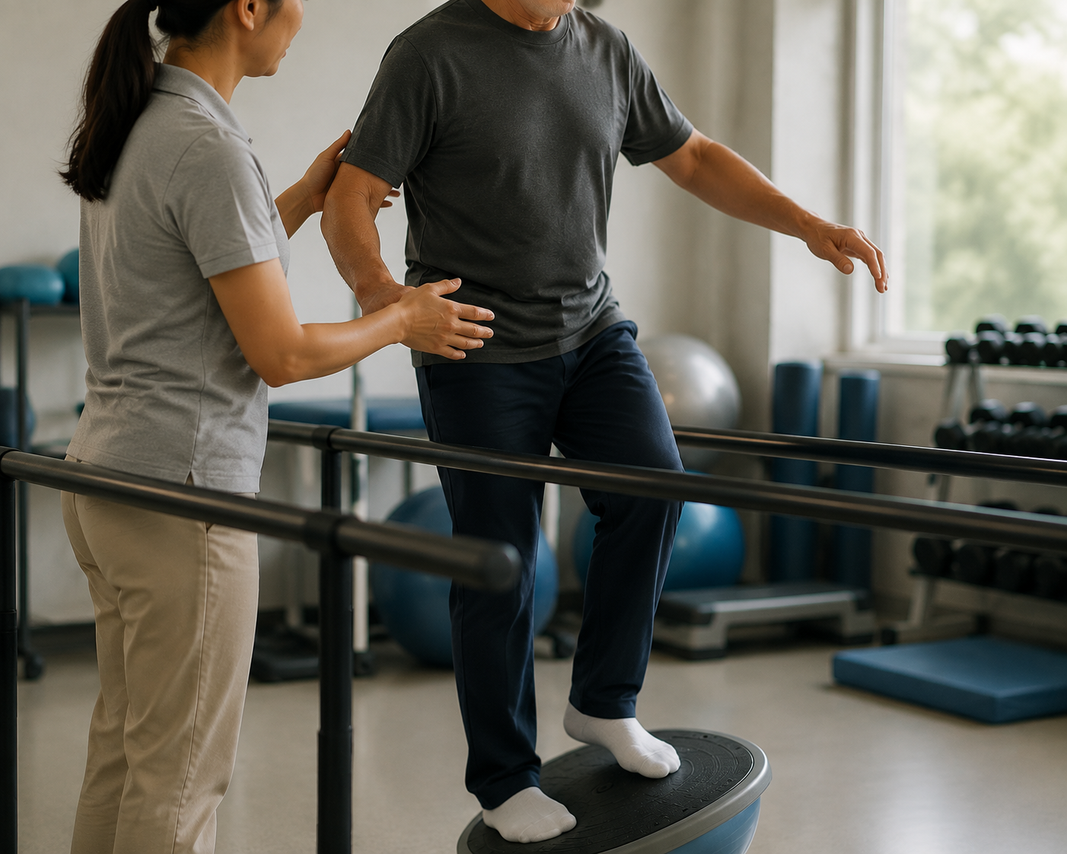
At the center is the medical care, and it is more skilled than the word “comfort” sometimes suggests. Physicians and nurses work to control pain and to ease the symptoms that can make a person’s last stretch harder than it needs to be, breathlessness, nausea, restlessness, trouble sleeping. This is active medicine aimed at relief rather than cure, and doing it well takes real expertise. Hospice aides add another layer, helping with bathing, grooming, and the daily physical needs that become difficult, so a person keeps their comfort and their dignity. Small physical things loom large near the end, and having them handled gently matters more than it might seem from the outside.
The Support Around the Medicine
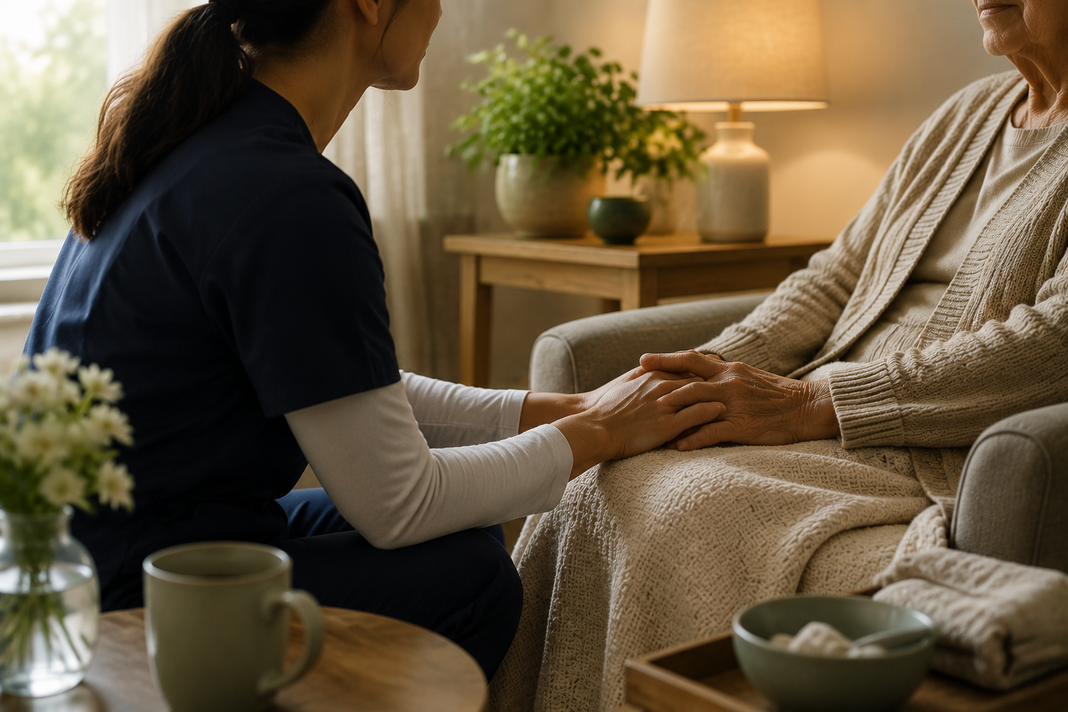
Managing symptoms is necessary, and it is not the whole of what a person and family face. A social worker helps with the decisions, the paperwork, and the emotional weight that pile up at this time, and connects families to resources they did not know existed. For those who want it, a chaplain or spiritual counselor is there for questions of meaning, fear, and faith, without pressing any particular belief. Good Hospice Care in San Diego and anywhere else brings these roles together rather than leaving a family to assemble them alone, because the non-medical needs are as real as the physical ones.
Care That Includes the Whole Family
A serious illness is carried by everyone close to the person, not the patient alone. Hospice teams account for that, and the support reaches past the patient in ways families often do not expect:
- Guidance for caregivers who are worn down and unsure
- Short respite stays that let a family member rest
- Emotional support for spouses, children, and others nearby
- Bereavement support that continues after the person has died
That last part surprises people. The care does not simply stop; grief is understood as part of what the team was there for all along.
The Coordination Is the Point
What ties this together is that the team works as one, sharing what each member sees so the care stays consistent instead of scattered across disconnected visits. Providers built around patient-centered care tend to treat that coordination as the heart of the work, since a person at this stage should not have to manage a dozen separate relationships. The value is in the whole standing behind the one who knocks on the door.
Hospice looks, from the outside, like a single caregiver. It works because of everyone behind that person, a team assembled so that the physical, emotional, practical, and spiritual weight of a hard time is carried together rather than left to any one pair of hands, or to a family trying to hold all of it on its own.