A fall can look like bad luck or a plain fact of getting older. Balance, though, is not luck. It is an active skill the brain performs every second, blending signals from several systems to keep the body upright without a person ever thinking about it. When a neurological condition disrupts those signals, balance suffers and falls follow, which is one reason balance sits at the center of neurological rehabilitation.
Balance Is Something the Brain Computes
Staying upright is a constant calculation. The brain draws on three main streams of information: the vestibular system in the inner ear, which senses head position and motion; vision, which tells the body where it sits in a space; and sensation from the feet, legs, and joints, which reports pressure and position. The brain merges these in real time, notices sway, and corrects it before a person tips over. Most people never notice any of this, because it works quietly until one of the inputs fails.
Neurological Conditions Break the Inputs
That is exactly what a neurological condition tends to do. A stroke can slow reactions or weaken one side of the body. Parkinson’s affects the timing and control of movement. A vestibular disorder floods the system with dizziness. Nerve damage can leave the feet numb, so the brain loses its read on the ground. In each case the brain is working with bad or missing information, and the body turns unsteady as a result. This is a large part of what Neurologic Physical Therapy in Carlsbad and elsewhere addresses, since falls rise sharply once these inputs are disrupted.
Balance Can Be Retrained
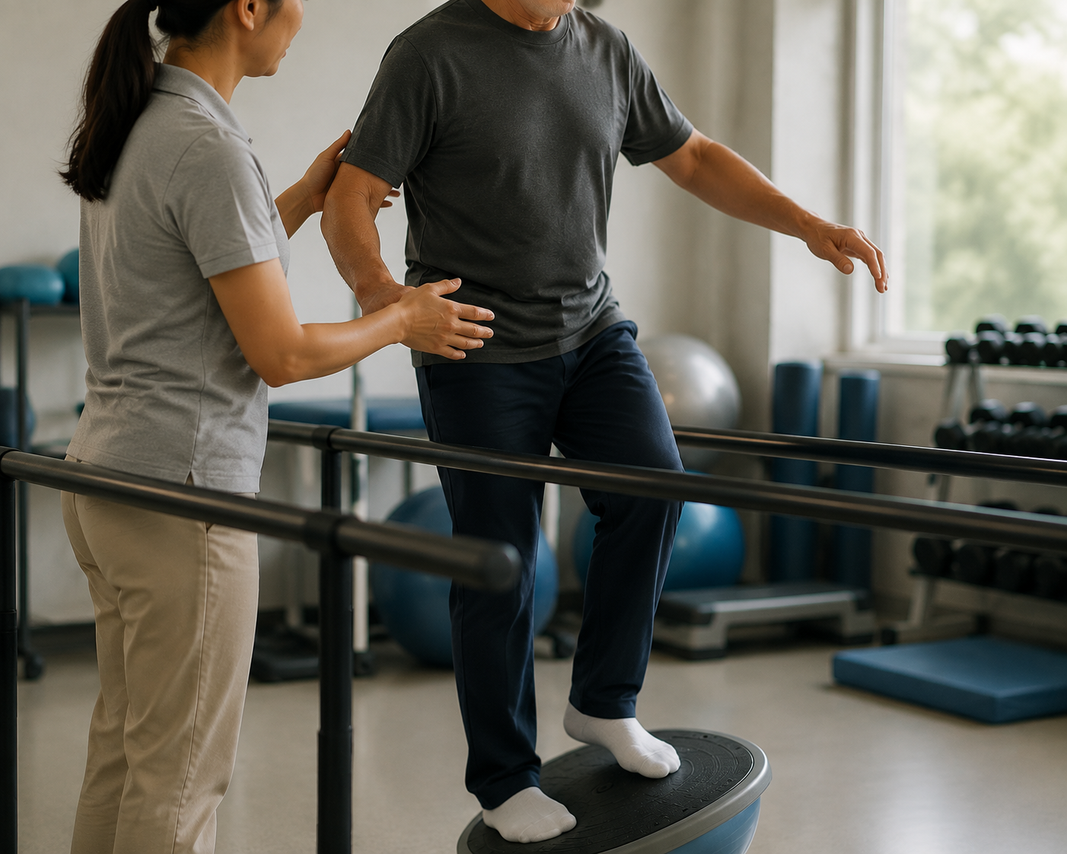
The encouraging part is that balance, being a skill, can be practiced and rebuilt. Therapy challenges the balance system on purpose, in a controlled and safe way, so the brain relearns to use the inputs it still has and to sharpen its corrections. The work tends to include:
- Practicing steadiness on different surfaces and in different positions
- Retraining the vestibular system to settle dizziness over time
- Strengthening the legs so the body can react and catch itself
- Rehearsing the specific situations where falls tend to happen
Done consistently, this can reduce both the frequency of falls and the fear of them, which on its own keeps many people from moving.
Falls Are Not Simply Inevitable
It helps to know that falling is not an unavoidable part of a condition or of aging. Risk can often be lowered, sometimes substantially, with targeted work, though results depend on the person and the underlying condition. Clinics focused on neurological rehabilitation tend to assess which of the balance inputs are affected and build a program around them. Anyone with balance problems or a history of falls should be evaluated by a qualified professional, since the right approach depends on what is actually causing the instability.
A steady body is not a matter of luck but of a brain constantly reading its surroundings and adjusting. When a neurological condition disturbs that process, retraining it is often possible, and it is some of the most life-changing work neurological therapy does.