A second home almost always begins with a feeling rather than a spreadsheet. Someone spends a long weekend somewhere quiet, drives past a house with the right view, and decides that having a place of their own there would change how the year feels. The purchase happens, the keys arrive, and for the first few months everything lives up to the picture.
Then real life resumes. Work gets busy, the drive starts to feel longer, and the house sits empty for stretches that get harder to justify. Owners across Oregon describe the same slow shift, where a home bought for pleasure quietly turns into a standing obligation with bills attached to it.
The good news is that nothing about that outcome is fixed. A second home can be both a place you look forward to and a property that pays for a meaningful share of its own costs. Getting there is mostly a matter of making a few deliberate decisions early and keeping the house in a condition that supports them.
When a Second Home Starts to Feel Like Work
The distance between owning a place and enjoying it usually shows up in the steady stream of small demands that come with keeping a house ready for other people. Property management is where most owners feel that weight, because the cleaning turnovers, the questions at odd hours, the small repairs, and the seasonal upkeep rarely arrive when there is time to deal with them. Handing the running of the house to a local company that does this work every day removes that pressure and keeps the property performing while the owner is living their ordinary life somewhere else.
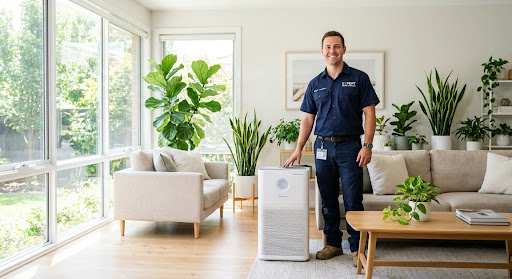
iTrip Northwest provides the kind of property management Oregon homeowners rely on when they want the house earning without losing their weekends to it. They look after marketing and guest communication, arrange cleaning between stays, install digital locks, monitor for noise, and take care of the day-to-day condition of the home, while still allowing owners unlimited personal use of their own property.
With that support behind it, the house stops feeling like a list of chores and goes back to being the reason the purchase was made in the first place.
Deciding How You Want the Home to Be Used
Most of the frustration owners run into traces back to a decision that was never actually made. The house was bought as a retreat, then partly rented, then held back for family visits that did not happen, and the result is a property pulled in three directions at once.
It helps to be honest about how many weeks a year you will realistically be there. For most people, the number is smaller than they expect. Once that figure is clear, the rest of the calendar becomes available for guests, and the house can be set up with that pattern in mind rather than being adjusted on the fly every month.
Owners who block out their own dates in advance tend to be happiest with the arrangement. They know when the house is theirs, they stop feeling guilty about the weeks it is occupied by someone else, and they avoid the last-minute scramble of trying to clear a booked calendar for a family weekend.
Furnishing the Space for Comfort and Everyday Wear
A home that hosts visitors needs furniture chosen for a different reason than furniture bought purely for yourself. Comfort still matters most, but durability runs a close second. Fabrics that clean easily, surfaces that forgive a spilled glass, and mattresses that hold up to constant use will save years of replacement costs.
The details people remember are rarely expensive ones. Good lighting, enough seating for everyone who sleeps there, decent cookware, strong water pressure, and a bed that feels properly made do more for a stay than any single statement piece. Storage matters too, since a locked closet lets you keep personal belongings at the house without putting them in front of guests.
Think about the entrance as well. The first thirty seconds inside a house set the tone for the whole visit, and a clean, uncluttered, well-lit arrival makes the rest of the place feel cared for.
Keeping the House Ready Through Every Season
Weather is the quiet enemy of any home that sits unoccupied. Damp gets in where nobody is around to notice, gutters fill, heating systems sit idle for months, and small faults become expensive ones simply because no one was there in the weeks they first appeared.
A seasonal rhythm solves most of this. Heating and cooling serviced before the months they are needed, roofs and drainage checked after heavy weather, exterior wood maintained on a schedule rather than when it starts to look tired. None of it is complicated work, but all of it depends on someone being close enough to the property to see what is happening.
Balancing Personal Use With Steady Income
Income from a second home is not a reason to stop using it. The two goals sit together comfortably once the calendar is organized with a little foresight. Peak periods generally attract the strongest demand, so owners who are flexible about taking their own time slightly outside those windows usually find they give up very little and gain a great deal.
It also helps to think in terms of the whole year rather than individual months. Quiet stretches balance busy ones, and a property that stays well presented and well reviewed tends to hold its appeal through the slower parts of the calendar instead of sitting dark.
Treating the Home as a Long-Term Asset
A second home is a long-term holding, and the way it is looked after decides what it is worth later. Consistent upkeep protects the structure, a good reputation protects demand, and sensible records of what has been spent and repaired make any future decision about the property far simpler.
Owners who approach the house this way tend to describe it differently after a year or two. It stops being a thing they worry about between visits and becomes something closer to what they imagined on the drive home after they first saw it, a place they genuinely enjoy that happens to be working for them the rest of the time.