Your roof usually stays out of sight until it starts making expensive announcements. A missing shingle, a slow leak, or a water stain on the ceiling can quickly develop into a major roofing issue. If you’re thinking about replacing your roof, the process before the roofing crew arrives can help you prepare for the installation. Proper planning can save money, reduce stress, and prevent avoidable mistakes.
Know when repair is no longer enough
Understanding when to consider a new roof installation can help homeowners avoid recurring repair costs and prevent further property damage. Not every roofing problem means you need a full replacement. A few damaged shingles after a storm, minor flashing issues, or a small leak around a vent can often be repaired. The problem starts when damage keeps returning, repairs pile up, or the roof is simply old.
Most asphalt shingle roofs last around 20 to 30 years, depending on materials, weather exposure, and maintenance. If your roof is near that range, patch jobs can start feeling like putting duct tape on a cracked phone screen. Functional for a minute, but not exactly a long-term plan.
Watch for warning signs like sagging areas, granules in gutters, moss growth, recurring leaks, and rising energy bills. If those issues show up together, replacement usually deserves a serious look.
Understand what a full roof replacement actually includes
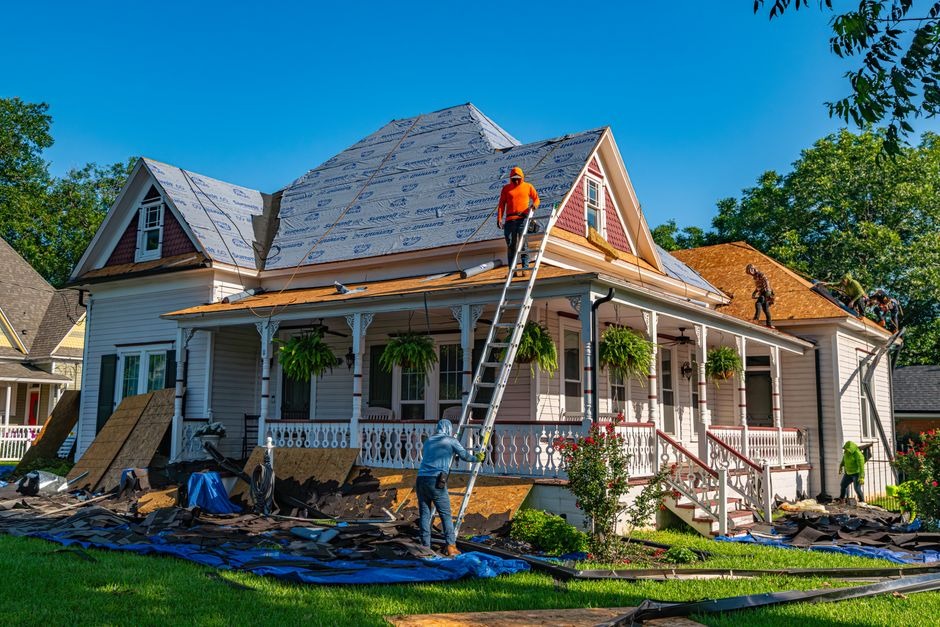
A roof replacement is more than installing new shingles. It usually starts with tearing off the old roofing material, checking the roof deck underneath, replacing damaged wood, installing underlayment, sealing vulnerable areas, and then adding the new outer roofing system.
The visible shingles represent only one component of the roof. Water protection also depends on flashing, ventilation, ice and water barriers, and proper fastening patterns. Miss one detail and the whole system can underperform.
When you compare estimates, make sure each contractor is quoting the same scope of work. One quote may include deck repairs and upgraded underlayment, while another may not. Cheap numbers can look great until you realize they skip the parts that keep rain from sneaking into your attic like it pays rent.
Choose materials based on climate, budget, and maintenance
Roofing materials aren’t one-size-fits-all. Asphalt shingles are popular because they’re affordable, widely available, and come in many styles. Metal roofing lasts longer and can reflect heat well, but it costs more upfront. Tile and slate offer a distinct look and impressive durability, but their weight may require additional structural support.
Your climate should influence your decision. In hot areas, reflective materials can help reduce cooling costs. In regions that experience frequent storms, impact-resistant shingles may provide better protection. In damp environments, algae-resistant options can help the roof stay cleaner over time.
Ask practical questions before you choose:
- How long is the expected lifespan?
- What maintenance will you need?
- Does the material handle local weather well?
- Will it match the style of your home?
- What warranty comes with it?
A roof protects your home while serving as a long-term investment.
Hire a contractor with the right experience and process
A solid product installed badly can still fail. Homeowners should consider more than just material quality when choosing a roofing contractor. You’re not only buying materials. You’re also buying workmanship, scheduling, communication, cleanup, and accountability.
When evaluating a contractor, ask for proof of licensing, insurance, and manufacturer certifications if relevant. Read recent reviews, not just star ratings. Pay attention to comments about timing, problem-solving, and how the crew handled unexpected issues.
If you’re comparing companies, look for one that explains the process clearly, inspects the decking, discusses ventilation, and gives you a written estimate with material details. A trustworthy contractor should make the project feel organized, not mysterious. Also ask who will supervise the job on-site. That answer tells you a lot about quality control.
Prepare your home and schedule for the disruption
Roof replacement is a temporary process, but it can cause significant disruptions to your daily routine. There will be noise, movement around your property, and crews working early. If you work from home, have pets, or care for small children, plan ahead. Nail guns and pounding overhead are not known for their soothing energy.
Before work begins, clear vehicles from the driveway and move patio furniture, grills, potted plants, and fragile items away from the home’s perimeter. Indoors, remove wall decorations or loose items from shelves, especially on upper floors, since vibrations can shake things around.
A few smart prep steps include:
- Covering items in the attic with sheets or plastic
- Trimming branches near the roofline
- Marking sprinkler heads or landscape lighting
- Letting neighbors know about the work schedule
- Confirming dumpster placement and access points
The smoother the site setup, the fewer surprises you’ll deal with during installation.
Pay attention to ventilation, warranties, and final inspection
New shingles get most of the attention, but ventilation plays a major role in roof performance. Poor attic ventilation can trap heat and moisture, which may shorten shingle life, raise energy costs, and create conditions for mold or wood rot. A replacement project is the right time to address that system if needed.
Warranties also deserve a careful read. Roofing usually involves at least two types:
Manufacturer warranties for materials and workmanship warranties from the contractor. Those cover different things, and the details matter. Some warranties require specific installation methods or regular maintenance to stay valid.
Before the final payment, walk through the completed job with the contractor. Ask for cleanup confirmation, leftover material info, warranty documents, and photos of any decking repairs if they were done. A roof replacement is a big-ticket project. You should leave the process with confidence, not unanswered questions.
Think long term, not just project day
A new roof can improve curb appeal, resale value, weather protection, and energy performance. It can also lower the odds of emergency repairs during the worst possible week of the year, which is a benefit people tend to appreciate deeply at 2 a.m. during a storm.
The smartest approach is to think beyond installation day. Choose materials that fit your house and climate, hire a contractor who treats details seriously, and keep records of the work for future maintenance or resale. Then schedule periodic inspections so small problems don’t become giant budget-eaters.
Roof replacement isn’t the most glamorous home upgrade, but it’s one of the most important. When you understand the process before it starts, you make better decisions, ask sharper questions, and end up with a roof that actually earns its keep.