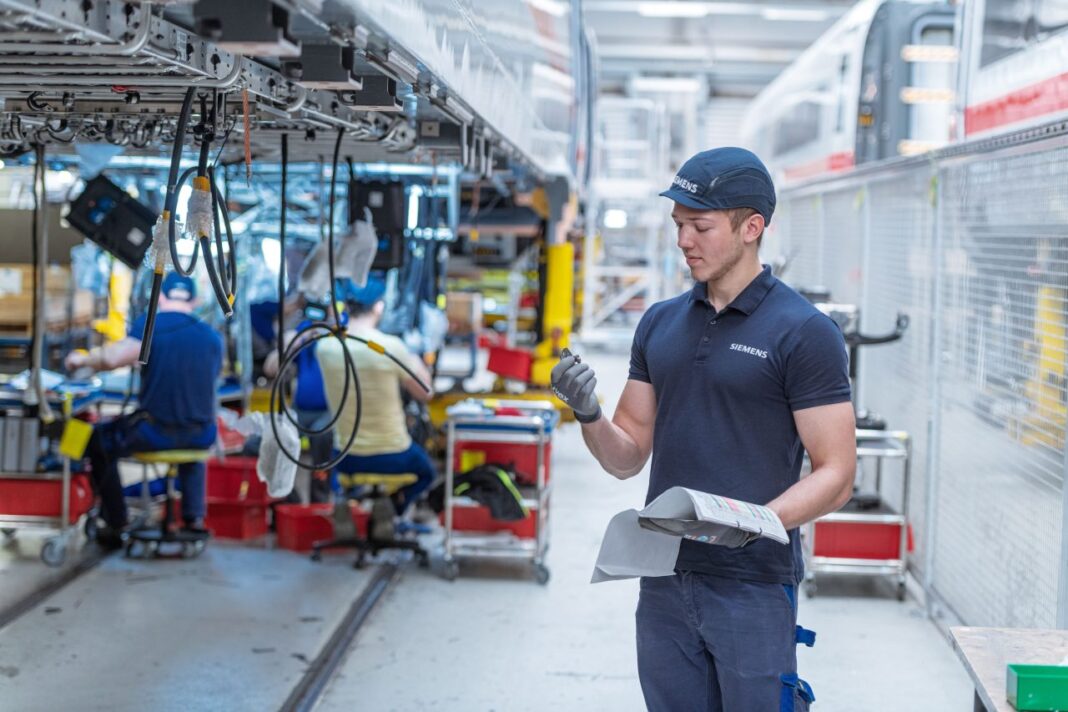
Picture a supervisor standing beside a machine, tablet in hand, trying to answer a simple question. Is the material for the next job staged? Which revision of the work instruction applies? How many pieces are left in this order? The answer exists somewhere in the plant’s systems. Getting to it, though, can mean opening a few screens, running a report, or walking to a desk. Shop floor teams are skilled problem solvers, and they’ve learned to find what they need. What’s exciting now is how many plants are making those answers show up on their own, so the people closest to the work can stay close to the work.
Why Quick Answers Matter So Much on the Floor
The shop floor moves at the speed of production. A line waiting for material is a line waiting. A question that takes ten minutes to answer can quietly turn into a longer pause, and those pauses add up across shifts and weeks.
Supervisors, operators, and material handlers ask a steady stream of practical questions. What’s next on the schedule? Where is this lot? Is this component approved for use? Did the last run finish within tolerance? Each question deserves a fast, reliable answer, and when those answers are easy to reach, the whole floor runs with more rhythm and less friction.
A Trusted System of Record Is the Foundation
Fast answers depend on information that people trust. In most plants, that information lives in the core business system, which keeps track of items, bills of materials, orders, inventory, routings, and schedules. A well-configured manufacturing ERP Software becomes the shared source that planning, purchasing, production, and quality all rely on.
When that foundation is accurate and well organized, great things become possible. The schedule on a supervisor’s screen matches what planning intended. Inventory counts line up with what’s on the shelf. Work instructions are tied to the right item and revision. Because everyone draws from the same source, conversations are shorter and decisions are easier.
Plants that have invested time in keeping their records clean, such as consistent item descriptions, accurate bills of materials, and clearly defined locations, often find this groundwork pays off in many ways. It makes daily work smoother today, and it prepares the plant for even more helpful tools tomorrow.
From Searching to Simply Asking
Even in a well-organized system, getting a specific answer can involve knowing which screen to open and which filters to apply. Experienced team members know the paths by heart. Newer team members may need a little longer to find their way, and everyone appreciates a shortcut.
This is where agentic AI in manufacturing is making a friendly difference. Instead of navigating screens, a team member can ask a question in plain language, such as “is the material for job 4521 staged,” or “what’s left on the current order for the bracket assembly.” A capable assistant can look up the relevant records, check the details across inventory, schedule, and order data, and reply with a clear answer.
Because these assistants can carry out a short series of steps, they can do more than fetch a single fact. They can compare what’s staged against what’s required, notice that one component is short, and suggest the nearest available location or a pending receipt that will cover it. They can prepare a pick request for the material handler and ask the supervisor to approve it with one tap.
The Team Stays in Charge
Plants appreciate that this approach works inside clear boundaries. Teams decide what the assistant can look up, which actions it may take on its own, and which ones need a person’s approval. Moving inventory, changing a schedule, or releasing a work order, for example, can be set to require confirmation from the right role. Every request and response is recorded, so it’s simple to see what was asked and what happened.
This clarity helps teams build comfort gradually. Many start with read-only questions and add small actions over time as they see how well things work.
What Teams Tend to Notice
Teams that try this approach often share a similar set of observations. Supervisors spend less time at desks and more time on the floor with their people. New hires get up to speed faster, because they can ask questions the way they would ask a colleague. Small delays shrink, because answers arrive in seconds. And planners notice fewer interruptions, because the floor can get routine answers on its own.
There’s a cultural benefit too. When information is easy to reach, people feel more connected to the plant’s goals. They can see how their work fits into the schedule, and they can act on that knowledge with confidence.
A Practical Way to Begin
For plants curious about this direction, a helpful first step is to gather a list of the questions the shop floor asks most often. Ask supervisors, leads, and material handlers what they look up several times a day. Choose a few that rely on accurate, current data, such as job status, material availability, and inventory locations.
Next, check that the records behind those questions are tidy. Clear item names, accurate locations, and up-to-date schedules make the answers more useful. Then start with a small pilot on one line or one shift, gather feedback, and refine. Early wins build trust and encourage more ideas from the team.
Closer to the Work
The best tools make skilled people more effective without getting in their way. When answers come to the shop floor instead of the other way around, supervisors can focus on coaching, operators can focus on quality, and the whole plant can focus on making a good product. For manufacturers ready to make information easier to reach, it’s a friendly step toward a more connected and confident floor.
About the Contributor
Nishkam Batta, Editor-in-Chief, HonestAI Magazine | AI Consultant, GrayCyan AI Solutions
Nish leads an applied AI company helping manufacturing and related companies automate operations with human-in-the-loop AI that integrates into ERPs, WMS, CRMs, and other enterprise tools, with an emphasis on explainable AI, clear audit trails, and measurable outcomes. His team builds agentic ERP systems that execute multi-step tasks inside approved guardrails so humans keep accountability, approvals, and override control.