Mention “spring break in Orlando” and most families picture the same thing: theme park wristbands, hours in line, and a week that’s more exhausting than relaxing. Orlando earns that reputation honestly (it’s home to some of the biggest parks in the world), but it’s also a city with a surprising amount to offer families who want their spring break to be more than just a queue-to-queue marathon.
Some of the best spring break memories don’t come from a roller coaster at all. They come from the moment a kid gets to hold a real fossil, watch a live animal demonstration, or trigger a hurricane simulator and finally understand what their science teacher was talking about. Here’s a look at why educational experiences deserve a spot on your spring break itinerary, and how to build a week kids will actually love.
Why Educational Stops Belong on a Theme Park Itinerary
Spring break in Orlando doesn’t have to be an either/or choice between theme parks and learning. Working an educational day or two into the week actually makes the whole trip better.
For one, it’s a built-in pace break. Theme parks are high-energy and high-stimulation for days on end; a museum or science center offers a change of rhythm that both kids and parents tend to welcome by day three or four. It’s also easier on the wallet and the waitlist — educational attractions rarely come with the ticket prices or crowd levels of the major parks, so a family can fit one in without blowing the budget or losing half a day to lines.
Most importantly, these experiences tend to be the ones kids actually remember. A themed ride is fun in the moment, but a hands-on exhibit that lets a child build something, test an idea, or interact directly with a live demonstration tends to stick, and it gives families something real to talk about on the drive home.
Orlando Science Center: The Spring Break Standout
If there’s one educational stop worth building a spring break morning or afternoon around, it’s the Orlando Science Center. Spread across four floors, it’s designed for exactly the kind of hands-on exploration that keeps kids engaged for hours rather than minutes.
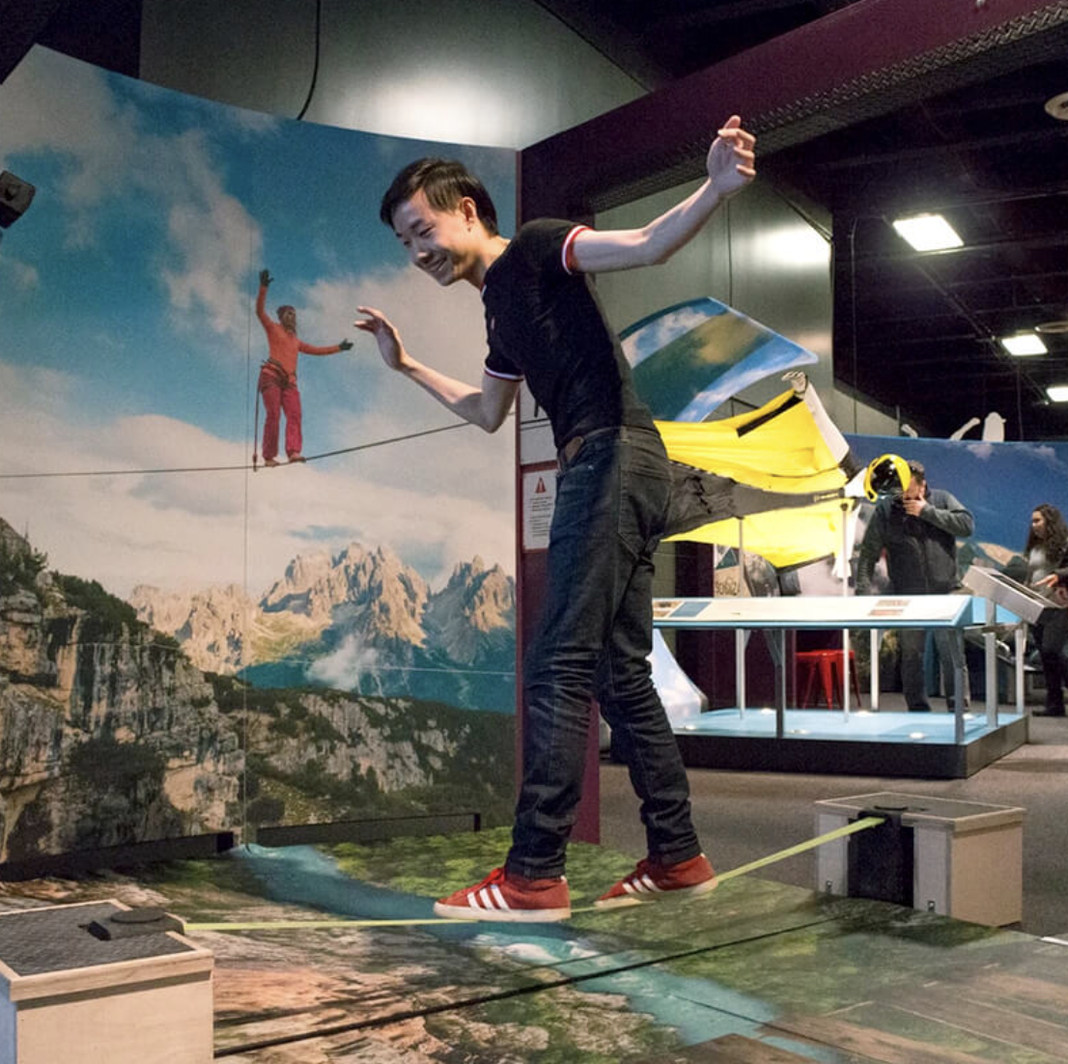
Young visitors can trigger a hurricane simulator and feel what tropical-storm-force winds actually feel like, get face-to-face with dinosaur fossils, or build and test simple machines in exhibits made to be touched, not just viewed. A daily planetarium show adds a dose of space science that’s hard to replicate anywhere else in the city, and a dedicated area for the youngest visitors means even preschoolers have a safe, age-appropriate space to experiment. For families juggling kids of different ages, that range matters: everyone finds something that holds their attention, not just the oldest or youngest in the group.
It’s also a refreshing change of pace mid-week: climate-controlled, far less crowded than the major parks, and built around curiosity rather than lines.
Rounding Out the Week: More Ways to Learn Beyond the Parks
Once you’ve built a science-focused day into the trip, a few other Orlando stops are worth considering to round out an educational spring break:
- Wildlife and nature preserves. Orlando’s surrounding wetlands and nature centers offer a close-up look at Florida’s native ecosystems: alligators, birds, and plant life kids won’t find in a textbook.
- Botanical gardens. A slower-paced but still engaging stop, good for teaching kids about plant life cycles and local horticulture while giving everyone’s legs a break from park walking.
- History and cultural museums. Orlando has museums dedicated to everything from local history to art, offering a different kind of learning than the hands-on science world.
Mixing a few of these into the week alongside a day or two at the theme parks gives spring break real variety, and gives kids a much broader set of memories than “we waited in line” to bring home.
Planning an Educational Spring Break Day
A little planning helps an educational stop fit smoothly into a theme-park-heavy week:
- Book an educational day mid-week. Placing it between two park days gives everyone a breather and avoids feeling like a “wasted” travel day.
- Go early. Spring break draws big crowds everywhere in Orlando, educational attractions included: an early arrival means shorter lines and better access to live demonstrations.
- Check what’s happening that week. Many Orlando attractions run spring-break-specific programming, so it’s worth browsing events in orlando before you go to see what’s scheduled during your visit.
- Budget real time. A rushed hour doesn’t do a hands-on museum justice — plan on at least half a day to let kids explore at their own pace.
Spring break in Orlando doesn’t have to mean choosing between fun and learning. With a little planning, a week built around theme parks and a few well-chosen educational stops gives kids the best of both: thrills during the day, and a few memories that outlast the sunburn.