Two children can read the same picture book aloud and sound equally capable, until a word they have never seen appears. One child sounds it out and keeps going. The other guesses from the picture, or stops. That moment separates a child who has memorized words from one who has learned to decode them, and it decides how far each will get.
Memorizing Has a Ceiling
A young child can memorize the shape of a few hundred words and get through the earliest books convincingly. The trouble is that the strategy runs out. Beginning readers lean on pictures, patterns, and guesswork, and all of that support disappears as books grow longer and the pictures drop away. A child relying on memory and context hits a wall once the text outpaces the words they have stored, and reading that looked strong early can stall not long after. Memorizing produces the look of reading before the ability is really there.
Decoding Has No Such Limit
Phonics teaches something different: the code that connects letters to sounds. A child who learns that code can sound out a word they have never encountered, because the letters themselves carry the instructions. New words stop being obstacles to memorize one at a time and become problems a child already has the tools to solve. Once the sound and symbol connection clicks, a reader is no longer capped by what they have already seen. The clearest signs that decoding is taking hold are practical:
- A child sounding out an unfamiliar word instead of guessing
- Reading made up or nonsense words correctly by their letters
- Slowing down on a new word rather than skipping past it
- Getting a word right with no picture to lean on
Building those habits takes repetition, and materials like Phonics Summer Workbooks give a child the steady, low pressure exposure that gets them there.
Practice Turns Effort Into Fluency
Decoding is slow and effortful at first, and steady practice is what changes that. At the start, a child sounds out each letter, blends the sounds, and only then recognizes the word, which takes real concentration. With enough repetition the decoding becomes automatic, and once a reader is no longer spending all their focus on sounding out, that attention is freed for understanding what the words actually mean. Fluency is not a separate skill so much as decoding worn smooth by practice.
Building on Play
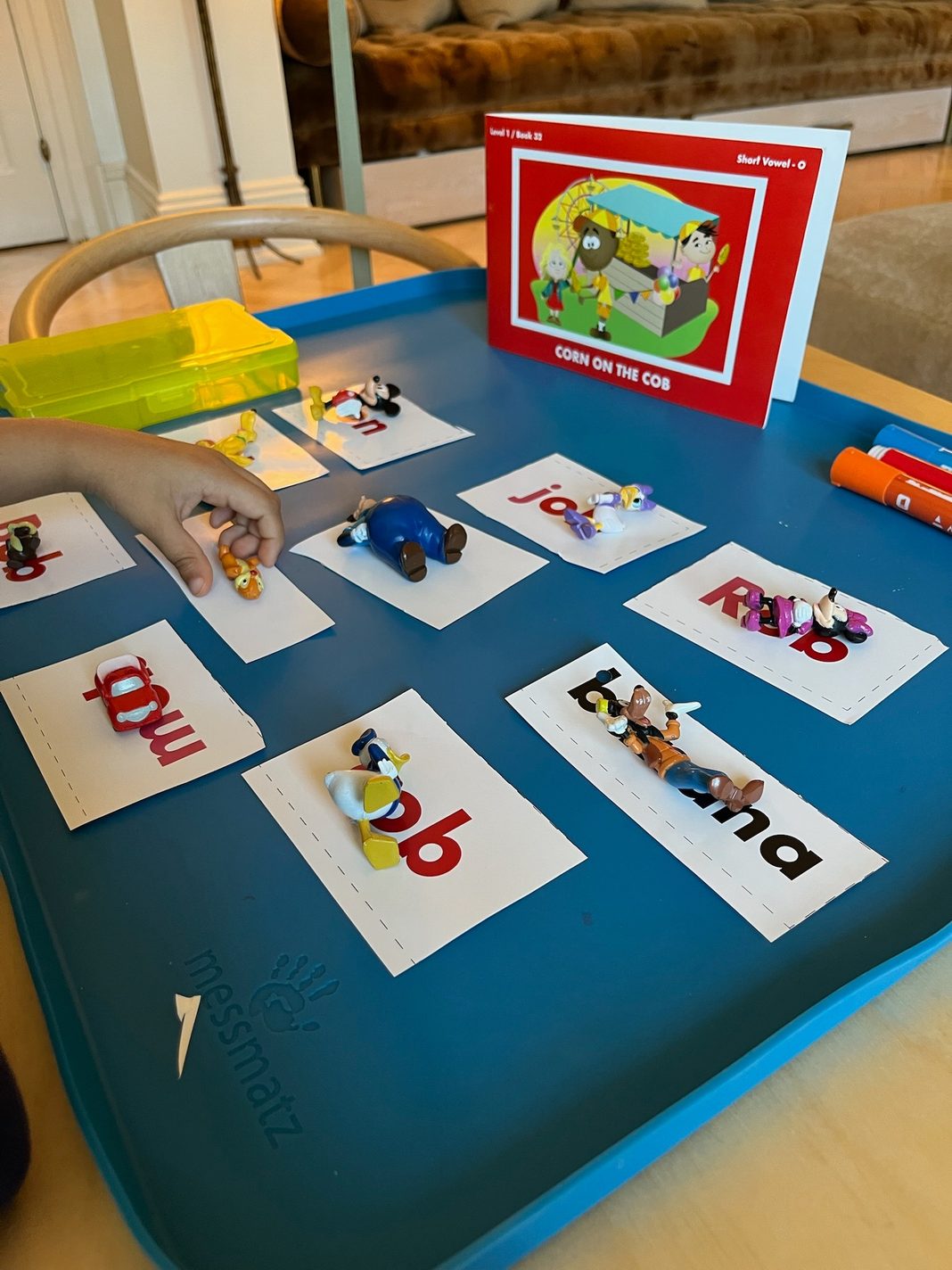
The catch with young children is that drills lose them fast. Practice that engages more than one sense at a time, using sound, color, and movement rather than rote repetition, holds their attention long enough for the skill to set. Programs built on early, play-based literacy tend to fold phonics practice into activities that feel like games, so a child builds the decoding habit without feeling drilled. The reading that lasts tends to be the kind a child was glad to practice.
A memorized word is useful once. A decoded word is a skill a child can apply to every word after it. The aim of early phonics is not a child who has learned a list, but one who has learned the system that makes the list unnecessary.