Think about the last time you filled a form for a child. School registration. A passport. A youth soccer league, maybe. Somewhere on it was probably a line asking for a birth certificate. Annoying, sure, but you dug it out of a folder and moved on.
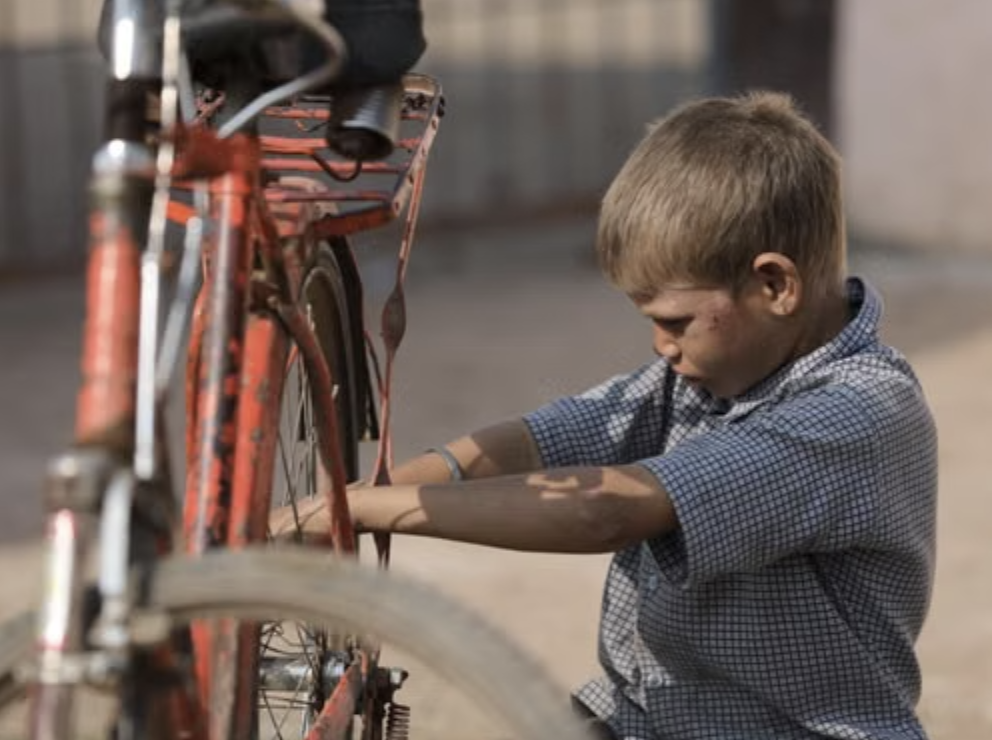
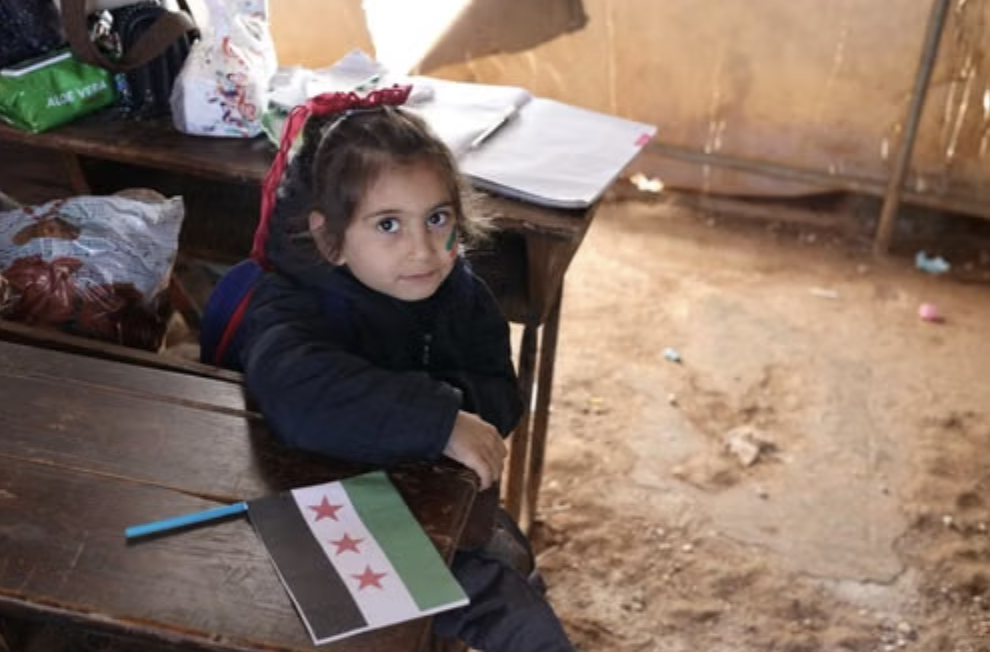
Now think about a family that left home with ten minutes’ notice. Nobody grabs the folder. Or they do, and it gets soaked, stolen, or left behind on a bus. Some children were born after the family fled, in a camp or a borrowed room where nobody was set up to write down that they’d arrived.
That’s the gap in birth registration for refugee children. It doesn’t seem like a crisis like hunger does, so nobody talks about it. But a child without papers can find schools, clinics and even basic legal protection closed to them and it happens far more often than most people imagine. This post dives into what that costs, why war causes it and what can be done.
Who’s missing from the count?
UNICEF’s latest global update says there are about 150 million unregistered children under five, and another 50 million plus registered but without a certificate, from December 2024. Good news is that the overall registration rate has crept up to 77%.
UNICEF says registration lays the groundwork for protection and for services like vaccines, healthcare and school. In other words, it’s the first step toward legal identity for children.
What a missing certificate costs
On paper, refugee children’s rights are pretty clear. They’re entitled to school, health care and safety. The trouble starts at the front desk. The person enrolling a child wants proof of who they are, and so does the nurse about to give a vaccine. A lot of the obstacles to access to education and healthcare for refugees boil down to someone asking for a document the family doesn’t have. Meanwhile the child falls a little further behind every year.
Protection gets less attention, and we did argue it matters most. If there’s no record of a child’s age or parents, it’s harder to stop an early marriage, harder to show that a child shouldn’t be working or recruited, and harder to reunite them with relatives after a separation. Child protection in conflict depends on basics like knowing who a child is.
How records go missing
Nobody’s being careless here. It usually comes down to a few things:
- Papers are lost, burned or left behind during flight
- Registry offices are destroyed or shut down.
- In some countries, nationality or registration is tied to the father, and in war a lot of fathers are missing or dead
- Registering can mean long trips, fees and paperwork that a displaced family just can’t handle
When it stops being a paperwork problem
Leave the gap open long enough and it gets harder to undo. A child with no proof of birth and no clear claim to any country’s nationality can end up recognized by no state at all. That’s statelessness in children. It can follow someone for life, getting in the way of school, jobs and travel long after the shooting stops.
What would fix it
The good news is that this is solvable. UNICEF also recommends making registration simpler, digital and tied to the health, education and social services families are already accessing.
Outreach matters too. Plenty of parents don’t realize registration is possible, or that it should be free. Solving birth registration for refugee children isn’t glamorous, but it doesn’t need a miracle.
Where War Child USA fits
War Child USA is a U.S.-based nonprofit that supports children affected by war through education, child protection and community-led recovery. Its protection work is based on a simple idea: rights are only useful to a child if people know the child exists. So it offers legal aid to children and women in need of protection, educates communities on children’s rights, and trains local officials who run justice systems.
Its education programs matter here too, because they give children who’ve fallen out of school a way back in. Birth records are one part of a bigger protection picture, and that bigger picture is what its teams work on day to day.
Conclusion
A birth certificate looks like admin. We think it’s closer to a key: it opens the school door, the clinic door, and the door to the legal system. If a kid doesn’t have one, they have to find another way in. And usually there isn’t one. That’s why it’s so important to get kids counted, even if it’s slow work and nobody throws a parade for it.
It takes fixing by governments willing to make the process simple, communities willing to spread the word, and organizations willing to stay on the ground after the headlines have moved on. If you want to help with that last part, you can learn more or give at War Child USA. And if the issue sticks with you, consider telling your representatives that child protection should have a steady place in humanitarian aid.