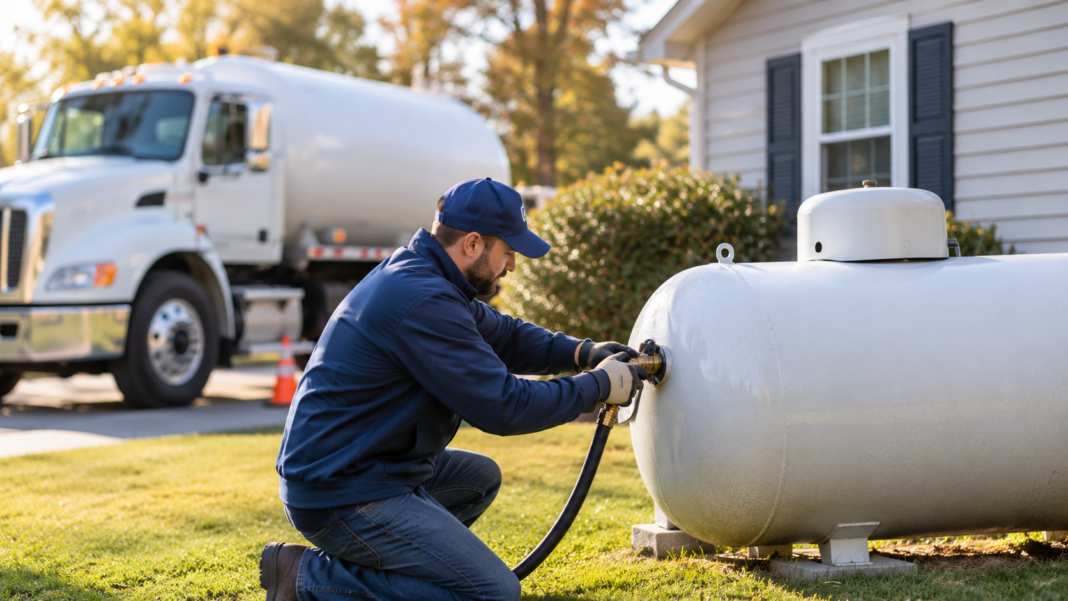
Propane can power heating, cooking, water systems, and other household appliances. Improper handling during delivery could potentially compromise household safety and damage equipment. Safe tank connections and monitoring of filling levels help reduce these risks during propane home delivery. Here are the safety regulations for propane home delivery:
Maintain Filling Limits
Propane tanks need space to expand as temperatures change. Filling beyond the permitted capacity increases internal pressure, which can stress tank components and increase the risk of leakage. During propane home delivery, trained technicians use tank gauges and appropriate filling procedures to control the amount dispensed.
Filling procedures also involve checking equipment before and during fuel transfer. Technicians monitor the process and stop when the tank reaches its approved capacity, with room to expand. A damaged gauge or a faulty valve requires professional attention before normal filling can continue. Following tank-specific instructions helps prevent overfilling and related pressure hazards.
Clear Delivery Areas
Site access affects delivery personnel’s ability to reach the tank and connect delivery equipment. Vehicles, furniture, gates, and other objects might obstruct the delivery process. A clear path provides technicians with space to perform their duties near tank connection points. The following measures help prevent potential problems with home deliveries:
- Keep vehicles away from the route between the truck and the tank.
- Provide gate codes in advance before delivery.
- Remove snow and ice from the area near the tank regulators, vents, and gas lines.
- Set up flags or stakes on tanks in case of heavy snow.
Keep pets inside while delivery personnel perform their duties. Propane delivery trucks need adequate access to your tank, so keeping the driveway clear helps technicians complete the fill safely by giving them room to park. This helps the process go by smoothly.
Protect Tanks During Weather
Severe weather poses hazards to above-ground tanks and equipment. Strong winds can damage improperly anchored tanks, while falling debris can damage exposed components. Snow accumulation can also conceal tank locations and block access to regulators or vents. After a storm, visible damage or unusual odors require prompt attention before proceeding with routine delivery.
Homeowners benefit from checking the tank area after severe weather. Remove loose debris from accessible areas, but do not touch valves or damaged components. If a tank appears displaced or its connections look damaged, contact a qualified propane professional. Professional inspection helps determine whether the system is safe to use.
Respond to Propane Leaks
Propane leaks require immediate action because something could ignite accumulated gas. The distinctive sulfur odor often signals a leak, although odor alone cannot establish whether the surrounding area is safe. If you suspect a leak, evacuate before investigating the source or attempting repairs. Emergency procedures help protect your household while trained responders address the hazard. Follow these steps if you suspect propane is leaking:
- Evacuate Immediately: Leave the building and move away from the affected area.
- Avoid Ignition Sources: Do not operate lights, electronics, or electrical switches near suspected leaks.
- Contact Emergency Services: Call local emergency responders from a safe location.
- Notify Your Supplier: Contact your propane provider once you’re safe.
- Wait for Clearance: Stay away until emergency personnel declare the area safe.
Follow Transport Requirements
Propane delivery starts with proper loading and adherence to the required transportation procedures. Drivers follow hazardous-material transportation rules governing propane loads between locations. Each jurisdiction sets vehicle requirements that delivery operators must meet.
Securing equipment helps prevent it from shifting during transport. Damage to the valves or connections can create a potential leak point, especially on equipment subject to impact during loading. Delivery personnel adhere to approved handling procedures, and equipment is checked when appropriate.
Planning the delivery route is also a key determinant of transportation safety. Your property should be accessible to drivers, and you should be aware of any restrictions on vehicle movement within your site. Clear directions help drivers locate your tank without unnecessary vehicle movement. By planning ahead, you can minimize unnecessary handling hazards at home.
Learn More About Propane Home Delivery
Homeowners can minimize delivery problems and have a consistent household fuel supply by preparing ahead of the season. By checking tank levels, you can identify shortages and schedule tank orders in advance for periods of high demand. Weather checks also determine access or damage even before technicians arrive. Contact a qualified propane supplier before the heating season to review your tank’s condition and prepare for safe propane delivery to your home.