3D printing has transformed the way individuals and businesses design, develop, and manufacture products. From simple decorative objects to functional prototypes and customized components, modern 3D printers make it possible to turn digital designs into physical models. However, achieving excellent results depends on selecting the right printing material. Among the available options, PLA Filament remains one of the most popular choices because of its easy handling, reliable printing characteristics, and versatility.
Understanding the differences between traditional PLA and enhanced materials such as PLA+ can help users make better decisions. Whether someone is a beginner exploring 3D printing or an experienced designer working on detailed projects, choosing suitable filament is essential for consistent results.
What Is PLA Filament?
PLA, short for polylactic acid, is a thermoplastic commonly manufactured using renewable plant-based resources. It is widely used in fused deposition modeling (FDM) 3D printers, where heated filament passes through a nozzle and is deposited layer by layer to create an object.
One of the main reasons PLA Filament is popular is its straightforward printing process. It generally requires lower printing temperatures than many engineering plastics and has relatively low shrinkage, helping reduce warping during printing.
PLA is commonly used for educational models, decorative objects, architectural designs, prototypes, and customized accessories. Its smooth surface finish and ability to reproduce fine details make it particularly useful for projects where appearance matters.
Understanding the Different Types of PLA
Not all PLA materials offer identical characteristics. Manufacturers develop different formulations to meet specific printing requirements.
1. Standard PLA
Standard PLA is suitable for everyday printing tasks. It is easy to use, produces attractive surface finishes, and works with many FDM printers.
It is commonly selected for miniatures, display models, prototypes, and educational projects. However, standard PLA can be relatively brittle in some applications, particularly when printed objects experience sudden impacts.
2. PLA+
PLA+ is an enhanced formulation designed to improve certain mechanical properties of traditional PLA. Depending on the manufacturer, these improvements may include better toughness, impact resistance, and layer adhesion.
For users who need more durable prints without moving to complicated engineering materials, PLA+ can be a practical alternative.
It also retains many of the convenient characteristics of standard PLA, making it suitable for beginners and experienced printing enthusiasts.
Important Factors When Choosing PLA Filament
Strength and Durability
The mechanical requirements of a project should influence material selection. Decorative models may not require significant strength, while functional prototypes and frequently handled objects may benefit from improved toughness.
Enhanced PLA formulations can provide better resistance to breaking compared with standard PLA. Buyers should review manufacturer specifications to understand the material’s actual performance.
Printing Temperature
Every filament has a recommended temperature range. Using temperatures that are too low can cause poor extrusion and weak layer bonding, while excessive heat may affect surface quality and dimensional accuracy.
For example, eSUN PLA+ recommends an extruder temperature of approximately 210–230°C. Following the manufacturer’s guidelines helps users achieve more consistent printing results.
Surface Quality and Detail
Surface appearance is another important consideration. A good-quality filament should provide consistent extrusion and accurate layer formation.
This is particularly important for architectural models, product demonstrations, miniatures, and decorative objects. Smooth surfaces and clean details can reduce the amount of additional finishing required.
Printer Compatibility
Before purchasing filament, users should check their printer’s supported material diameter and recommended operating conditions.
Most standard FDM printers support PLA-based materials, but temperature requirements, cooling performance, and maximum printing speeds can differ between machines.
Color Selection
Color availability matters for customized products, artistic projects, and commercial printing. A wide selection allows users to create models that match particular design requirements without extensive painting or finishing.
Popular Applications of PLA and PLA+
PLA-based materials are used in many industries and creative environments.
Education: Schools and universities use PLA Filament to create engineering demonstrations, science models, architectural structures, and robotics components.
Product Prototyping: Designers can transform digital concepts into physical prototypes, helping them evaluate shapes, dimensions, and overall product appearance before manufacturing.
Creative Projects: Artists and hobbyists can produce sculptures, miniatures, cosplay accessories, decorative items, and personalized gifts.
Electrical and Electronics: PLA materials can be used for prototype enclosures, cable organizers, mounting accessories, and customized housings when their mechanical and temperature properties meet the application’s requirements.
Small Businesses: Customized product manufacturers can use PLA to create display pieces, personalized accessories, and small-batch products with detailed designs.
Tips for Better 3D Printing Results
Choosing quality filament is only one part of achieving successful prints. Proper printer preparation and material handling are equally important.
First, ensure that the printing surface is clean and properly leveled. Good first-layer adhesion helps prevent models from shifting during printing.
Second, adjust nozzle temperature according to the filament manufacturer’s recommendations. Small test prints can help identify the best settings for a particular printer.
Third, maintain suitable cooling and printing speeds. Excessively fast printing may affect surface quality if the printer cannot maintain consistent material flow.
Finally, store filament in a sealed container or dry storage bag. Moisture exposure can affect extrusion consistency and printed surface quality. When necessary, follow the manufacturer’s recommended drying instructions.
Why Consider eSUN PLA+?
When selecting a reliable printing material, manufacturer experience, technical specifications, and product consistency deserve attention.
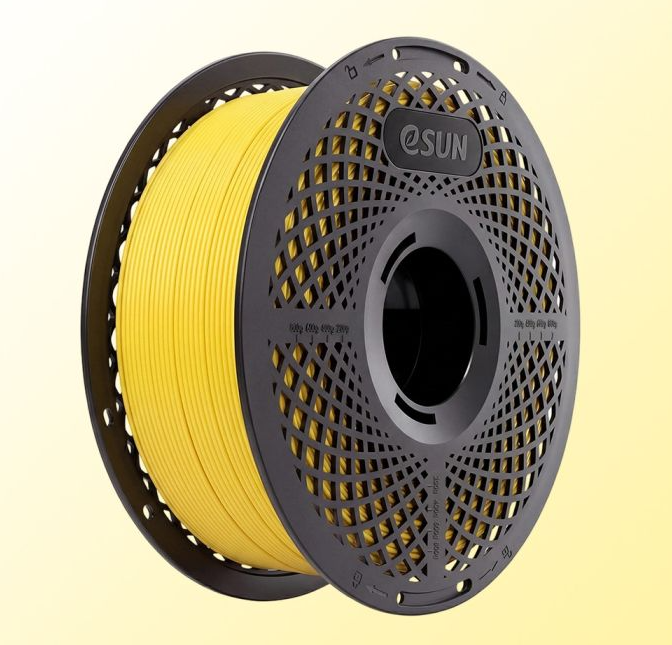
eSUN offers PLA+ designed to provide improved toughness, smooth extrusion, accurate details, and reliable printing performance. Its product is available in a 1.75 mm diameter and 1 kg spool, with more than 40 color options.
The material is designed for applications such as prototyping, creative projects, and electrical and electronics development. Its recommended printing temperature is 210–230°C, with a heated bed temperature of 45–60°C.
Users interested in exploring enhanced PLA materials can visit the official eSUN PLA+ Filament product page to review product specifications, available colors, and printing recommendations.
Conclusion
Choosing the right PLA Filament is an important step toward achieving consistent and attractive 3D printing results. Standard PLA offers convenience and excellent printability, while enhanced options such as PLA+ provide additional toughness and durability for applications that require improved mechanical performance.
By considering strength, printing temperature, surface quality, compatibility, and manufacturer recommendations, users can select a material that matches their project requirements. With suitable filament and properly configured equipment, both beginners and professionals can explore the full potential of modern 3D printing.