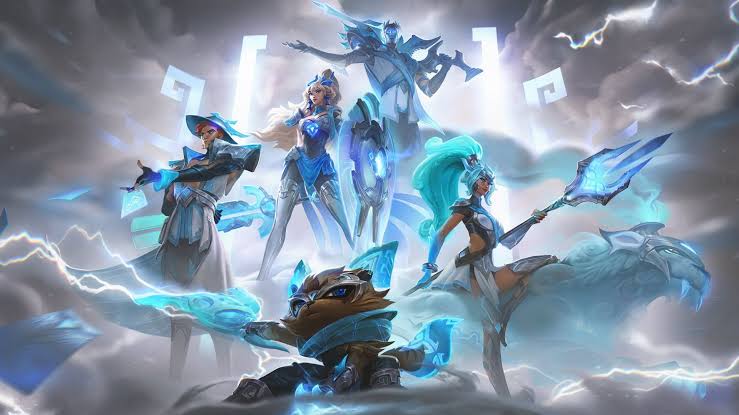
Artificial intelligence is changing the way people create, edit, and experience visual content. From digital marketing campaigns to social media graphics, AI-powered technologies are making creative processes faster and more accessible. One of the most exciting developments is the AI Image Generator, which allows users to transform simple ideas into attractive digital artwork without requiring advanced graphic design skills. These innovative tools are opening new opportunities for designers, artists, content creators, and businesses.
As digital platforms continue to grow, the demand for unique and engaging visuals is increasing. AI image generation technology helps meet this demand by providing creative solutions that save time, reduce production costs, and encourage experimentation.
Understanding the Role of AI Image Generators
An AI Image Generator is a technology that uses artificial intelligence and machine learning to produce images based on user instructions. Instead of creating every visual element manually, users can describe what they want and allow the software to generate an image.
These platforms can produce different types of artwork, including realistic photographs, illustrations, abstract designs, product visuals, and artistic compositions. Users can experiment with different styles, colors, backgrounds, and creative concepts to achieve their desired results.
This technology is especially useful for individuals and businesses that need professional-looking visuals but have limited design resources. It makes digital creativity more accessible to beginners while offering experienced designers additional tools to improve their workflows.
How Text-to-Image Technology Works
One of the most important innovations in modern visual design is Text-to-Image technology. This approach allows users to create images simply by entering written descriptions, commonly known as prompts.
For example, someone might enter a description of a futuristic city at sunset, a beautiful natural landscape, or a modern product advertisement. The AI system analyzes the instructions and generates a visual representation based on the supplied information.
The quality of the final image often depends on how clearly the user describes the desired result. Including details about lighting, composition, colors, artistic styles, and backgrounds can help produce more relevant visuals.
Text-to-Image technology offers several advantages:
- Simple image creation: Users can turn written ideas into visuals without advanced technical knowledge.
- Faster production: Creative concepts can be explored in less time than traditional design processes.
- Greater experimentation: Users can generate multiple variations and compare different artistic approaches.
- Creative flexibility: Different styles and visual elements can be explored through updated prompts.
- Improved accessibility: Beginners can participate in digital art creation without extensive design experience.
These benefits make AI-powered image creation an increasingly valuable part of modern digital workflows.
Transforming the Creative Design Industry
Traditional graphic design often requires considerable time, technical expertise, and specialized software. Designers may spend hours developing concepts, selecting suitable images, adjusting colors, and refining individual elements.
AI-powered solutions are changing this process by helping creators generate initial concepts quickly. Rather than starting with a completely blank canvas, designers can use generated visuals as inspiration or as a foundation for further editing.
For example, a marketing professional can explore several advertising concepts before choosing the most suitable direction. Similarly, website designers can generate visual ideas that complement a brand’s identity and overall appearance.
AI tools do not eliminate the importance of human creativity. Instead, they provide additional possibilities that allow designers to focus more on storytelling, originality, and visual communication.
Applications of AI-Generated Images in Digital Marketing
Digital marketing depends heavily on attractive visuals to capture attention and communicate messages effectively. Businesses use images across websites, social media platforms, advertisements, email campaigns, and promotional materials.
AI image generation can support these activities in several ways.
Social Media Content: Content creators can develop eye-catching visuals for posts, stories, and promotional campaigns. Different concepts can be tested to identify designs that appeal to specific audiences.
Website Graphics: Businesses can create custom illustrations, backgrounds, and supporting images that match their website’s visual identity.
Product Marketing: Companies can explore creative product presentations and advertising concepts without immediately arranging expensive photography sessions.
Branding Materials: AI-generated visuals can provide inspiration for promotional banners, campaign graphics, and other branding elements.
Advertising Campaigns: Marketing teams can experiment with different visual approaches to develop engaging advertisements for various platforms.
By integrating AI-generated visuals into their strategies, businesses can explore new creative opportunities while improving content production efficiency.
Benefits for Designers, Artists, and Content Creators
AI image generation is useful for more than commercial marketing. Independent artists, bloggers, educators, and digital creators can also benefit from these technologies.
For freelance designers, AI tools can help with brainstorming and developing early design concepts. Bloggers can create relevant illustrations for articles, while educators can explore visual materials that make complicated subjects easier to understand.
Another important benefit is creative experimentation. Artists can explore different artistic directions, combine unusual concepts, and discover inspiration that might otherwise take considerable time to develop.
These technologies can also help small businesses compete in visually demanding digital markets by providing more affordable ways to explore professional-looking creative content.
Challenges and Considerations in AI Image Generation
Although AI image generation offers many advantages, users should understand its limitations. Generated images may sometimes contain inaccurate details, unusual proportions, or visual elements that do not match the original instructions.
Copyright, licensing, and responsible use are also important considerations. Businesses should review the terms of the platforms they use and ensure that generated content is suitable for their intended commercial purposes.
Human review remains essential. Designers should carefully evaluate generated images, make necessary adjustments, and ensure that the final visuals communicate the intended message.
Another consideration is originality. Simply generating an image does not automatically create a strong visual identity. Effective design still requires thoughtful planning, creative direction, and an understanding of the target audience.
The Future of AI-Powered Visual Creativity
The future of digital design will likely involve closer collaboration between artificial intelligence and human creativity. As these technologies improve, users may gain access to more advanced customization options, improved image quality, and better control over generated visual elements.
AI-powered platforms are also expected to become increasingly useful for professional workflows, allowing creators to develop concepts, refine images, and produce visual content more efficiently.
For businesses, these developments could create new opportunities to personalize marketing materials and deliver engaging visual experiences. For individual artists, they may provide additional ways to explore creative ideas and expand artistic possibilities.
Conclusion
AI image generation is transforming digital creativity by making visual content production faster, more flexible, and accessible to a wider audience. From Text-to-Image technology to advanced design applications, these innovations are changing how individuals and businesses approach visual communication.
An AI Image Generator can help creators explore new concepts, develop engaging graphics, and improve their creative workflows. Although human imagination and professional judgment remain essential, artificial intelligence is becoming a valuable partner in modern design. As the technology continues to evolve, it will play an increasingly important role in shaping the future of digital creativity and visual design.