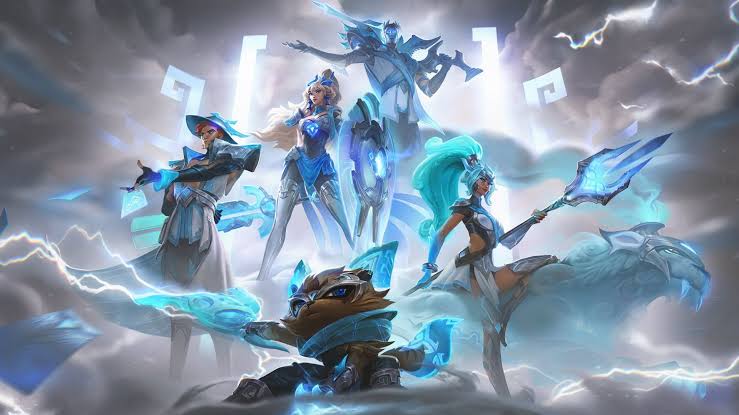
The online gaming industry is continuously evolving as new technologies and player expectations reshape digital entertainment. Modern games offer much more than traditional gameplay, allowing users to customize characters, collect exclusive accessories, and participate in interactive virtual communities. Among the most popular developments are Gaming Skins, digital collectibles, and virtual marketplaces that provide additional ways for players to enjoy their favorite games.
These features have transformed gaming into a broader digital experience where creativity, personalization, and community participation play important roles. As gaming platforms introduce new technologies and business models, virtual assets are becoming an increasingly significant part of the industry. Understanding these developments provides valuable insight into what the future of online gaming may look like.
The Growing Popularity of Gaming Skins
Gaming Skins have become one of the most recognizable forms of digital customization. They allow players to change the appearance of characters, weapons, vehicles, and other in-game objects without necessarily changing their performance or abilities.
Many popular games offer different skin collections, including seasonal designs, special event outfits, limited-edition appearances, and themed cosmetic upgrades. These options give players the freedom to create unique gaming identities.
For some users, collecting skins is just as entertaining as completing missions or competing against other players. A rare appearance or exclusive design can make a gaming profile more distinctive and memorable.
Developers also benefit from cosmetic customization because it creates opportunities to introduce fresh content. Regular releases and themed collections encourage players to explore new features while maintaining interest in established games.
Digital Collectibles Are Changing Gaming Culture
Digital collectibles have become another important element of modern gaming culture. These virtual assets may include character accessories, collectible cards, decorative equipment, special effects, and other items that players can unlock or obtain through supported platforms.
The appeal of digital collectibles comes from their variety and personalization opportunities. Players can build collections based on their interests, achievements, and favorite gaming experiences.
Some collectibles are associated with particular events or seasons, making them available for a limited period. This can increase community interest and encourage players to participate in special activities.
Collecting also creates opportunities for social interaction. Gaming communities frequently discuss exclusive items, share screenshots, and exchange information about newly released collections.
As online communities continue to expand, digital collectibles are likely to remain an important part of how players express themselves within virtual environments.
Understanding Game Item Trading
Game Item Trading refers to the exchange of eligible digital assets between players through systems supported by specific gaming platforms. Depending on the game, users may be able to exchange cosmetic skins, accessories, collectible cards, and other virtual items.
Trading systems can create additional opportunities for players who want to discover different digital assets without relying entirely on traditional in-game rewards.
Some games operate official marketplaces where users can explore available items and complete transactions under established rules. Other platforms provide direct trading features that allow players to exchange supported assets with one another.
However, trading policies vary significantly between games. Certain developers restrict item transfers, while others allow exchanges under specific conditions. Players should always understand the relevant platform rules before participating in any transaction.
The Role of Virtual Marketplaces
Virtual marketplaces have become important destinations for players interested in digital gaming assets. These platforms may provide access to cosmetic upgrades, collectible items, downloadable content, and other virtual products.
A reliable marketplace generally offers product descriptions, availability information, and transparent pricing. These details help users compare different options and make more informed purchasing decisions.
Official marketplaces may also provide transaction protection and account-related security features. However, not every third-party website is authorized by game developers.
Players should carefully investigate a marketplace before using it. Checking platform policies, understanding payment requirements, and verifying item compatibility can help reduce potential risks.
As the gaming industry develops, marketplaces may introduce improved search tools, personalized recommendations, and more efficient trading experiences.
How Technology Is Transforming Virtual Gaming Assets
Technological innovation is creating new possibilities for digital customization and virtual collectibles. Modern graphics engines allow developers to produce more detailed textures, realistic environments, and visually impressive cosmetic designs.
Artificial intelligence may also influence the future of gaming content. Developers could use AI-assisted design tools to explore new character appearances, create additional cosmetic variations, and develop more personalized visual experiences.
Cloud gaming is another important development. It allows users to access supported games through internet-connected devices without always depending on traditional high-performance gaming hardware.
As gaming services become more connected, players may benefit from improved access to digital content across different devices. Nevertheless, compatibility and asset transfers will continue to depend on individual platform policies.
Why Players Value Exclusive Gaming Items
Exclusive digital assets often attract attention because they provide something different from standard in-game content. Limited-edition Gaming Skins, special event accessories, and achievement-based collectibles can make a player’s collection more distinctive.
Some players enjoy obtaining rare designs because of their visual appeal, while others appreciate the connection between an item and a particular gaming event.
These collectibles can also become part of a player’s gaming history. An item earned during a memorable tournament or seasonal event may represent an important achievement.
However, rarity does not automatically mean that an item has financial value. Availability, demand, platform restrictions, and marketplace policies all influence how digital assets are treated.
Security and Responsible Virtual Item Trading
As digital marketplaces become more popular, account protection and responsible trading practices are increasingly important.
Players should always use trusted services and avoid transactions that appear suspicious. Unusually low prices, unexpected payment requests, and offers requiring account passwords can indicate potential scams.
Several precautions can help create a safer trading experience:
- Choose reliable platforms: Use official marketplaces or services recognized by game developers.
- Verify item information: Check descriptions, compatibility, and transfer conditions before completing transactions.
- Protect login details: Never share passwords or sensitive account information with unfamiliar individuals.
- Enable account security: Use strong passwords and two-factor authentication whenever available.
- Review trading policies: Make sure transactions comply with the game’s official rules.
- Keep transaction records: Save receipts and confirmations when purchasing eligible digital assets.
These practices help players protect their accounts and enjoy virtual marketplaces more confidently.
Future Opportunities for Gaming Communities
The future of online gaming will likely involve deeper connections between customization, digital collections, and social interaction. Developers are exploring ways to make virtual environments more interactive while providing players with additional creative options.
Gaming Skins may become more advanced through animated appearances, customizable visual effects, and detailed personalization features. Digital collectibles could also become more closely connected with community achievements, special events, and multiplayer activities.
Meanwhile, Game Item Trading may continue to develop through better marketplace experiences and improved transaction systems where supported.
Gaming communities will remain central to these changes. Players influence trends through their interests, feedback, and participation, encouraging developers to introduce content that reflects their expectations.
Conclusion
The future of online gaming extends beyond traditional entertainment. Gaming Skins, digital collectibles, and Game Item Trading are creating new opportunities for customization, collection, and community engagement.
As technology advances, these features will likely become more sophisticated and integrated into modern gaming platforms. Developers that prioritize security, fair policies, and enjoyable customization experiences will be better positioned to meet changing player expectations.
For gamers, understanding virtual assets and responsible trading practices can make the digital gaming experience more rewarding. With continued innovation, digital collectibles will remain an exciting part of the industry’s evolution.