Independent home goods retailers operating in mid-size and smaller markets face a sourcing challenge that larger chains rarely encounter: finding wholesale inventory that is both consistent in aesthetic and reliable in supply. This is especially true in the French country category, where the style depends on a coherent visual language — aged finishes, natural materials, muted palettes, and hand-crafted or hand-crafted-adjacent construction. A single mismatched shipment can break the narrative a retail floor is trying to build.
The French country aesthetic has remained a stable commercial category in the US home goods market for well over two decades. Unlike trend-driven styles that spike and fall, it appeals to a buyer demographic that values permanence and quality over novelty. For independent retailers, that stability is useful. It means reorder cycles are more predictable, and customer loyalty around the style tends to be stronger. The sourcing challenge, however, is real. Not all wholesale suppliers understand what the style actually requires, and inconsistent product quality is one of the most common complaints among buyers in this segment.
This guide is intended for retail buyers, shop owners, and boutique interior trade professionals who are actively sourcing in this category. It covers how to evaluate suppliers, what operational factors matter most, and how to build a sustainable wholesale relationship that supports a coherent product offering on the floor.
Understanding the Category Before You Source
Sourcing wholesale french country home decor requires more than finding a vendor who uses the term in their product descriptions. The category has real visual and material standards that experienced buyers recognize immediately and less informed ones often miss. French country as a decorative style is rooted in the rural interiors of southern France — Provence in particular — and carries a specific material vocabulary: linen and cotton textiles with subtle pattern work, ceramic and stoneware with hand-applied glazes, furniture with distressed or whitewashed finishes, wrought iron accents, and natural wood in unpolished or lightly sealed forms.
When evaluating a wholesale supplier, buyers looking for wholesale french country home decor should pay close attention to whether the supplier has actually curated their inventory around this visual standard or simply labeled a broad collection of European-adjacent goods as French country. The distinction matters commercially because customers who shop in this category are typically knowledgeable. They notice when product lines feel inconsistent, and inconsistency at the retail level often traces directly back to inconsistency at the wholesale level.
What Visual Coherence Means in Practice
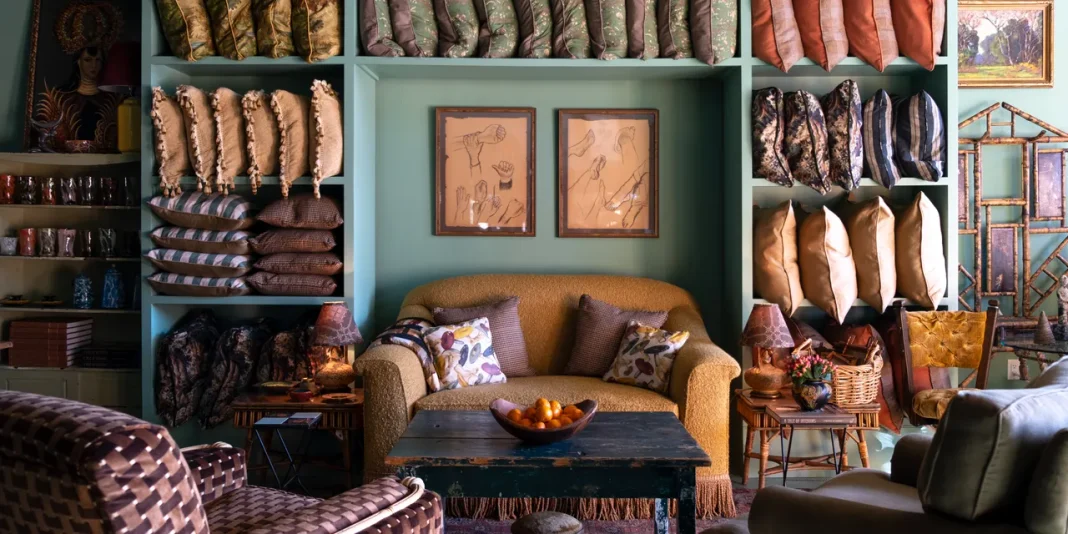
Visual coherence in this context is not about matching sets or monolithic color schemes. It refers to the sense that different products in a retail display share a common design logic — that a ceramic pitcher, a linen table runner, and a wrought iron candle holder could plausibly have come from the same regional tradition. Wholesale suppliers who understand this will organize their catalogs accordingly, grouping items by finish family, material type, or era reference rather than simply by product category.
Retailers who build their inventory around visually coherent wholesale sources find that their floor space works harder. Customers spend more time browsing because adjacent products feel related rather than random. This translates directly into higher average transaction values, not because of any promotional strategy, but because the environment itself encourages complementary purchases.
Types of Wholesale Suppliers in This Category
The wholesale supply chain for French country home decor in the US is not uniform. Suppliers fall into several distinct operational types, each with different strengths, limitations, and minimum order requirements. Understanding which type fits your retail model is the first step toward a productive sourcing relationship.
Importers and Distributors with Domestic Warehousing
These suppliers source product directly from manufacturers in France, Portugal, Italy, and increasingly Vietnam and India — countries with established production capabilities in this aesthetic — and hold inventory in US-based warehouses. For independent retailers, this model offers meaningful advantages: shorter lead times, lower minimum order quantities in many cases, and the ability to reorder mid-season without a three-month wait. The trade-off is that product selection is limited to what the importer has already committed to, and the buyer has no influence over what enters the catalog.
When evaluating this supplier type, it is worth asking directly about their reorder availability for specific SKUs. Some importers carry deep stock on core items and shallow stock on seasonal additions. Knowing this before placing an initial order helps avoid the frustration of building a display around a product that disappears after the first shipment.
Trade Show Vendors and Showroom-Based Wholesalers
Trade shows such as the Atlanta Market, Las Vegas Market, and AmericasMart remain primary sourcing channels for independent retailers in the home goods space. According to the International Housewares Association, these events continue to draw significant wholesale buyer attendance despite the growth of online sourcing platforms. French country suppliers are typically well-represented in the home accents, tabletop, and soft goods sections of these shows.
Showroom-based relationships offer something that online catalogs do not: the ability to assess product quality in person before committing to an order. Finish quality, material weight, and craftsmanship details are all significantly easier to evaluate when you can handle the item. For a style category where surface quality is central to the product’s appeal, this matters. Many buyers in this space maintain a hybrid sourcing model — using trade shows for initial evaluation and qualification, then shifting to online reorder portals once the relationship is established.
Direct-to-Retailer Online Wholesale Platforms
The growth of curated wholesale platforms has made it easier for smaller retailers to access suppliers who previously required higher volume commitments. Some of these platforms organize their inventory by style category, which makes it more efficient to find products that fit a specific aesthetic without combing through unrelated listings. The risk in this channel is that product photography can be misleading, and return policies for wholesale orders are often restrictive. Ordering samples before committing to full quantities is standard practice and worth the upfront cost.
Evaluating Supplier Reliability Beyond Product Quality
Product quality is the most visible factor in a wholesale sourcing decision, but it is rarely the only one that determines whether a supplier relationship works over time. Reliability — in fulfillment, communication, and inventory accuracy — has a significant operational impact on how a retail store functions month to month.
Fulfillment Consistency and Lead Time Transparency
Inconsistent fulfillment is one of the most common operational problems independent retailers report with wholesale suppliers. This includes orders arriving with substituted items, shipments split across multiple deliveries without advance notice, and stated lead times that do not reflect actual processing time. For a small retail operation without significant back-stock space, these issues have a direct impact on floor presentation and, in some cases, on commitments made to customers who pre-ordered or placed custom requests.
When evaluating a new supplier, asking for references from comparable retailers is reasonable and most established wholesalers will accommodate the request. It is also worth asking specifically how the supplier handles backorder situations — whether they notify buyers proactively, hold partial orders until complete, or ship what is available and follow up. Each approach has different implications for how you manage receiving and floor planning.
Minimum Order Requirements and Reorder Flexibility
Minimum order quantities in the French country wholesale category vary considerably. Some importers set minimums by dollar value, others by unit count, and others by assortment requirements — meaning you may need to order across a defined range of SKUs to qualify for wholesale pricing. For retailers who are building out a new category or testing French country for the first time, high minimums represent real financial risk.
Suppliers who offer tiered minimums — with higher minimums tied to better pricing rather than access — tend to be more compatible with independent retail operations. This structure allows smaller buyers to enter the relationship at a manageable volume and scale up as the category performs. It also signals that the supplier has experience working with retail buyers at different stages of category development, which generally correlates with better overall service.
Building a Coherent Buying Strategy Around a Single Aesthetic
Buying wholesale french country home decor effectively over time requires more than identifying good suppliers. It requires a buying strategy that maintains aesthetic coherence across different product categories — textiles, ceramics, furniture, accents — while managing inventory turnover and seasonal variation in a way that keeps the floor fresh without abandoning the visual story the store is telling.
Anchoring the Assortment Around Core Items
Retailers who perform well in this category typically identify a small group of core products — items that sell consistently, reorder reliably, and serve as visual anchors on the floor — and build the rest of their assortment around those anchors. These might be a consistently available linen collection, a ceramic line with a stable glaze finish, or a furniture piece that defines the room display. Everything else in the assortment should feel related to those anchors, not competing with them.
This approach reduces the risk that comes from trend-chasing within the category. It also makes supplier relationships more productive, because consistent reorders of specific items give the supplier better visibility into your buying patterns, which often translates into better service and, over time, better access to new product introductions before they hit broader distribution.
Managing Seasonal Buying Without Overcommitting
The French country aesthetic has natural seasonal variations — lighter linens and botanical prints in spring and summer, warmer textiles and earthier ceramics in fall and winter — but these shifts should be managed carefully. Overcommitting to seasonal items at the expense of core inventory is a common mistake, particularly among retailers who are new to the category and eager to keep the floor looking current.
A reliable rule among experienced home goods buyers is to weight seasonal purchasing toward accessories and textiles, which are lower in unit cost and easier to turn, and to keep furniture and larger ceramic pieces in core, year-round inventory. This balances the visual interest of seasonal updates with the financial predictability of consistent-selling staples.
Conclusion
Sourcing wholesale french country home decor in the US is a manageable task when approached with clear criteria and realistic expectations about the supplier market. The category is stable enough to support a long-term retail strategy, but it rewards buyers who take the time to evaluate suppliers carefully — not just on product quality, but on fulfillment reliability, minimum order flexibility, and the degree to which their catalog actually reflects the aesthetic standard the category requires.
Independent retailers who succeed in this space tend to work with a small number of carefully selected suppliers rather than casting a wide net across many sources. This focused approach makes it easier to maintain visual coherence on the floor, simplifies the reorder process, and builds the kind of supplier relationships that result in better service and early access to new product. The sourcing work done upfront — evaluating vendors, testing product quality, and establishing clear fulfillment expectations — is directly proportional to how smoothly the category operates once it is established.
For buyers who are still early in the process of identifying reliable sources of wholesale french country home decor, the most practical starting point is a combination of in-person trade show evaluation and direct engagement with curated importers who specialize in this style. The category is established enough that reliable suppliers exist. Finding the right ones is largely a function of knowing what to look for and asking the right operational questions before placing the first order.