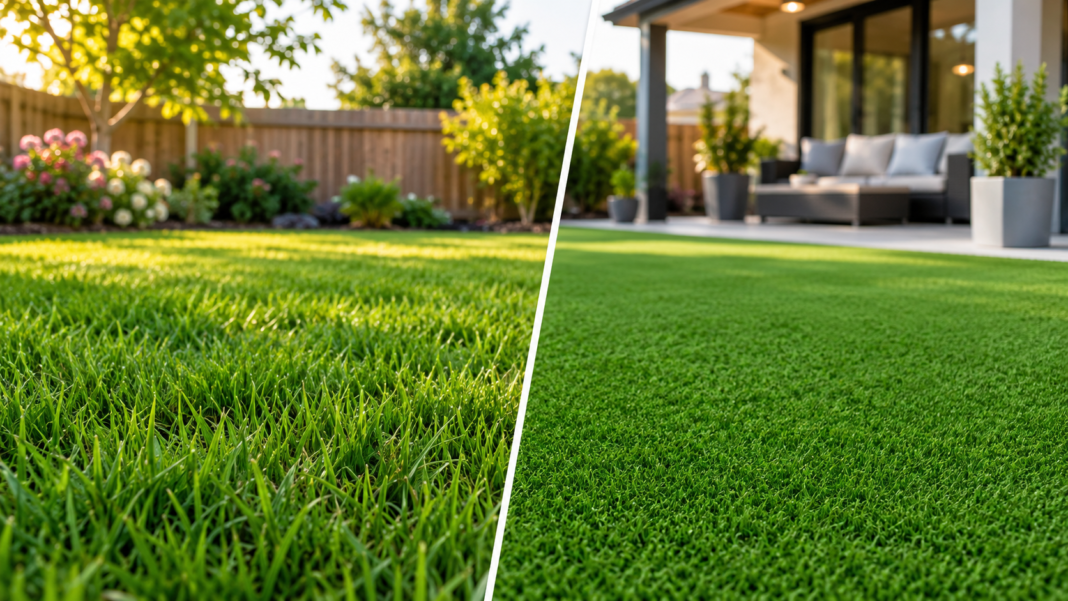
Picture your backyard on a Saturday morning: lush, green, and perfectly even. For some homeowners, that image comes with a lawn mower, fertilizer bags, and a sprinkler schedule. For others, it comes with a one-time installation and very little upkeep afterward. The debate between artificial grass and natural turf has quietly become one of the most practical landscaping conversations of the decade, especially as water costs climb and schedules get tighter. This article lays out the real differences across cost, maintenance, environmental impact, and long-term performance so you can make a genuinely informed decision.
How the Two Options Actually Compare at a Glance
Before going deep on any single factor, it helps to see the two options side by side. The table below summarizes the most commonly compared attributes. Keep in mind that actual numbers will vary based on your region, grass species, turf quality, and yard size.
| Factor | Natural Grass | Artificial Grass |
| Upfront cost (installed) | $0.50 to $2 per sq ft (seed) or $1 to $4 (sod) | $8 to $20 per sq ft |
| Annual maintenance cost | $500 to $1,500+ per year | $100 to $300 per year |
| Water usage | High (20,000+ gallons/year for average lawn) | Near zero after installation |
| Lifespan | Indefinite with proper care | 10 to 20 years |
| Appearance in drought | Browns and dies without irrigation | Stays green year-round |
| Pet and play durability | Prone to bare patches and mud | Highly resistant to wear |
| Heat retention | Stays relatively cool | Can get hot in direct sun |
| Environmental inputs | Fertilizer, pesticides, mowing fuel | Plastic materials, some off-gassing concerns |
The True Cost of Each Option Over Time
Artificial grass carries a noticeably higher upfront price tag, and that stops many homeowners before they even get a quote. Installed costs typically range from $8 to $20 per square foot depending on the pile height, backing material, and regional labor rates. A 1,000-square-foot backyard could easily run $10,000 to $15,000 fully installed with base preparation and infill.
Natural grass appears far cheaper to start, but the ongoing costs add up quickly. The average American household spends roughly $500 to $1,500 per year on lawn care, according to data cited by the National Association of Landscape Professionals. That figure includes mowing, fertilizing, weed control, overseeding, and irrigation. Stretched over a decade, a natural lawn can easily exceed the total cost of an artificial installation, particularly in warmer climates where year-round maintenance is necessary.
The break-even point for most homeowners falls somewhere between six and ten years, depending on yard size and local service costs. After that crossover, artificial grass begins generating real savings. For households that hire a lawn care service rather than doing the work themselves, the math often tips toward synthetic turf even sooner.
Water Use: A Factor That Matters More Than Ever
Residential irrigation accounts for roughly one-third of all residential water use in the United States, and a significant share of that goes directly to lawns. The U.S. Environmental Protection Agency estimates that the average American household uses about 320 gallons of water per day, with outdoor irrigation making up 30 percent or more in many suburban households. In drier states like California, Arizona, and Nevada, outdoor water use can represent more than half of total household consumption.
Artificial grass uses virtually no water once it is installed. Occasional rinsing to remove dust or pet waste is all that is typically needed. For homeowners in drought-prone regions, or in areas where tiered water pricing makes heavy irrigation expensive, this single factor can justify the higher installation cost on its own. Some municipalities have even introduced rebate programs specifically to encourage residents to replace natural grass with synthetic alternatives as part of water conservation initiatives.
Natural grass, on the other hand, can be a surprisingly thirsty plant. Kentucky bluegrass, one of the most common cool-season varieties, requires about one to 1.5 inches of water per week during the growing season. For a 2,000-square-foot lawn, that translates to roughly 2,500 gallons per week in the absence of meaningful rainfall. Warm-season grasses like Bermuda or St. Augustine tend to be somewhat more drought-tolerant, but they still require consistent irrigation in many climates to maintain appearance.
Maintenance Requirements and Day-to-Day Reality
One of the most underestimated advantages of artificial grass is what it removes from your schedule. No mowing, no edging, no fertilizing, no seasonal overseeding. For families with young children, pet owners dealing with muddy paws, or anyone who simply does not enjoy yard work, this reduction in routine labor is significant.
Artificial turf is not entirely maintenance-free, though. Leaves and debris still accumulate and need to be cleared. Infill material, usually crumb rubber, sand, or organic alternatives like cork, can compact over time and may need occasional redistribution or topping up. Pet owners need to rinse the surface regularly to prevent odor buildup, and some find that enzyme-based cleaners help manage this effectively.
Natural grass demands consistent attention across all four seasons in most climates. Spring brings fertilizing and pre-emergent weed treatments. Summer means mowing weekly or more and managing irrigation. Fall calls for aeration, overseeding, and leaf management. Winter in colder climates involves dormancy care and preventing soil compaction from foot traffic. For homeowners who genuinely enjoy gardening and outdoor care, this rhythm can feel rewarding. For those who view it as a chore, it can feel relentless.
Performance With Pets, Kids, and Heavy Use
High-traffic areas are where natural grass tends to struggle most visibly. Dog runs, play areas, and backyard sports spaces can turn a natural lawn into a patchy, muddy mess within a single season. Regrowing those bare spots requires time, seed, and favorable conditions, and in some cases the foot traffic resumes before the grass has a chance to recover.
Artificial grass handles repetitive impact significantly better. Quality synthetic turf products are designed to withstand heavy use without developing bare patches or becoming uneven. Installers who specialize in this area, such as Go Turf Artificial Grass & Pavers, often pair turf installations with permeable paver systems, which is a practical combination for pet owners or families who want defined zones for different activities in the same outdoor space.
One legitimate concern for families with young children is heat retention. Artificial turf can get noticeably hot in direct summer sun, sometimes reaching surface temperatures well above ambient air temperature. Studies have recorded synthetic turf surfaces exceeding 150 degrees Fahrenheit on hot, sunny days, which is enough to cause discomfort or even burns on bare feet. Shaded installations or those in cooler climates experience this issue far less. Some newer turf products incorporate heat-reduction technologies in the fiber design, but it remains a real consideration for anyone in a sun-heavy environment.
Environmental Considerations Worth Knowing
The environmental picture for both options is more complicated than it might initially appear. Natural grass, when managed responsibly without excessive fertilizer or pesticide use, supports soil microbiomes, absorbs carbon, and provides habitat for insects and birds. Grass root systems also help reduce stormwater runoff. These are genuine ecological benefits that artificial surfaces cannot replicate.
However, the environmental cost of maintaining a conventional natural lawn is also real. Gas-powered lawn mowers contribute to air pollution. Synthetic fertilizers can leach into waterways. Excessive irrigation in water-scarce regions places strain on shared resources. The picture is not as clean as it might seem on the surface.
Artificial grass is made primarily from polyethylene or polypropylene, which are petroleum-based plastics. At the end of its lifespan, disposal presents a challenge because most synthetic turf is not easily recyclable through standard channels. Some manufacturers have developed take-back programs or recyclable product lines, but these remain the exception rather than the rule. For environmentally conscious buyers, it is worth asking installers directly about end-of-life options before committing to a product.
Key Questions to Ask Before Making a Decision
Every yard, household, and climate is different. The right choice for a family in Phoenix with two dogs and a small yard may be entirely different from the right choice for a homeowner in the Pacific Northwest with a large shaded lawn and mild summers. Before deciding, it helps to work through a focused set of questions.
- How much water does your area receive naturally, and what does irrigation cost locally?
- Do you have pets or children who will use the lawn heavily throughout the year?
- How much time are you realistically willing to spend on lawn maintenance each week?
- Is your yard mostly shaded or exposed to direct sun for most of the day?
- What is your budget for both upfront installation and ongoing annual costs?
- Are there local rebates or water district incentives for replacing natural grass?
- What is the expected lifespan and warranty of any artificial turf product you are considering?
- How do you feel about the environmental trade-offs of each option given your specific situation?
Artificial grass is not the right answer for every homeowner, and natural grass is not simply an outdated choice. Each option has a clear set of strengths and genuine limitations. The goal of this comparison is not to push a verdict but to give you the information needed to match the right surface to your specific yard, lifestyle, and priorities. When those align, whichever option you choose is likely to serve you well for years to come.