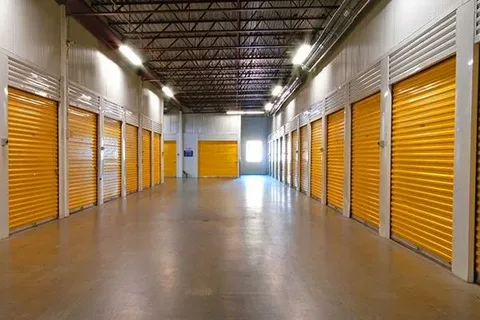
Living in Dubai often means making the most of the space you have. One month, your apartment feels perfectly organized. Next, you’ve got extra furniture, moving boxes, seasonal belongings, and hardly any room to walk around.
That’s where self-storage dubai services can make life easier. Instead of selling things you still need or squeezing everything into cupboards, you can keep your belongings in a separate storage space until you’re ready to use them again.
Whether you’re moving between apartments, renovating your home, travelling abroad, or running out of office space, choosing the right storage facility can save you money, reduce clutter, and make everyday life more manageable.
What Is Self Storage in Dubai?
Self storage is a service that allows individuals and businesses to rent space for belongings they don’t have room for at home or work.
Storage facilities offer different arrangements, from individual units you can access yourself to managed warehouses where staff handle the collection and retrieval of your items.
The rental period depends on your needs. Some people need space for a few weeks during a move, while others store furniture, household goods, or business inventory for several months.
Unlike keeping everything in a spare room or garage, a professional storage facility is designed specifically for storing goods. Depending on the provider, it may include surveillance cameras, controlled entry, indoor storage areas, and additional protection against environmental conditions.
However, facilities aren’t all managed the same way. It’s worth checking what security and access arrangements are actually included before booking.
Why Self Storage Matters for Dubai Residents
Space becomes a problem surprisingly quickly, especially when living arrangements change.
An extra sofa might not seem like much until you’re moving into a smaller apartment. The same goes for boxes of family belongings, children’s furniture, or equipment you only use occasionally.
For people searching for personal storage dubai, the biggest benefit is having somewhere practical to keep these items without making a permanent decision about them.
More Space Without Moving to a Bigger Home
Renting a larger apartment simply to accommodate belongings you rarely use can be expensive.
A separate storage unit may be a more economical option, particularly when you only need additional room for a limited period.
Easier Home Renovations and Relocations
Painting, flooring work, and kitchen renovations become harder when furniture is constantly in the way.
Moving bulky items into temporary storage gives contractors room to work and helps protect furniture from dust and accidental damage.
Better Organization for Small Businesses
Dubai’s small businesses often deal with limited space for products, packaging materials, and archived records.
Keeping nonessential inventory in a suitable storage facility can free up valuable office or retail space without requiring a larger commercial property.
Types of Self Storage Services Available in Dubai
Not every storage solution is suitable for every item. The best option depends on what you’re storing, how frequently you need access, and how long the belongings will remain there.
1. Furniture Storage
Furniture storage is useful when relocating, renovating, or temporarily moving abroad.
Sofas, dining tables, wardrobes, and beds may require protective wrapping and careful positioning. Wooden furniture and upholstered items can also be sensitive to prolonged exposure to heat and moisture.
Choose a facility that provides appropriate storage conditions and ask how larger items are handled.
2. Household and Personal Storage
This option suits everyday belongings such as clothes, books, luggage, kitchenware, decorative items, and household equipment.
It’s especially useful for apartment residents who need to clear space without giving away belongings they intend to use again.
3. Climate-Controlled Storage
Dubai experiences intense summer heat and humidity, so storage conditions deserve serious attention.
Climate-controlled storage can be useful for sensitive items, including wooden furniture, certain electronics, artwork, and documents.
However, climate control doesn’t automatically guarantee protection. Ask whether the facility controls temperature, humidity, or both, and whether environmental conditions are monitored.
4. Business and Commercial Storage
Businesses may need additional space for stock, office furniture, promotional materials, or archived paperwork.
Before choosing a commercial storage unit, confirm whether deliveries are accepted, how inventory can be retrieved, and whether the facility permits your specific category of goods.
5. Short-Term and Long-Term Storage
Short-term storage works well for temporary moves, renovations, and travel.
Long-term storage may suit people living overseas or businesses keeping materials they don’t need regularly.
The main difference is the rental commitment. Some providers offer flexible monthly arrangements, while others may provide different rates for longer bookings.
How to Choose the Right Self Storage Facility in Dubai
Booking storage shouldn’t be complicated, but choosing a unit without checking the details can create unnecessary expenses.
Follow these steps before making a payment.
Step 1: Make a List of Everything You’re Storing
Start with a basic inventory.
Count the boxes, measure large furniture, and identify anything fragile or sensitive to temperature.
For example, a few suitcases and ten cartons need a very different amount of space from a full bedroom set.
Step 2: Estimate the Storage Space Required
Storage companies may measure space in square feet, square metres, or cubic metres.
Ask how the provider calculates capacity and whether the quoted space includes room for access.
If you plan to visit regularly, leave enough room to reach boxes without unloading the entire unit.
Step 3: Compare Locations
Storage locations in areas such as Al Quoz, Dubai Investment Park, and other industrial districts may suit different customers depending on travel distance and access requirements.
Don’t choose a facility solely because the advertised rent looks cheap.
A slightly more expensive location may be worthwhile if it saves repeated journeys or expensive transportation.
Step 4: Inspect Security and Storage Conditions
Before booking, ask about:
- CCTV surveillance and building access controls
- Fire detection and safety arrangements
- Pest management and general cleanliness
- Temperature and humidity management
- Staff supervision and access procedures
- Insurance options and coverage exclusions
If possible, visit the facility or request recent photographs of the actual storage area.
Step 5: Request a Complete Written Quotation
Ask for the total cost, including any transport, packing, handling, insurance, deposit, and applicable VAT.
Also confirm the minimum rental period, cancellation notice, payment schedule, and charges for accessing or retrieving goods.
Step 6: Pack and Label Your Belongings
Use sturdy cartons, wrap fragile items individually, and label each box clearly.
Keep an inventory and photograph valuable belongings before placing them in storage.
If the facility is managed rather than self-access, confirm how collection and retrieval requests work.
How Much Does Self Storage Cost in Dubai?
Storage prices vary considerably, so a single advertised monthly rate won’t tell you the complete cost.
The final amount usually depends on the space required, facility location, rental period, storage conditions, and additional services.
| Pricing Factor | How It Affects the Cost |
| Storage size | Larger units generally cost more |
| Location | Convenient or high-demand locations may command higher rates |
| Climate control | Managed temperature and humidity can increase operating costs |
| Rental duration | Longer commitments may qualify for discounts |
| Collection and delivery | Transport, loading, and unloading may be charged separately |
| Insurance and packing | Optional protection and materials can increase the total |
For a realistic comparison, request quotations from at least three providers using the same inventory and rental period.
A cheaper monthly rate isn’t always the better deal. For instance, a facility charging less for storage but considerably more for collection and retrieval might end up costing more overall.
Common Self Storage Mistakes to Avoid
Many storage problems begin before the belongings even reach the facility.
Choosing space based on guesswork: Underestimating your requirements can leave furniture squeezed into unsuitable spaces or result in an unexpected upgrade.
Ignoring storage conditions: An ordinary warehouse may be unsuitable for delicate furniture, photographs, or moisture-sensitive belongings.
Forgetting access restrictions: Some facilities allow direct access during specified hours, while managed warehouses require advance notice.
Not checking prohibited items: Food, flammable liquids, hazardous materials, and other restricted goods may be prohibited. Always request the facility’s permitted-items policy.
Assuming everything is insured: Security cameras and locked premises don’t automatically mean your belongings have insurance coverage.
Skipping the contract: Renewal terms, payment deadlines, and retrieval charges can become frustrating if you discover them after signing.
A few questions at the beginning can prevent a much bigger problem later.
Expert Tips for Keeping Stored Belongings in Good Condition
Good storage starts with preparation.
A carefully packed item is easier to transport, locate, and retrieve, even after several months.
- Clean and dry furniture first. Trapped moisture can encourage unpleasant odours and mould.
- Use breathable protection where appropriate. Avoid sealing moisture-sensitive furniture in unsuitable plastic for extended periods.
- Keep heavy boxes at the bottom. Lighter, fragile cartons should sit above them.
- Disassemble large furniture. Remove table legs or bed frames when practical, and keep fittings in clearly labelled bags.
- Protect electronics properly. Use original packaging where possible and check the manufacturer’s storage recommendations.
- Keep essential documents accessible. Passports, original certificates, and frequently needed records are better kept somewhere you can reach easily.
One useful habit is to number your boxes instead of relying on labels such as “miscellaneous.”
Keep a matching inventory on your phone. When you need something months later, you’ll know exactly which carton contains it.
Conclusion
Finding an extra room in Dubai doesn’t always mean moving to a bigger property or getting rid of useful belongings.
The right storage solution gives you flexibility during a relocation, more breathing room at home, and somewhere suitable for things you aren’t ready to part with.
Before choosing a provider, think about how much space you genuinely need, whether your belongings require specific environmental conditions, and how often you’ll want to retrieve them.
Looking for a practical storage solution in Dubai? Start by preparing a simple inventory and requesting a detailed quotation from a reputable facility. Compare security, access, storage conditions, and the total cost rather than focusing on the advertised monthly price alone.
That little bit of preparation can help you find storage that fits both your belongings and your budget.