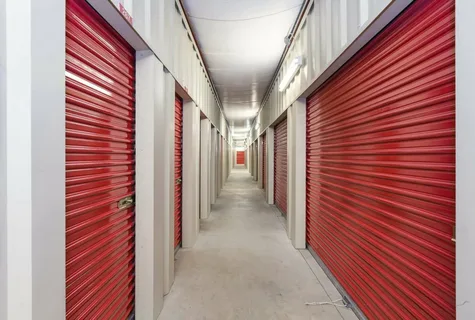
Living or running a business in Dubai often means making the most of limited space. Furniture begins filling spare rooms, seasonal belongings take over cupboards, and business inventory can quickly turn a tidy workspace into a crowded one.
That’s where self storage dubai becomes a practical option. Instead of moving to a larger property or getting rid of things you still need, you can keep them in a dedicated storage space and retrieve them when required.
Whether you’re renovating an apartment, relocating your office, or managing growing business stock, choosing the right facility can save space, protect your belongings, and make everyday life easier. This guide explains the available options, important safety features, pricing factors, and what to check before signing a storage agreement.
What Is Self Storage in Dubai?
Self-storage is a service that allows individuals and businesses to rent dedicated space for their belongings. Depending on the provider, customers may choose individual storage units, shared storage arrangements, or managed warehouse facilities.
Unlike keeping everything at home or in the office, a storage facility provides additional space without requiring a permanent property upgrade.
For example, someone moving from a three-bedroom villa to a smaller apartment might need somewhere to keep extra furniture. Rather than selling perfectly good items, they can store them until they’re needed again.
The same idea works for companies. Small business storage gives online sellers, retailers, and service providers somewhere to keep inventory, promotional materials, archived files, or spare equipment without renting an entire warehouse.
However, access policies, handling services, and security arrangements vary between facilities. Understanding these differences matters before booking.
Why Self Storage Matters in Dubai
Dubai has a mix of apartment living, villa communities, commercial offices, and growing online businesses. Each creates different storage requirements.
Make Better Use of Your Existing Space
A crowded apartment doesn’t always mean you need a bigger home.
Removing rarely used furniture, packed suitcases, and seasonal decorations can free up valuable space. For businesses, relocating unused equipment can make offices more comfortable and organised.
Protect Belongings During Relocation
Moving dates don’t always line up perfectly.
Your tenancy may end before your new property is ready, or office renovations might take longer than expected. Temporary storage helps bridge that gap without rushing important decisions.
Avoid Unnecessary Property Expenses
Renting a larger apartment, shop, or office simply to accommodate extra belongings can be costly.
A suitably sized storage unit may offer a more economical alternative, especially when you only need additional space for a few months.
Keep Business Operations Organised
An online clothing seller, for example, may need space for cartons, packaging supplies, and seasonal stock.
Keeping these materials separate from daily operations makes inventory easier to organise and can reduce unnecessary clutter.
Types of Self Storage Services Available in Dubai
Not every storage facility offers the same services. The best choice depends on what you’re storing, how often you’ll need it, and how long you plan to keep it there.
Personal Storage Units
Personal storage is suitable for household belongings such as clothing, luggage, books, decorations, and small appliances.
It’s particularly useful for apartment residents, students, and people temporarily relocating within the UAE.
Furniture Storage
Furniture requires careful handling because wooden surfaces, upholstery, and delicate fittings can suffer damage when packed incorrectly.
A suitable furniture storage arrangement should consider protective wrapping, ventilation, stacking restrictions, and appropriate space between items.
Where possible, dismantling large beds and tables can reduce storage requirements.
Business and Inventory Storage
Businesses often need additional space before they’re ready to invest in larger commercial premises.
Storage facilities may accommodate:
- Retail inventory and packaged merchandise
- Office furniture and spare equipment
- Exhibition stands and marketing displays
- Business records and archived documents
- Packaging supplies and non-hazardous materials
Some providers also offer collection, delivery, or inventory-handling services, although these shouldn’t be assumed to be included.
Short-Term Storage
Short-term arrangements work well during property renovations, moving delays, and temporary office changes.
Before booking, check the minimum rental period and whether ending the agreement early creates additional charges.
Long-Term Storage
Long-term storage is appropriate for belongings you don’t expect to use regularly.
For longer periods, it’s especially important to consider humidity protection, packaging quality, pest prevention, insurance, and the facility’s maintenance practices.
How to Choose the Right Storage Unit in Dubai
Finding a suitable unit involves more than comparing monthly rates.
Follow these steps to make a sensible decision.
1. Prepare an Inventory
Write down everything you plan to store.
Include furniture dimensions, carton quantities, appliances, and awkwardly shaped belongings. A simple inventory helps providers recommend an appropriate unit size.
2. Estimate the Space You Need
Storage capacity may be advertised in square feet, square metres, or cubic metres.
Floor area alone doesn’t tell the whole story. The height of your belongings, safe stacking limits, and access space also affect usable capacity.
Ask the provider to confirm internal dimensions rather than relying entirely on labels such as small, medium, or large.
3. Compare Locations
Convenience becomes important when you need regular access.
If your home or workplace is in Business Bay, Jumeirah, Al Barsha, or Dubai Marina, travelling across the city every week could become frustrating.
For belongings you rarely retrieve, a more distant facility may be reasonable if the overall cost is lower.
4. Inspect Security and Building Conditions
Before committing, check whether the facility has:
- CCTV monitoring and controlled access
- Suitable fire detection and protection arrangements
- Clean, dry, well-maintained storage areas
- Appropriate ventilation or climate control
- Clear procedures for authorised entry
Ask how security operates outside normal business hours.
5. Request a Detailed Written Quote
A useful quote should explain the rental period, unit size, applicable taxes, security deposit, access charges, transport fees, and cancellation conditions.
Don’t rely on a verbal promise if the amount or service matters to your decision.
6. Review the Agreement Before Moving In
Check who is responsible for damage, which items are prohibited, whether insurance is included, and how much notice is required to leave.
Also confirm what happens if a payment is late.
How Much Does Self Storage Cost in Dubai?
Storage prices vary considerably. Without a live quotation from a specific provider, there’s no reliable single monthly rate that applies across Dubai.
The main pricing factors include:
| Pricing factor | How it affects your cost |
| Unit size | Larger spaces generally cost more |
| Location | Central and highly accessible facilities may charge a premium |
| Rental duration | Longer contracts may qualify for discounts |
| Climate control | Temperature-managed spaces can cost more |
| Access requirements | Extended access or special handling may affect charges |
| Collection and delivery | Transport and loading may be charged separately |
| Insurance | Optional or mandatory coverage can increase the total |
Understand the Total Cost
Imagine two facilities offering the same advertised monthly rent.
One includes basic access and handling equipment. The other charges separately for collection, loading assistance, and insurance.
The first option might work out cheaper even though their headline prices appear identical.
In the UAE, the standard VAT rate is 5%, and it generally applies to taxable storage services. Confirm whether the quoted amount includes VAT before comparing offers.
For the most accurate estimate, send providers an inventory and request an itemised quotation covering the full rental period.
Common Mistakes to Avoid When Renting Storage
A few avoidable mistakes can lead to extra expenses or damaged belongings.
Choosing the Cheapest Facility Without Inspecting It
Low prices can be attractive, but storage conditions matter.
Look beyond the advertisement. Visit the facility where possible, inspect the available unit, and understand what protection measures are actually provided.
Renting Too Much Space
An oversized unit creates an ongoing expense.
Measure bulky belongings and discuss the layout with the storage provider before selecting a unit.
Packing Everything in Unlabelled Cartons
Without clear labels, finding one important item can become a lengthy job.
Label cartons by contents and room, and keep a digital inventory.
Storing Prohibited or Sensitive Items
Flammable materials, hazardous chemicals, perishable food, and certain batteries may be restricted or prohibited.
Never assume a facility will accept an item just because it fits inside a carton.
Ignoring Climate Conditions
Dubai’s heat makes storage conditions especially important for electronics, wooden furniture, artwork, documents, and delicate materials.
Climate-controlled facilities may be worth considering for sensitive belongings, but you should verify the actual environmental conditions offered.
Expert Tips for Keeping Stored Belongings in Good Condition
Good storage preparation starts before the moving vehicle arrives.
Clean and dry everything first. Even a small amount of trapped moisture can cause problems during long-term storage.
Use suitable protective materials. Furniture blankets, clean covers, sturdy cartons, and appropriate cushioning can reduce scratches and movement damage.
Keep heavy items at the bottom. Place strong, well-sealed cartons underneath lighter belongings. Don’t stack heavy boxes on fragile furniture.
Create a simple layout. Frequently used items should remain near the entrance where facility rules and unit dimensions allow.
Keep important paperwork accessible. Passports, essential legal documents, and urgently needed personal records are generally better kept somewhere you can access immediately.
Photograph valuable belongings. Photos taken before packing can help with inventory management and potential insurance claims.
For commercial users, an additional tip is to record stock quantities when items enter or leave storage. A basic spreadsheet can prevent confusion as inventory changes.
Conclusion
Choosing storage in Dubai shouldn’t be complicated, but it does deserve careful thought.
The right facility offers enough space, reasonable access, suitable protection, and rental terms that match your actual requirements. Whether you’re clearing a spare bedroom, preparing for a move, or organising business inventory, these details make a difference.
Before booking, compare facilities, inspect storage conditions, and request a written quotation with all charges explained.
Ready to reclaim your space? Contact a reputable Dubai storage provider, share your inventory, and ask for a storage recommendation tailored to your belongings and rental period. A little preparation now can save unnecessary costs and complications later.
READ ALSO: Luggage Storage Dubai for Tourists and Business Travellers