
Establishing the True Spending Ceiling Before Booking
Calculating Available Capital: Savings, Income, and Contributions
To build a solid financial foundation, you must first define your hard budget ceiling. Do not rely on guesswork. Instead, aggregate your funds into three distinct pools. The first pool is your current liquid savings. The second is the sum of reliable monthly contributions you can set aside between now and your wedding date. The third pool consists of confirmed financial gifts from family.
Avoid the temptation to include “hoped-for” windfalls. Once you have your total, open a separate, dedicated wedding bank account. This keeps your planning funds isolated from daily expenses. It also allows you to pay for deposits using a rewards credit card, provided you have the cash on hand to pay the balance in full every month. To find your monthly target, take the total remaining amount needed and divide it by the number of months until your wedding date. This gives you a clear, actionable savings goal.
Why National Averages Mislead Planning
The 2026 national average wedding cost, which sits between 34,000 and 36,000 dollars, is a broad statistical figure. It does not account for the fact that a wedding in a major metropolitan area can cost double that of a rural celebration. When you use a national average as a target, you either inflate your expectations or set yourself up for frustration. Instead of chasing a national number, focus on your per-guest cost. By determining how much you can afford per person, you gain a metric that scales accurately with your guest list size.
Building a Functional 10 to 15 Percent Contingency Reserve
A 5 percent buffer is rarely enough to cover the realities of wedding planning. Most experts suggest a 10 to 15 percent contingency reserve. This fund is not for upgrading your menu or adding extra flowers. It is strictly for unforeseen expenses, such as last-minute alterations, weather-related rentals, or unexpected service surcharges. Keep this money untouched until 30 days before your wedding. If you reach that date without needing it, you can then decide whether to apply it to a small upgrade or keep it as a post-wedding savings boost.
Securing the Core Foundation: Venue, Catering, and Rentals
Managing the 45 to 50 Percent Hospitality Core
Venue fees, catering, alcohol, and basic equipment typically swallow nearly half of every wedding budget. This is the “hospitality core” of your day. When reviewing venue quotes, pay close attention to catering minimums. Many venues require you to spend a certain amount on food and drink, regardless of your final headcount. If your guest list is small, you may end up paying for empty seats. When managing your bar budget, compare the cost of a flat, four-to-five-hour open bar against consumption-based tiers. For many couples, a limited menu of beer, wine, and a single signature cocktail is a more cost-effective way to host guests without sacrificing quality.
All-Inclusive Spaces Versus Blank-Slate Sites
Blank-slate venues often look cheaper on paper, but they carry a hidden rental penalty. You must account for the cost of tables, chairs, staging, glassware, and linens. These items add up quickly. Bundled event grounds, by contrast, simplify coordination and eliminate the need for multiple delivery fees. For example, if you are planning a wedding venue near Austin, choosing a property that includes furniture, parking, and on-site management can remove the logistical stress of sourcing these items from third-party vendors.
Unmasking Hidden Venue Contract Surcharges
Always look for the fine print regarding administrative service fees. These charges, often ranging from 20 to 25 percent, are usually separate from staff gratuity. They cover the venue’s overhead, not the servers’ tips. Additionally, check for mandatory security staffing or liability insurance requirements. Finally, ask about overtime penalties. If your party runs 45 minutes past the scheduled end time, you could face significant hourly fees for every vendor on-site.
Investing in What Outlasts the Reception: Rings, Jewelry, and Photography
Budgeting for Heirlooms: Engagement Rings, Bands, and Custom Design
While the wedding day is fleeting, your jewelry is a lifetime investment. Most couples allocate 2 to 5 percent of their total budget to wedding bands, but this should be viewed as a separate category from your engagement ring. When choosing custom engagement rings, work with experienced goldsmiths and GIA gemologists to ensure your pieces are built to last. A professional jeweler can help you balance gemstone quality, metal durability, and your budget parameters to create an heirloom that will withstand daily wear. Once you have your rings, remember to add them to your personal property insurance policy.
Safeguarding Memories: Photography and Videography Investment
Photography and videography are the only items that truly outlast the event. Allocating 10 to 15 percent of your budget here is a common recommendation. When vetting professionals, look beyond the day-of coverage. Ask about their post-production editing process, the rights to your digital images, and the necessity of a second shooter. While social media content creation is a growing trend, traditional documentary films often provide a more timeless narrative of your day.
Balancing Attire, Alterations, and Beauty Budgets
Attire and beauty typically require 6 to 8 percent of your budget. Do not make the mistake of budgeting only for the price tag of a dress or suit. Alterations are a major, often overlooked expense. A gown may require three or four separate fitting sessions to achieve a perfect fit. Similarly, for beauty services, remember to include the cost of a trial run, day-of travel fees for the artist, and a standard 20 percent gratuity for the team.
Controlling Variable Line Items and Guest-Count Multipliers
The Per-Guest Snowball Effect
Every person you add to your guest list creates a ripple effect. With an average impact of over 200 dollars per guest, even a small increase in your list can lead to thousands of dollars in extra costs. To manage this, create invitation tiers. Start with a “must-have” list and a “nice-to-have” list. If your budget is tight, be disciplined about trimming the latter. Eliminating just 10 guests can save you enough money to upgrade your photography package or your floral design.
Strategic Florals and Room Transformation
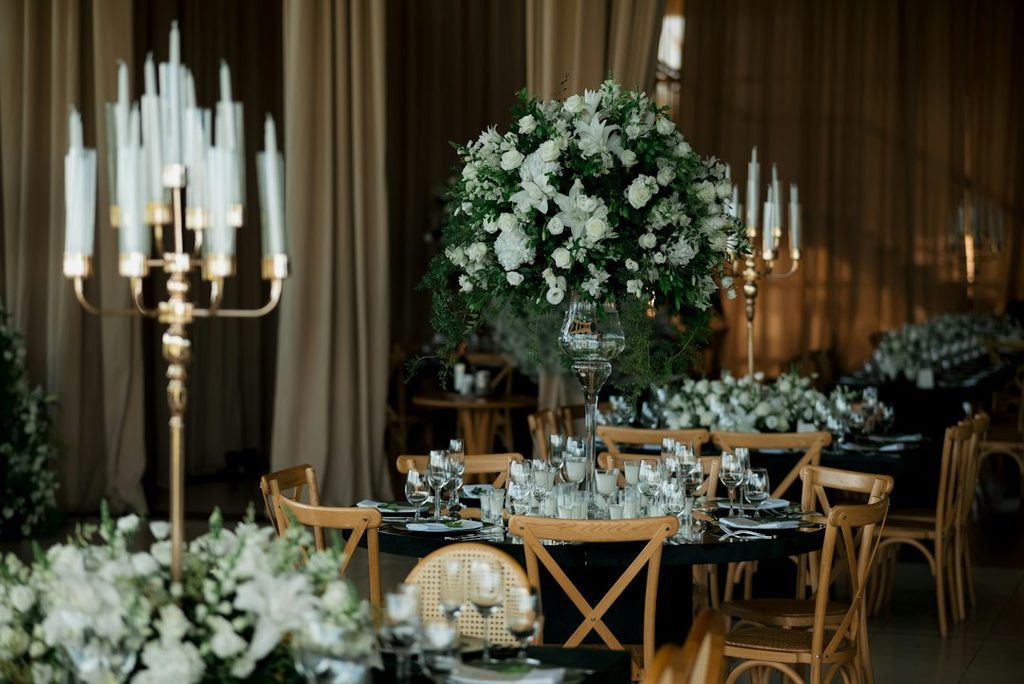
Florals and decor often represent 8 to 10 percent of the budget. To keep costs in check, focus on high-impact areas. Instead of scattering small arrangements across every table, consider one or two massive architectural focal points. You can also repurpose items. A floral arch used at your ceremony can often be moved to serve as a backdrop for your head table at the reception.
Entertainment Dynamics: DJs Versus Live Bands
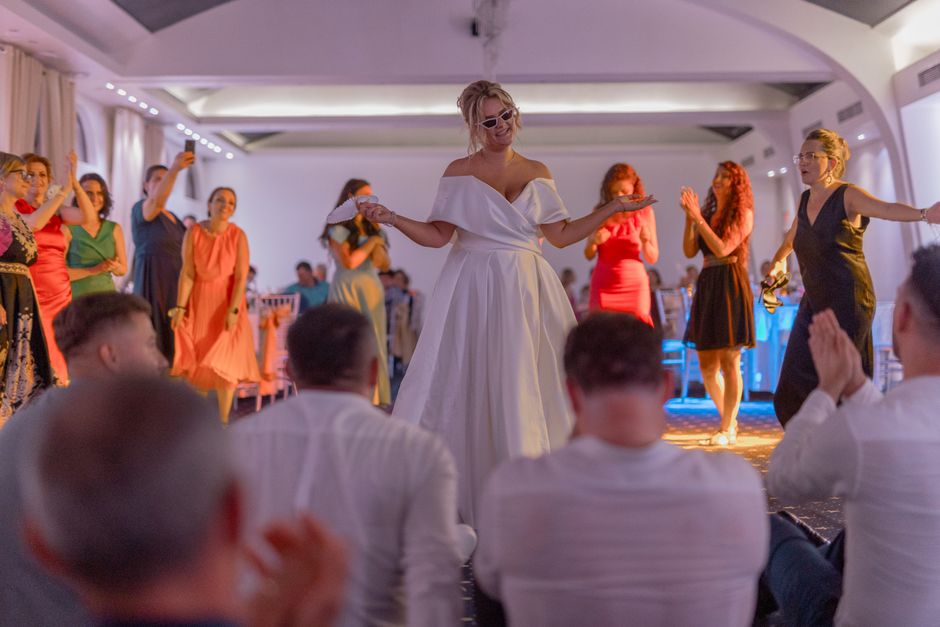
Music sets the tone for the entire evening. A professional DJ typically costs 6 to 8 percent of the budget, while a multi-piece live band can easily exceed 10 percent. When choosing between them, consider your venue’s power and space requirements. Bands often require more complex sound equipment and larger staging areas, which can lead to additional rental fees.
Navigating Common Budget Traps and Cost-Saving Realities
The Hidden Financial Traps of Wedding DIY
DIY projects are tempting, but they rarely save money once you factor in the cost of supplies, shipping, and the risk of failure. If you want to DIY, stick to low-risk, non-time-sensitive tasks like designing digital invitations or creating simple table signage. Leave high-stakes tasks—like food preparation, professional-grade floral arrangements, and sound engineering—to the experts.
Vendor Payment Timelines and Contract Fine Print
Create a master spreadsheet that tracks every vendor. Include columns for the estimated cost, the negotiated price, and the actual amount paid. Build your payment schedule around the vendors’ deposit deadlines. Finally, always keep a “tipping fund” in your budget. Pre-calculating the gratuities for your vendors and placing the cash in labeled envelopes before the wedding day will save you from scrambling during the reception.
Realistic Budget Allocations Across Different Wedding Sizes
For a smaller wedding of 50 guests, you have more flexibility to splurge on bespoke dining experiences or premium photography. As your guest count grows to 150 or more, your budget must shift toward streamlined logistics and higher-volume catering.
• Protect the Core: Never sacrifice your venue or catering budget for minor decor upgrades.
• Defend the Contingency: Keep your 10 to 15 percent buffer sacred.
• Prioritize the Keepsakes: If you have to cut, cut favors and printed programs before you cut your photography coverage or your wedding bands.
Smart Financial Management for Your Wedding and Beyond
Your wedding is the start of your life together, not the end of your financial freedom. By establishing a hard spending ceiling, defending your contingency buffer, and focusing your investment on items that provide lasting value, you can plan a beautiful day without the weight of post-wedding debt. Stay disciplined, keep your priorities clear, and remember that the most important part of the day is the commitment you are making to one another.