Most of us have started a Bible reading plan at some point and quietly dropped it around the middle of March. Usually the plan was too ambitious to begin with, then work got busy, and after a while the habit turned into guilt about the habit. This plan is a lot smaller than that. It’s three chapters of Matthew spread over seven days, and it takes about fifteen minutes a morning.
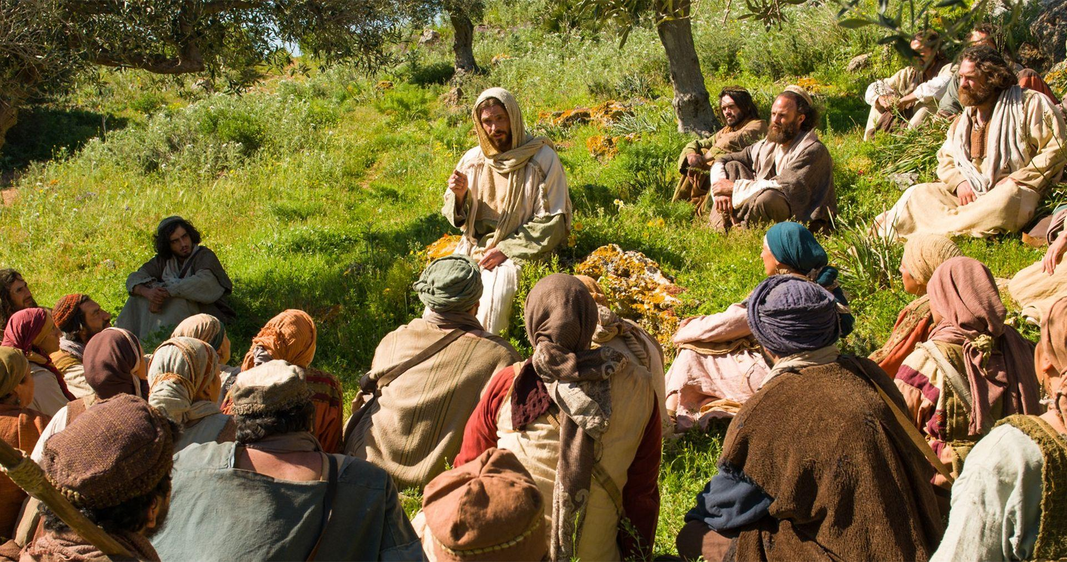
If you type jesus sermon on the mount into a search bar, you’ll get thousands of commentaries, podcasts, and study series, and plenty of them are really good. But none of them can do what reading the actual words yourself does. Matthew 5 through 7 is the longest stretch of Jesus’ teaching in any of the Gospels, and it reads more like a description of the life He’s inviting people into than a lecture. New believers are often surprised by how clear it is. People who’ve been leading in the church for decades tend to find it uncomfortably sharp, and honestly that’s a good reaction too.
A Few Things Before You Start
Pick a time of day and protect it. A lot of people do best first thing in the morning, before their phone starts buzzing. Stick with one translation for the whole week, because switching versions halfway through can make familiar verses sound strangely off. And keep a notebook nearby. A cheap spiral one from the grocery store works fine.
Each day, read the passage twice. The first time, just read it straight through, the way you’d read a letter from a friend. On the second pass, slow down and underline anything that makes you uneasy, since that’s often exactly where the Holy Spirit is working on you. Then write down one sentence answering a simple question: what would it look like to obey this before tonight?
The Seven-Day Plan
Day 1: Matthew 5:1-16. Jesus opens by blessing the poor in spirit, people who mourn, and the meek, which isn’t exactly the list our culture would come up with. It’s also worth noticing that He calls His followers salt and light before He’s given them a single command. He tells them who they are first, and the instructions come after.
Day 2: Matthew 5:17-37. Here Jesus takes commandments everyone already knew and pushes them inward. Murder, He says, starts with contempt, and adultery starts with a look that lingers too long. Go slowly through this one and let Him show you where you’ve kept the letter of the law but missed what it was actually about. If somebody’s face comes to mind when you hit verse 24, that’s probably your assignment for the day.
Day 3: Matthew 5:38-48. For most people this is the hardest reading of the week. Turn the other cheek, go the extra mile, love your enemies and pray for the people persecuting you. Jesus roots all of it in what the Father is like, since He sends rain on the just and the unjust alike. Today, pray by name for one person who has hurt you, and try to actually mean it.
Day 4: Matthew 6:1-18. Giving, prayer, and fasting all get the same warning here: do them for God, not for whoever happens to be watching. Instead of reciting the Lord’s Prayer from memory today, read it a phrase at a time. When you get to “Your will be done,” stop for a minute and ask yourself where your own will is still calling the shots.
Day 5: Matthew 6:19-34. Jesus talks about money and worry almost in the same breath, which says a lot about how tangled up those two are. Your heart follows your treasure, wherever that is. Try pulling up your bank statement next to this passage and asking what it says about your priorities. Then go back through verses 25 to 34, pick one worry, and say it out loud as you hand it over to God.
Day 6: Matthew 7:1-12. Get the plank out of your own eye before you go after the speck in someone else’s. Ask, seek, knock. Treat people the way you’d want them to treat you. These verses are short and really practical, almost a to-do list for how to deal with people at home and at work. Pick one and practice it on purpose before the day’s over.
Day 7: Matthew 7:13-29. The sermon wraps up with a choice: two gates, two trees, two houses. Both houses get hit by the same storm, and the only thing that separates them is whether the builder actually did what Jesus said. Listening was never really the point for Him. He’s looking for people who build their lives on what He taught.
Reading It With Someone Else
This plan works really well with a mentor, a small group, or a friend who’s new to faith. Each of you reads on your own in the morning, and then sometime that evening you text each other the sentence you wrote down. It takes maybe a minute, and you’ll be surprised how much it keeps you both honest. Discipleship has pretty much always happened in pairs and small groups anyway. Jesus spent His life on twelve men and leaned on three of them more than the rest.
If you’re leading other people through it, try not to turn the week into a teaching series. Ask good questions instead. Something as simple as “What bothered you today?” tends to open up more than a polished outline ever does. Some of the best conversations start when the mentor admits which verse got to them, too.
Seven days won’t make anybody an expert on these chapters. Pastors who’ve preached through them for forty years still run into parts that cut in new places. The idea is just to let Jesus’ words get under your skin a little before life gets busy and buries them again. Then on day eight, go back to whichever verse stung the most and read it one more time. And do what it says today, before you have a chance to talk yourself out of it.