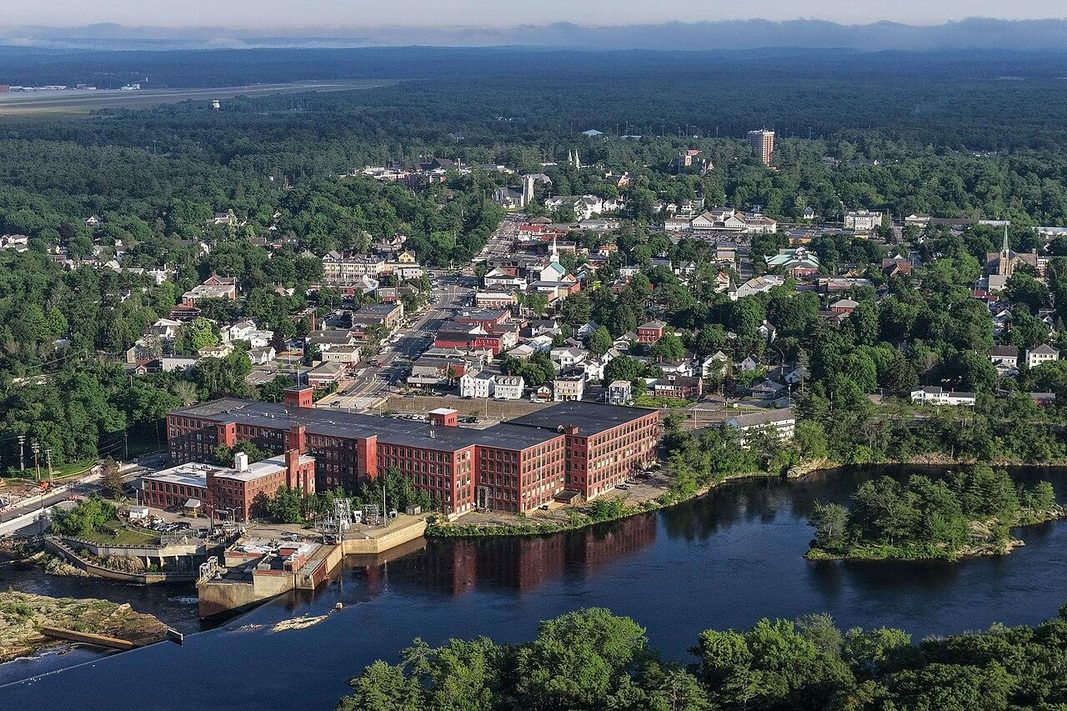
When visiting a Brunswick neighborhood, look for well-lit streets, safe sidewalks and crosswalks, signs of community involvement, and well-maintained properties. These visible signs show that residents and local agencies are paying attention to safety.
Many visitors judge an area by its reputation alone, but what you can see on the street often tells you more about everyday risks. Even the safest neighborhoods can carry hidden hazards, so knowing what to look for helps you visit with confidence.
What Are the Most Common Safety Signs in a Brunswick Neighborhood?
Good Street Lighting
Working streetlights along roads, sidewalks, and parking areas make it easier for drivers to see pedestrians. Watch for long gaps between lights, burned-out lamps, or trees blocking the light.
Safe Sidewalks and Crosswalks
Even sidewalks, marked crosswalks, and curb ramps make walking safer. Cracked pavement or roads without crossings can lead to trips, falls, and pedestrian crashes.
Signs of Community Involvement
Neighborhood watch signs, community notice boards, and visible patrols often point to engaged residents. These signs suggest that people in the area notice and report problems.
Well-Maintained Properties
Trimmed yards, working porch lights, and clean common areas suggest that owners care about upkeep. Loose railings, broken steps, or dark entryways can create injury hazards.
Why Do These Safety Signs Matter in Brunswick?
Lighting is an active local concern.
Flooding is another reason to look closely at streets and walkways. The City of Brunswick notes that many roads, including primary evacuation routes, are expected to flood during a Category 1 hurricane.
Local crime trends also give helpful context. According to the Brunswick Police Department, reported crime in the city dropped 13% in 2025, following decreases in 2023 and 2024.
What Local Safety Resources Can Help Visitors?
Brunswick offers several public resources that help visitors judge an area:
- Neighborhood crime maps: The Brunswick Police Department supports Neighborhood Planning Assemblies and shares neighborhood-level crime maps, statistics, and prevention information.
- Crime statistics: The department publishes monthly crime figures on the city’s website.
- Flood zone maps: Glynn County provides maps that help residents and visitors identify flood-prone areas.
Real-Life Example: Reading the Signs Before a Visit
In this hypothetical example, a visitor plans an evening walk in a Brunswick neighborhood. One street has working lights, marked crosswalks, and a neighborhood watch sign, while the next has broken pavement and no streetlights.
By choosing the well-lit route and avoiding the damaged sidewalk, the visitor lowers the risk of a fall or pedestrian accident.
PRO TIP: Walk the area in daylight first and note the safest route, including well-lit streets and marked crossings, so you can follow it again at night.
What Should You Do Before Visiting a Brunswick Neighborhood?
- Review the Brunswick Police Department’s neighborhood crime maps.
- Check Glynn County flood maps, especially during hurricane season.
- Visit in daylight to spot uneven pavement and missing crosswalks.
- Return at dusk to see which streets stay well lit.
- Plan a walking route that uses marked crossings and lighted sidewalks.
Frequently Asked Questions
1] Is Old Town Brunswick safe to visit?
The old town is a historic district with shaded streets and older homes. As in any area, use well-lit routes and stay alert, especially at night.
2] What should I avoid after heavy rain?
Avoid walking or driving through standing water, since flooded streets can hide potholes, debris, and uneven pavement.
Key Summary
- When visiting a Brunswick neighborhood, look for good lighting, safe sidewalks and crosswalks, community involvement, and well-maintained properties.
- Long gaps between streetlights and burned-out lamps are warning signs of poorly lit areas.
- Many Brunswick roads, including evacuation routes, can flood during a Category 1 hurricane.
- Police crime maps and county flood maps help you check an area before visiting.
- Visiting in daylight and again at dusk helps you plan a safer route.