When the damage to the vehicles does not match the other driver’s story, that driver’s credibility can suffer, and fault may shift. Insurance adjusters, crash reconstruction experts, and courts often give physical evidence more weight than statements made after a collision.
Tulsa is Oklahoma’s second-largest city, and interstates such as I-44 and I-244 carry heavy traffic through the area. Oklahoma is an at-fault state, so the driver found responsible for a crash and that driver’s insurer are typically responsible for the losses. As a result, disputes over how a collision happened can directly affect who pays.
When the other driver’s account conflicts with the evidence, many people consult a car accident lawyer in Tulsa to understand how fault may be decided.
How Can Vehicle Damage Contradict a Driver’s Account?
Point of Impact
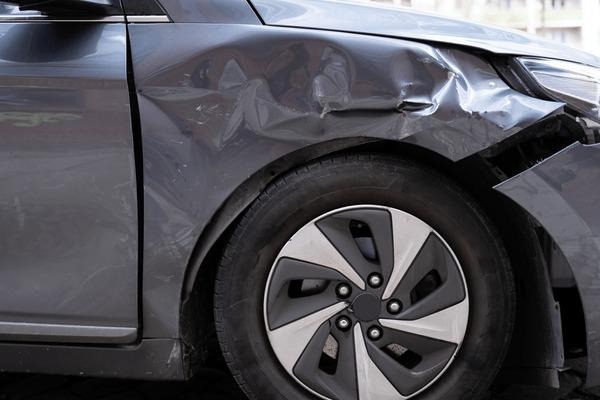
The location of damage shows which part of each vehicle made contact. For example, damage to the side of a car may contradict a claim that it was hit from behind.
Depth of Crush Damage
Deep crush damage often suggests higher speed or greater force. If a driver claims to have been moving slowly, heavy structural damage may raise questions.
Paint Transfer and Scrape Direction
Paint left on another vehicle and the direction of scrape marks can show the angle and movement of each car at impact.
Debris and Final Positions
The location of broken glass and fluids and where the vehicles came to rest can help reconstruct the sequence of events.
Why Does Physical Evidence Often Carry More Weight?
Memories can be unreliable after a crash, while physical damage does not change with time or opinion.
Many vehicles also contain an event data recorder, often called a “black box.” The National Highway Traffic Safety Administration reported that 99.6% of model year 2017 light vehicles sold nationwide had one. These devices may record speed, braking, and seat belt use in the seconds before a crash.
What Oklahoma Laws Apply When Fault Is Disputed?
Under 23 O.S. §13, Oklahoma follows a modified comparative negligence rule. An injured person can still recover damages if their share of fault is not greater than the other party’s, but the award is reduced by that percentage.
Under 12 O.S. §95(A)(3), most personal injury lawsuits must be filed within two years.
Example: When Damage Tells a Different Story
Consider a hypothetical crash at an intersection. The other driver claims you ran a red light and struck the front of their vehicle.
However, the damage is concentrated on your driver’s side door, while their front bumper is crushed. This pattern suggests their vehicle struck yours, which may support your account that they entered the intersection unsafely.
Pro Tip: Do not repair your vehicle until it has been photographed and inspected, since repairs can erase important evidence.
What Should You Do If the Other Driver’s Story Doesn’t Match the Damage?
Consider these steps:
- Photograph all vehicles from several angles, including close-ups.
- Take pictures of skid marks, debris, and traffic signals at the scene.
- Request a copy of the police crash report.
- Ask that both vehicles be preserved for inspection.
- Collect witness contact details.
Frequently Asked Questions
Can an insurance company decide fault based on vehicle damage?
Yes. Adjusters often review photos, repair estimates, and crash reports to assess fault, though their decision is not final if the case goes to court.
Who can analyze vehicle damage patterns?
Accident reconstruction experts study damage, scene evidence, and vehicle data to explain how a collision likely occurred.
Key Takeaways
- When vehicle damage contradicts the other driver’s account, fault may shift, and their credibility may suffer.
- Point of impact, crush depth, and paint transfer can reveal how a crash happened.
- Event data recorders may provide speed and braking information.
- Oklahoma allows recovery if your fault is not greater than the other party’s.
- Most Oklahoma personal injury claims must be filed within two years.
- Photographs and vehicle preservation help protect key evidence.