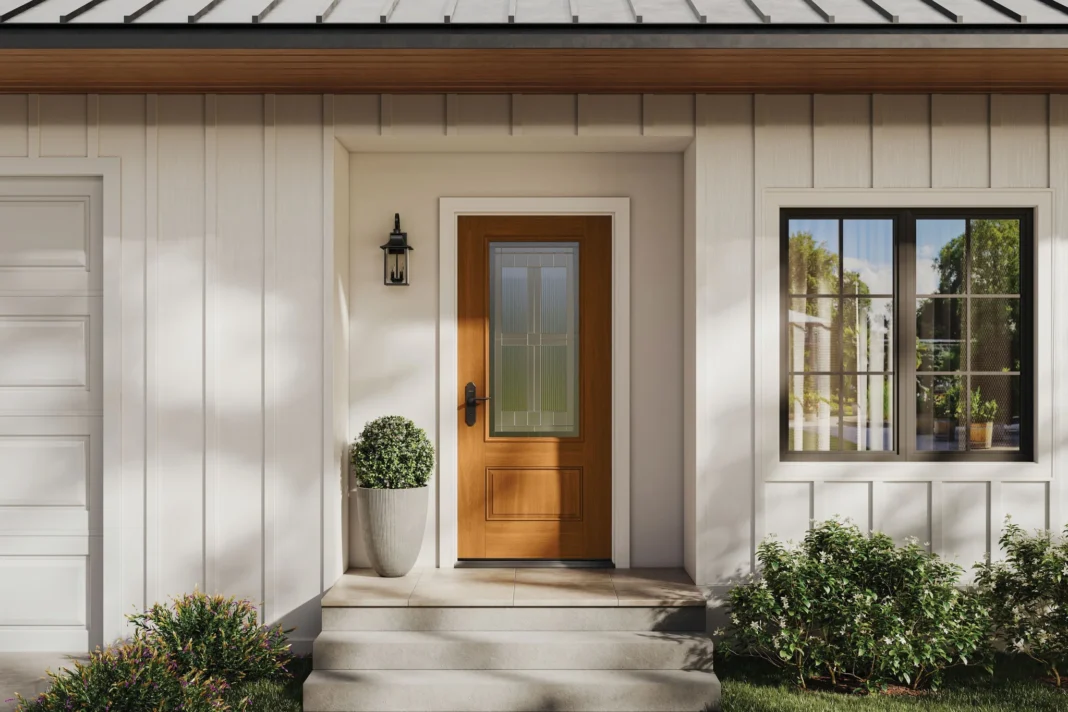
Choosing an entry door is an important decision for any homeowner. The front door contributes to a property’s appearance, security, energy efficiency, and overall comfort. While traditional wood and steel doors remain common options, fiberglass entry doors have become increasingly popular because of their durability, design flexibility, and relatively low maintenance requirements.
However, homeowners often wonder whether the additional investment in fiberglass is worthwhile. The answer depends on the door’s quality, construction, installation, and the homeowner’s priorities. Understanding the advantages and potential limitations can help determine whether fiberglass exterior doors are the right choice for a particular property.
What Makes Fiberglass Entry Doors Different?
Fiberglass entry doors are manufactured using reinforced composite materials designed to provide strength and dimensional stability. Many models feature an insulated foam core that helps reduce heat transfer and supports indoor comfort.
Unlike traditional wood fiberglass exterior doors vulnerable to moisture absorption, swelling, and rotting. It can also be manufactured with smooth or textured surfaces, allowing homeowners to choose designs that resemble natural wood or offer a modern appearance.
These features make fiberglass doors suitable for homeowners who want a combination of attractive design, dependable performance, and manageable maintenance.
Key Benefits of Investing in Fiberglass Entry Doors
The value of a fiberglass entry door comes from several practical advantages. Although the initial purchase price may be higher than some basic door options, its performance and maintenance characteristics can make it a worthwhile long-term investment.
Long-Term Durability
Durability is one of the main reasons homeowners consider fiberglass entry doors. Quality fiberglass construction is designed to withstand everyday use and changing weather conditions.
Wood doors can absorb moisture, which may cause swelling, cracking, or rotting over time. Fiberglass is generally more resistant to these moisture-related problems and is less likely to change shape under normal environmental conditions.
Additional durability benefits include:
- Resistance to moisture-related deterioration.
- Reduced risk of swelling and warping.
- Stable construction under normal temperature changes.
- Surfaces designed for regular residential use.
- Less vulnerability to certain environmental conditions than untreated wood.
Although fiberglass is durable, it is not completely damage-proof. Strong impacts, improper installation, or unsuitable maintenance products can still affect its condition.
Better Energy Efficiency
Energy efficiency is another important consideration when selecting an exterior door. An entry door that allows excessive heat transfer or air leakage can affect indoor comfort and increase heating or cooling demands.
Many fiberglass doors include insulated cores that help reduce heat movement through the door. When combined with properly fitted weatherstripping, insulated frames, and suitable glazing, they can contribute to a more energy-efficient entrance.
Homeowners should evaluate the following features:
- Insulated core construction.
- Effective weatherstripping.
- Properly sealed door frames.
- Energy-efficient glass options.
- Suitable U-factor and air leakage ratings.
The actual energy performance depends on the complete door assembly, including the frame, glass, seals, and installation quality. Choosing an insulated model that meets the property’s climate requirements can improve its overall value.
Lower Maintenance Requirements
Traditional wood entry doors may require regular painting, staining, sealing, and inspection to protect them from moisture and environmental exposure.
Fiberglass doors generally need less maintenance. Their surfaces can usually be cleaned with mild soap, water, and a soft cloth. Many models also retain their appearance without requiring frequent refinishing.
Routine maintenance may include:
- Cleaning the surface to remove dirt and dust.
- Checking the finish for scratches or damage.
- Inspecting hinges and locks.
- Examining weatherstripping for wear.
- Following manufacturer recommendations for painting or staining.
Lower maintenance requirements can save homeowners time and reduce the need for frequent refinishing expenses.
Attractive Designs and Finishes
A front door has a major influence on curb appeal. One advantage of fiberglass is its ability to accommodate different architectural styles.
Manufacturers offer fiberglass doors in numerous designs, including traditional raised panels, contemporary flat surfaces, Craftsman-inspired styles, and decorative glass configurations.
Popular finish options include:
- Oak-inspired wood grain.
- Mahogany-style textures.
- Walnut-inspired finishes.
- Smooth white and gray surfaces.
- Black and charcoal finishes.
- Custom paint colors.
These choices allow homeowners to match the door with exterior walls, windows, roofing, and other architectural features.
For people who appreciate the appearance of natural wood but prefer a material that requires less maintenance, wood-grain fiberglass finishes can be especially appealing.
Resistance to Moisture and Rot
Moisture can create significant problems for exterior doors, particularly in areas with frequent rainfall, humidity, or changing weather conditions.
Wood can absorb moisture, potentially leading to swelling, peeling finishes, and rot. Fiberglass does not behave like natural wood and is generally more resistant to these issues.
This makes fiberglass a practical option for entrances exposed to moisture. However, the surrounding frame, threshold, seals, and installation must also be properly maintained. Water can still cause problems if it enters through poorly sealed joints or damaged components.
Reliable Security Features
Security is another factor that influences the value of an entry door. Fiberglass doors can provide a strong residential entry solution when manufactured and installed as part of a properly designed door system.
The security of a complete entrance depends on several components, including:
- Quality deadbolt locks.
- Reinforced locking areas.
- Strong hinges and appropriate fasteners.
- A durable door frame.
- Secure installation.
- Suitable glass specifications.
A fiberglass door alone does not guarantee maximum security. Homeowners should examine the strength of the complete assembly and select hardware appropriate for their security requirements.
Potential to Enhance Property Appeal
An attractive front entrance can improve the overall appearance of a home. A well-designed door creates a focal point and can make the exterior look more polished.
Fiberglass doors offer enough design flexibility to complement both older and newer properties. Homeowners can select a classic wood-grain finish for a traditional house or a smooth, dark-colored door for a contemporary property.
A visually appealing entrance may also support buyer interest when a property is placed on the market. However, the actual effect on resale value depends on local market conditions, the quality of the installation, and the overall condition of the home.
Fiberglass Doors Compared with Wood and Steel
Before investing in a new entry door, homeowners should compare fiberglass with other common materials.
| Feature | Fiberglass | Wood | Steel |
| Moisture resistance | Generally high | Requires protection | Can be affected by corrosion if the finish is damaged |
| Maintenance | Usually low | Often higher | Usually moderate |
| Insulation | Often includes an insulated core | Depends on construction | Often includes an insulated core |
| Design options | Wide variety | Natural appearance and custom designs | Several styles and finishes |
| Resistance to warping | Generally good | Can warp with moisture changes | Generally stable |
| Initial cost | Often moderate to high | Varies widely | Often budget-friendly to moderate |
Fiberglass provides a balance of durability, insulation, and design flexibility. Wood may be preferable for homeowners who prioritize authentic natural materials and traditional craftsmanship. Steel can be a suitable option for people looking for a practical entry door at a lower initial price.
The best choice depends on the property’s requirements and the available budget.
Are Fiberglass Entry Doors Expensive?
Fiberglass entry doors can have a higher initial purchase price than some basic steel models. However, the total cost depends on several factors.
Important pricing considerations include:
Door design: Simple models may cost less than doors with elaborate panels, decorative glass, or custom details.
Size and configuration: Double doors, sidelights, transoms, and custom dimensions can increase the overall price.
Glass features: Specialized glazing, decorative patterns, and privacy options may add to the cost.
Finish: Premium wood-grain textures and customized colors can affect pricing.
Hardware: High-quality handles, locks, and hinges may increase the total investment.
Installation: Labor costs depend on the existing frame, opening condition, and complexity of the project.
Rather than comparing the purchase price alone, homeowners should evaluate the complete cost of ownership, including installation, maintenance, and expected service life.
How to Get the Best Value from Your Investment
Selecting the right product is essential for getting long-term value from fiberglass exterior doors. A low-cost model may not offer the same construction quality or performance as a well-made product.
Consider these practical steps before purchasing:
- Compare manufacturers: Research product specifications, warranties, and customer feedback.
- Check construction quality: Examine the fiberglass surface, core, frame, and overall assembly.
- Review energy ratings: Look for suitable insulation and air leakage performance.
- Select an appropriate finish: Choose a finish designed for the property’s exposure to sunlight and weather.
- Consider glass carefully: Balance natural light with privacy, safety, and energy performance.
- Choose quality hardware: Locks, hinges, and handles contribute to convenience and security.
- Hire experienced installers: Proper fitting and sealing are important for durability and energy efficiency.
- Understand the warranty: Check what is covered and whether there are specific maintenance requirements.
Taking time to compare these details can help prevent unnecessary expenses and ensure the selected door meets household needs.
Potential Drawbacks to Consider
Although fiberglass doors offer several advantages, they may not be the ideal solution for every homeowner.
The initial cost can be higher than that of basic steel doors. Some lower-quality products may also have limited design options or finishes that do not match the appearance of premium models.
Fiberglass surfaces can be damaged by strong impacts, and repairs may be more complicated than repainting a standard wood door. In addition, certain finishes require specific care to maintain their appearance.
Homeowners should also consider the local availability of replacement parts, warranty support, and professional installation services.
Understanding these limitations helps create realistic expectations and supports a more informed purchasing decision.
Conclusion
Fiberglass entry doors can be a worthwhile investment for homeowners who value durability, energy efficiency, attractive designs, and lower maintenance requirements. Their resistance to moisture-related problems and availability in different styles make them a practical alternative to traditional wood and steel doors.
However, the overall value depends on product quality, installation, climate conditions, and the homeowner’s budget. Comparing construction details, insulation ratings, finishes, hardware, and warranties is essential before making a purchase.
For homeowners seeking a balanced combination of appearance and everyday performance, well-made fiberglass doors can provide lasting value while enhancing the look and functionality of a home’s entrance.