Introduction
QMS, or Quality Management System, is a framework of policies and procedures that ensures the delivery of high-quality products and services consistently. Leadership can make informed decisions, maintain clear channels of inter-departmental communication, prepare proper audits for customer satisfaction, and continually improve operations.
A quality control plan identifies key features and processes that require regular monitoring. It establishes clear guidelines for inspecting products, measuring performance, identifying deviations and implementing relevant corrective actions. It defines the methods, procedures and clearly defined measures required to monitor and control critical product characteristics and manufacturing operations.
Read on to understand more about the nuances of a quality control plan vis-à-vis quality control and quality assurance.
Understanding Quality Control Plan

A manufacturing quality control plan is a structured document that serves as a roadmap for maintaining quality and consistency throughout the production process. A quality control plan ensures that:
- Everyone involved in the production process including engineers, technicians and quality inspectors, follows a consistent approach to quality assurance.
- Accountability is maintained, communication is improved and a systematic framework for identifying potential problems is created.
- A well-designed control plan is created to contribute to reliable manufacturing and reduce wastage.
- Employee productivity improves at all times and greater customer satisfaction is maintained.
The primary objective is to ensure that every product meets the specified quality standards, design requirements, tolerances and customer expectations at every stage of a product. Here are 5 components of a thorough quality control plan:
- What Needs to Be Monitored
A thorough quality control plan identifies critical product characteristics, dimensions, tolerances and performance parameters. The aim is to meet predefined quality standards and ensure legal compliance.
- Where Should the Inspections Take Place
A good quality control plan defines the specific stages of the manufacturing process at which inspections, measurements and quality checks must be conducted.
- Frequency of Monitoring
The frequency of monitoring operations and inspections is established by a quality control plan. The management monitors operations continuously, periodically or at designated intervals as per the plan.
- Inspection and Measurement Methods
A quality control plan specifies tools and equipment required to assess the product quality. Techniques and procedures are also assessed to assess the performance of a product accurately.
- Corrective Actions
A quality control plan establishes steps to be followed when a product or process fails to meet the prescribed requirements. The cause is identified, the customer feedback management system is used to identify defective products and corrective measures are implemented.
Importance of Manufacturing Control Plan in Quality Assurance and Quality Control
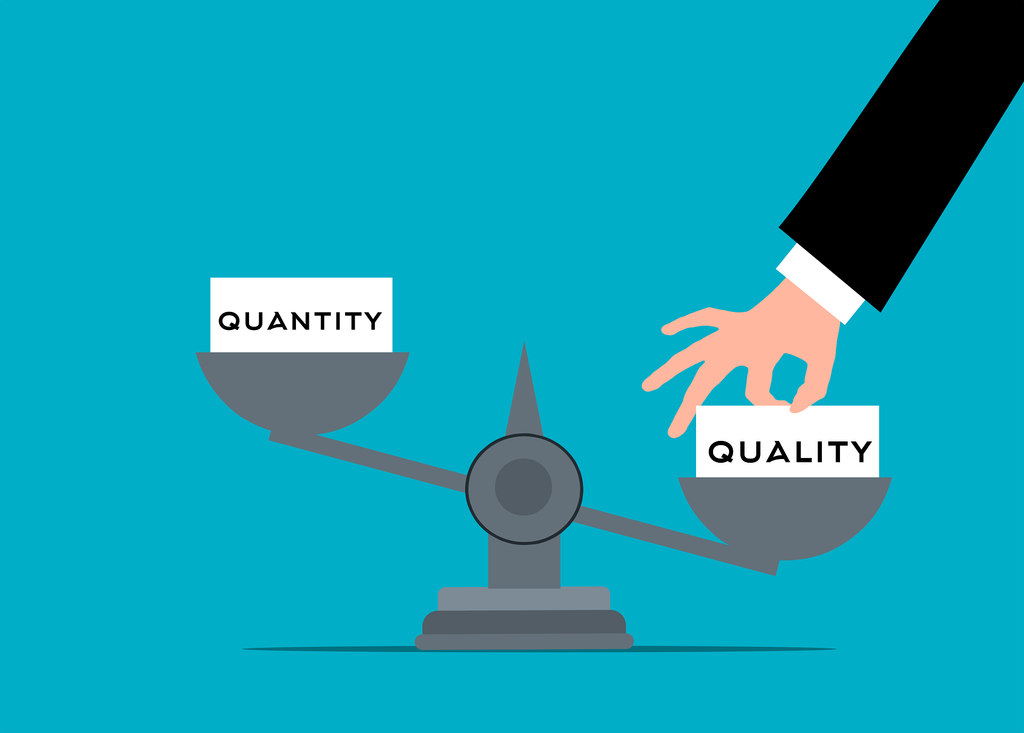
Here is how you can maintain complete quality control by understanding the concepts like quality control vs quality assurance. Here are 7 essential points to remember:
- Adherence to ISO 9001 helps maintain high quality of goods and services. The latest version of ISO 9001 is the 9001:2015 version including principles like customer satisfaction, and maintaining clear communication channels.
- From a quality assurance perspective, a quality control plan standardises procedures to prevent defects. However, a quality control plan uses predefined benchmarks throughout the manufacturing process.
- Quality assurance analysts help prevent defects before they occur. A control plan identifies potential risks beforehand and counters expected variations by standardising operating procedures. The aim is to maintain consistent manufacturing quality at all levels.
- With a quality control plan and a quality assurance plan, management is able to outline proper inspection methods and testing procedures required to evaluate product quality. Quality inspectors identify deviations from established manufacturing specifications.
- Maintaining consistency across manufacturing operations is a must for delivering reliable products. Uniform procedures are established and requirements are monitored by comparing them with pre-defined quality requirements and industry-specific needs.
- A quality control plan identifies critical product characteristics and manufacturing parameters. While quality assurance uses this information to establish preventive measures, quality control conducts regular inspections. This helps prevent the production of defective products.
- A quality control plan includes corrective actions to be taken in case a defective product enters the market. While quality control identifies and reports deviations, quality assurance investigates underlying causes and strengthens procedures. It also closes any ignored communication gaps.
- While quality control generates measurable data, quality assurance analyses these findings to improve manufacturing procedures. This feedback mechanism enables an organisation to refine processes and strengthen quality standards.
Conclusion
Quality assurance builds quality into the manufacturing process while quality control verifies that the desired quality standard has been achieved. The quality control plan provides management with a framework that provides both. By defining quality control measures in advance, organisations can minimise errors, reduce production variations, prevent defects and ensure operational continuity.
Frequently Asked Questions
Q. 1 What do you understand about a Compliance Management System (CMS)?
Answer 1: A compliance management system includes procedures that make adherence to international and domestic laws simpler and more convenient. The management is able to avoid legal battles by automating processes to make compliance easier and more convenient.
Q. 2 Which ISO standard supports compliance management systems?
Answer 2: ISO 37301 lists various requirements essential for a management system to achieve maximum compliance with national and international laws. The organisation can adhere to laws, maintain essential ethical standards and function with integrity.
Q 3. How is a quality management system different from a compliance management system?
Answer 3: The quality management system includes a framework of procedures that helps maintain consistent quality and continuous improvement. A compliance management system ensures adherence to legal, and regulatory requirements to avoid payment of fines and penalties.
Q. 4 How is a quality management system implemented?
Answer 4: Management at a workplace follows the Plan-Act-Check-Act process wherein operations are checked to test the relevance of the QMS and cover loopholes related to risks. Loopholes are later covered and mistakes are fixed. The quality management system is implemented in a manner that evolves as per the changing business needs without causing operational discontinuity.
Q. 5 What are the principles of a quality management system?
Answer 5: Constant training of the workforce, adopting a customer-centric approach, consistent upgrading of operations and clear communication for informed decision-making are the guiding principles of a quality management system