Australia has strict rules about car seats. These rules are not there to annoy you. They save lives on real roads, every single week. Buying a car seat feels big. It is big. Your baby will sit in it almost every single day for years. So picking the best baby car seat for your family is not just a shopping task. It is a safety decision, and it deserves real thought, not a rushed click at the checkout.
What Makes a Car Seat Safe in Australia?
A safe car seat in Australia must carry the AS/NZS 1754 label, full stop, since no seat can legally be sold here without it.
Seats made for the US or UK market often miss this standard, with different crash rules and different anchor points. Always check the sticker before you buy anything.
The Australian road toll sits above 1,200 deaths a year, per Bureau of Infrastructure and Transport Research Economics data. Kids strapped in properly have a far better chance in a crash.
At What Age Can a Child Legally Stop Using a Car Seat?
A child in Australia must use an approved car seat or booster until they turn 7. This is national law, not a suggestion from a parenting blog.
Babies under 6 months must ride rear facing, no way around it. From 6 months to 4 years, kids move to a forward facing harness. From 4 to 7, a booster with a proper seatbelt is the legal minimum.
Which Type of Car Seat Should You Buy First?
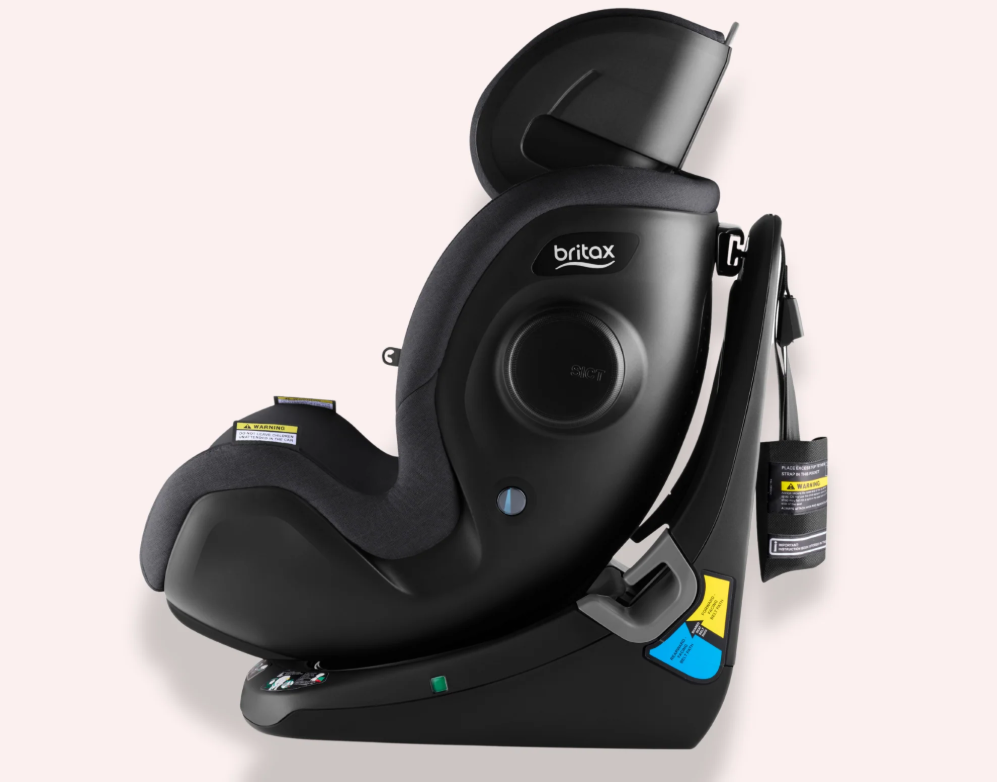
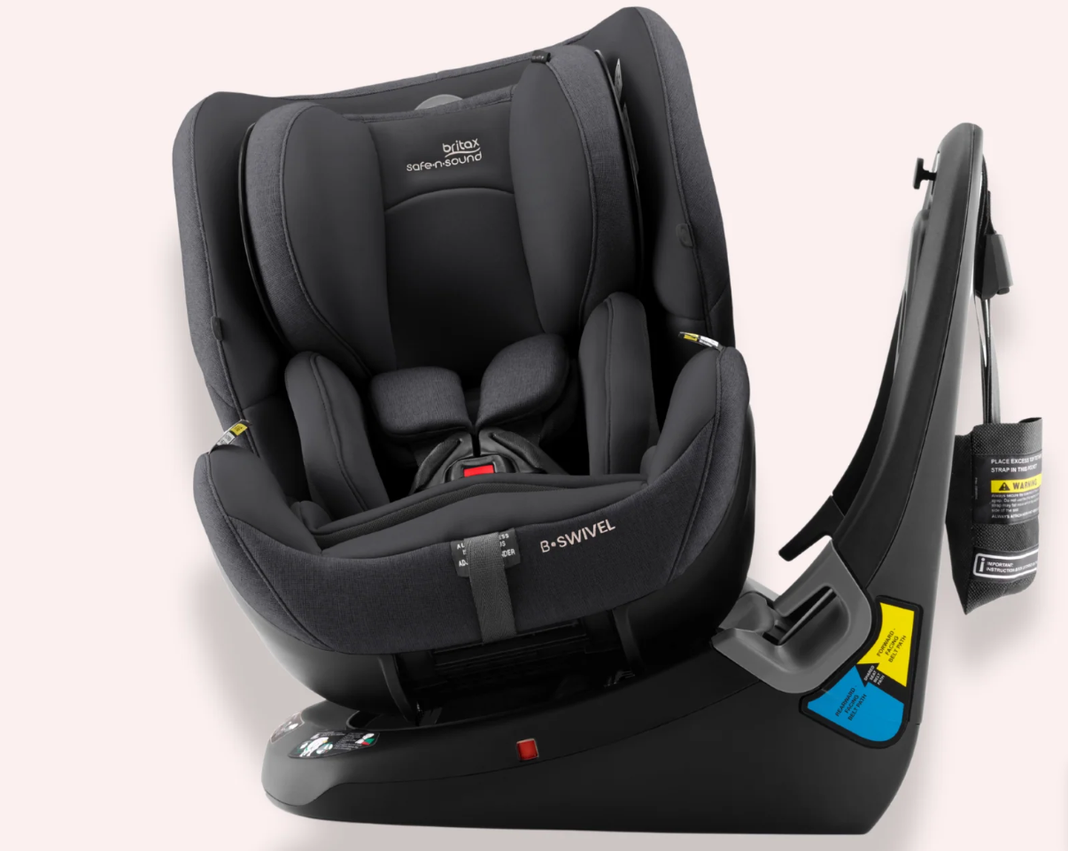
Your baby’s age and weight decide this, not your budget or your taste in colours. Here is the honest breakdown parents actually need.
- Infant capsule: birth to about 6 months, rear facing only, clips in and out of the car fast.
- Convertible seat: birth to 4 years, rear facing then forward facing in the same seat.
- All-in-one seat: birth to 8 years, one seat that grows through every single stage.
- Booster seat: 4 to 7 years, raises your child so the adult seatbelt sits correctly.
A capsule is great for newborns since you can lift it out without waking the baby, but it is short term. Most families outgrow it by 6 months.
How Much Should You Actually Spend?
Price does not equal safety. A $250 seat with the right AS/NZS 1754 label protects your baby just as well as an $800 seat with extra padding.
| Seat Type | Typical Price (AUD) | Age Range |
| Infant Capsule | $200 to $450 | 0 to 6 months |
| Convertible Seat | $300 to $700 | 0 to 4 years |
| Booster Seat | $100 to $300 | 4 to 7 years |
| All-in-One Seat | $400 to $900 | 0 to 8 years |
Extra money mostly buys convenience, like side impact pods, easier buckles, and washable covers. It does not change the core safety maths.
Do Isofix Seats Beat Seatbelt Installed Seats?
Isofix seats click into fixed metal points in your car, so there is almost no room for fitting mistakes. Seatbelt installed seats work just as well, but only if you get the tension right every time.
Kidsafe Australia data shows many seatbelt installed seats carry errors that cut their protection. If buckles worry you, Isofix removes most of that risk.
Where Should the Car Seat Sit in the Car?
The back seat is always safer than the front. Airbags are built for adult bodies, and they can hurt a small child badly in a crash.
The centre back seat is usually the safest spot, since it sits furthest from both doors, though not every car fits a seat there properly.
Never place a rear facing seat in front of an active passenger airbag. That combination is genuinely dangerous, and it is banned in several states.