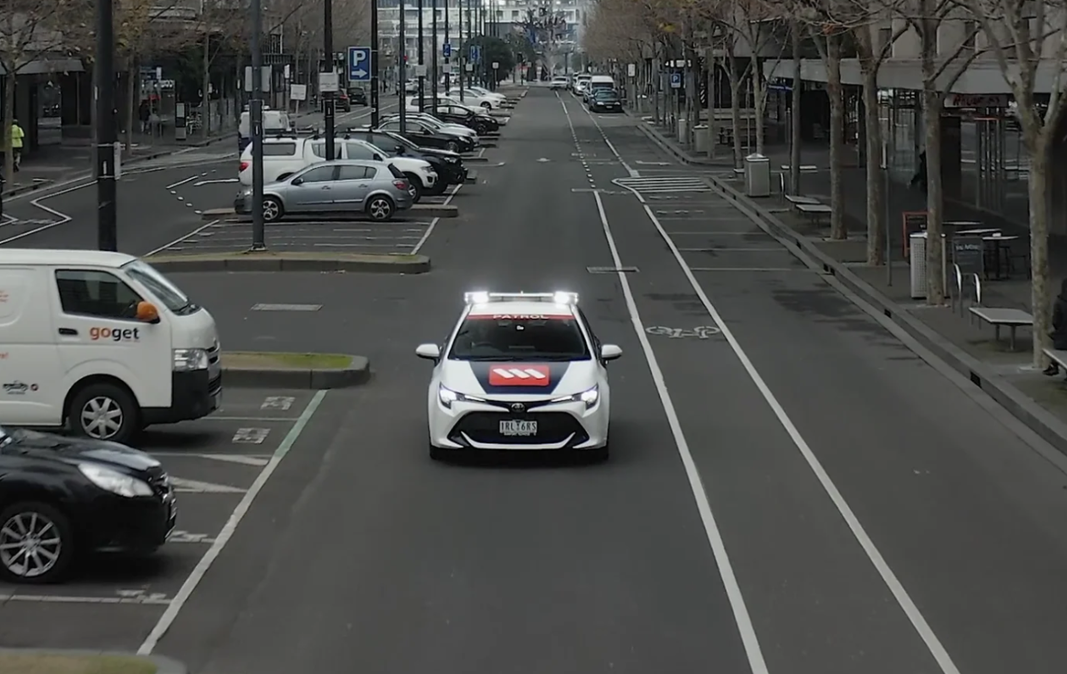
Every property owner thinks it will not happen to them, right up until it does. Insurance pays out after the damage. It never actually stops the damage from happening. Prevention is cheaper than recovery, every single time, no exceptions worth arguing about. This piece breaks down why trained security patrol services have become a standard line item for Australian property owners, with real figures on crime patterns and a straight look at what these teams actually cover on the ground.
The Scale of the Problem
Property crime remains one of the most reported offence categories across Australian states, with break and enters, vandalism, and theft from commercial sites making up a large share of insurance claims each year. Empty construction sites, retail strips after closing, and industrial estates on weekends are consistently the highest risk windows, simply because nobody is watching in person.
Trained patrol officers change that equation. They are licensed, background checked, and trained to identify signs of tampering that an untrained eye would walk straight past, things like a slightly shifted padlock or a window latch that looks closed but is not fully seated.
- Licensed guards must pass state based background and training checks before working.
- Patrol logs create a documented, timestamped record for insurance and legal purposes.
- Officers can identify tampering signs that cameras alone often miss.
- Rapid response cuts average incident duration compared to unmonitored sites.
- Coverage can scale up around high risk periods like holidays or construction milestones.
What Separates a Good Provider From a Weak One
Not all patrol services are equal, and pretending otherwise does property owners a disservice. A weak provider sends whoever is available, with minimal training and no real accountability. A strong provider tracks GPS routes, timestamps every checkpoint, and reviews incidents against a documented protocol, so nothing falls through the cracks over a long contract.
| Feature | Weak Provider | Strong Provider |
| Guard training | Minimal, unverified | Licensed, ongoing training |
| Route tracking | None or manual | GPS verified checkpoints |
| Reporting | Vague, delayed | Timestamped, detailed logs |
| Response time | Inconsistent | Benchmarked and measured |
The Real Return on Investment
A single break in at a commercial property can cost tens of thousands of dollars once you count stolen stock, damaged fixtures, and lost trading days while repairs happen. A patrol contract running a few hundred dollars a week looks small next to that number, and it looks even smaller once you factor in the insurance premium reductions many providers now qualify for.
Property protection is not about eliminating every possible risk, because that is not realistic anywhere. It is about making your site look and feel like a harder, riskier target than the property next door. Criminals, like most people, take the path of least resistance. A visible, well run patrol service is exactly the kind of resistance that sends them elsewhere.