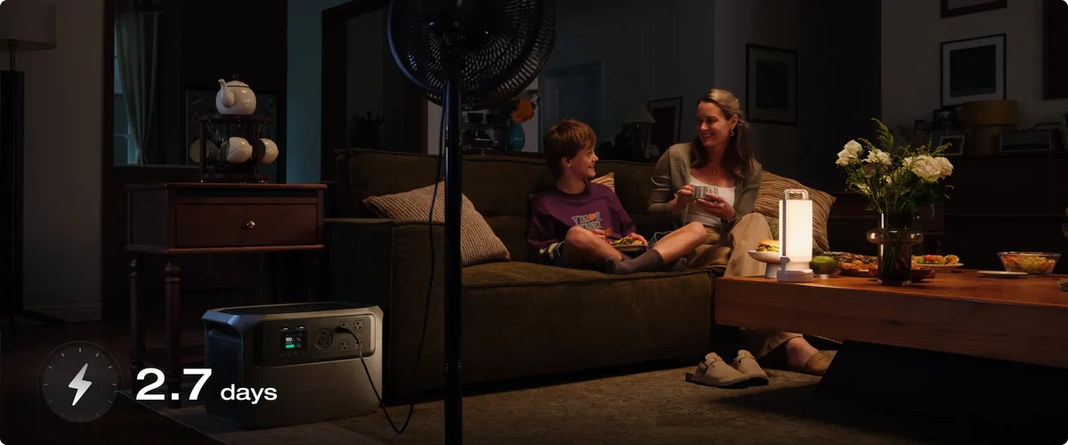
Add battery capacity when your system collects enough daytime energy but cannot store enough for the night. Add solar panels when the battery struggles to refill despite useful sunshine. If an appliance trips the output immediately, investigate inverter power instead: neither extra storage nor more panels automatically fixes that problem.
This distinction can prevent an expensive upgrade that leaves the original limitation unchanged. Before buying anything, look at when energy runs short and what the system was doing earlier that day.
Start with the Battery Level at Sunset and Sunrise
Record the battery level in the morning, near the end of useful sunlight, and before bed over several representative days. Note major appliances and whether the panels were shaded. These observations reveal more than a single peak-input reading.
A battery that reaches full early, remains full while good sunlight is available, and runs out before morning points toward insufficient storage for the overnight load. A battery that starts partly empty and never recovers during a clear day points toward inadequate collection or excessive daytime use.
Before making either purchase, eliminate a charging cap or temperature restriction that is holding input down. Extra panels cannot overcome a charging limit that has deliberately stopped collection, and an extra battery cannot replace energy that is never generated.
When More Battery Capacity Is the Better Upgrade
Additional storage is useful when there is surplus solar energy to capture or when you can charge before a known period without electricity. It lets you move more of that energy into the evening or carry a larger reserve into a trip.
Consider a simplified example in which a system can deliver 2kWh of usable energy during a clear day, but its current storage holds only 1kWh of usable energy. If overnight needs are 1.5kWh and much of the midday surplus goes unused, expanding the storage can address the 0.5kWh overnight gap.
The important evidence is the unused collection opportunity. Buying another battery is less convincing when the original one already ends each day at a low charge.
Check the exact expansion-battery compatibility and cable requirements. A generic battery with a similar voltage is not an interchangeable substitute for a proprietary expansion pack. For a portable solar generator, expansion also adds weight and another item that must fit your transport and storage arrangements.
When More Panels Solve the Problem
Increase solar collection when daily energy use exceeds what the existing array can replace. If your loads require 1.8kWh per day but the setup recovers only 1.0kWh on a representative day, a larger battery merely delays depletion. The ongoing shortage is 0.8kWh per day before any additional changes.
First check placement. Moving a panel out of recurring shade, correcting its angle, or cleaning a substantial deposit costs less than another panel and can recover output you are already equipped to collect.
If placement is good, compare additional panel wattage with the station’s solar input limits. A larger array needs voltage and current within those limits, including the higher open-circuit voltage associated with cold conditions. A second solar input is useful only if the model provides one and the proposed wiring suits it.
There must also be space to deploy the added panels. A wider array that spends half the day behind the vehicle may provide less benefit than the shopping-page wattage suggests.
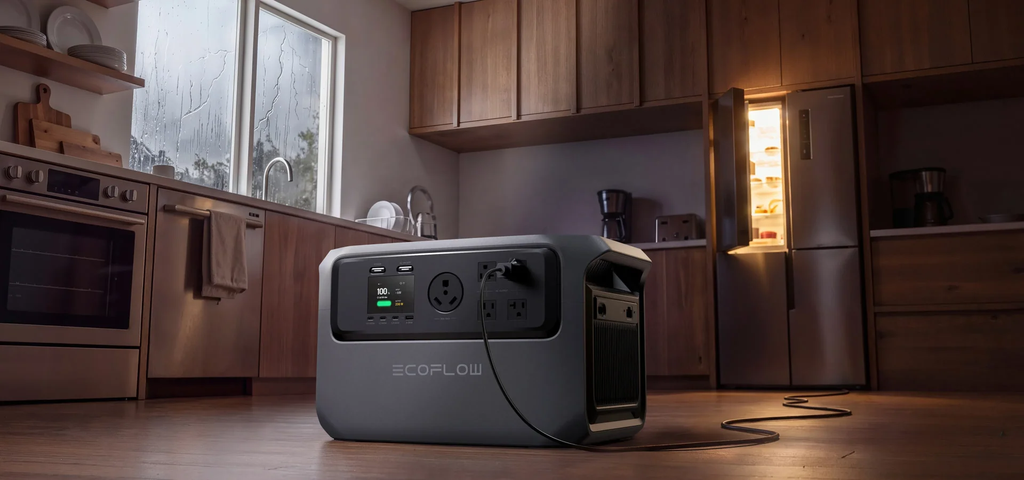
Recognize a Power Limit Before Buying an Energy Upgrade
A station shutting down when a pump or other demanding appliance starts is a different problem from running out of charge after several hours.
Battery capacity is measured in watt-hours. Inverter output is measured in watts. Adding an expansion battery commonly increases the first without changing the second. Unless the manufacturer specifies otherwise, plan around the original main unit’s output rating.
Try separating loads that overlap, and compare the appliance’s continuous and starting demands with the station’s ratings. If the inverter is the limitation, a higher-output system may be the appropriate upgrade. More solar input will not make an undersized AC output start a motor reliably.
Plan for the Weather You Intend to Use It In
Choose the upgrade around the season and routine that matter. A system that refills comfortably during summer may run a deficit during shorter winter days. Extra storage provides a buffer, while more panels improve collection when sunlight is available.
Neither eliminates a prolonged period with little useful sun. For essential use, retain another charging route or reduce the load before the reserve becomes critical. This is a reason to balance storage and replenishment, rather than repeatedly expanding one side alone.
FAQ
Can an Extra Battery Charge Independently?
Check the pack’s design. Many expansion batteries depend on the main station for charging and output, while some offer separate supported connections. Do not assume that a pack can serve as a second stand-alone power station.
Conclusion
If the battery fills early and empties overnight, investigate more storage. If it rarely refills, improve collection first. If an appliance cannot start, address output power. Identify the limitation from a few days of use before choosing an upgrade, and the purchase will have a clear job to do.