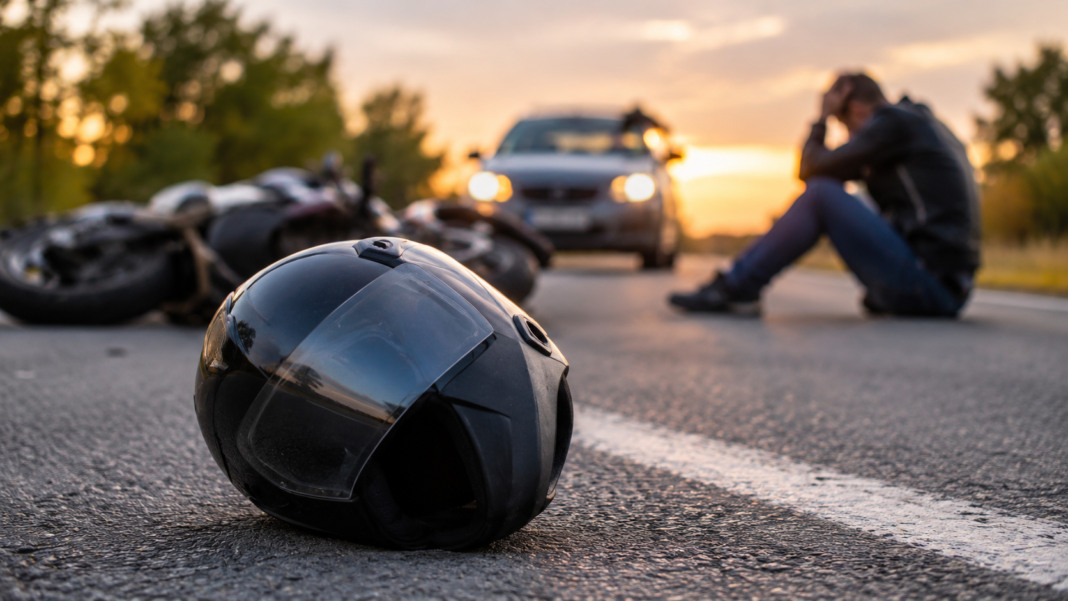
Motorcycle season in Central Kentucky brings riders out across Fayette County roads, from the stretch of Nicholasville Road through town to the open country lanes that make the area popular with bikers in the first place. That same visibility comes with real risk, since a rider has far less protection than someone inside a car when a collision happens.
When a crash does happen, the legal side of recovery often looks nothing like what people expect. Kentucky treats motorcycles differently from cars under several key laws, and those differences can catch an injured rider off guard at the worst possible time. Talking with a Lexington motorcycle accident attorney early on can help make sense of those rules before a decision gets made that is hard to walk back.
Why Motorcycle Claims Play Out Differently
Riders face both a higher risk of serious injury and a built-in bias that often assumes the person on the bike was at fault. National data backs up the first point. The National Highway Traffic Safety Administration reported that motorcyclists were almost 27 times more likely to die in a crash than passenger-car occupants in 2024, per mile traveled.
Insurance adjusters are aware of those numbers too, and that awareness shapes how they handle a motorcycle file. An early settlement offer sometimes arrives within days of a crash, often before the full cost of treatment is even known. That timing is rarely a coincidence.
Kentucky’s No-Fault Rule Skips Motorcycles
Most Kentucky drivers are familiar with Personal Injury Protection, or PIP, the no-fault coverage that pays initial medical costs after a car accident regardless of who caused it. Motorcycles are the exception. Kentucky’s Department of Insurance confirms that basic PIP applies to nearly every motor vehicle except motorcycles.
That gap matters in practice. A car accident victim typically has up to $10,000 in no-fault coverage available right away for medical bills and lost wages. A motorcycle rider generally does not have that same cushion unless optional coverage was purchased specifically for the bike, which leaves many injured riders needing to pursue the at-fault driver’s insurance directly from the start.
A Filing Deadline That Starts the Clock Immediately
Kentucky’s Motor Vehicle Reparations Act generally gives an injured person two years to file a claim, counting either from the date of the injury or from the last reparation payment received, whichever comes later. Missing that window can bar the claim entirely, regardless of how strong the underlying case might have been.
Because motorcycle coverage works differently from car coverage, the exact deadline in a given case can shift depending on what coverage, if any, applied to the bike. Confirming the specific date early removes one more thing to worry about while recovering from an injury.
Comparative Fault Still Leaves Room to Recover
One Kentucky rule actually works in an injured rider’s favor. The state follows a pure comparative fault standard, meaning a person found partly responsible for a crash can still recover damages, just reduced by their own percentage of fault. A rider found 20 percent at fault, for example, can still pursue the remaining 80 percent of their losses.
This matters because insurers sometimes lean on fault disputes to avoid paying a fair amount. Clear evidence from the scene, including photos, witness contacts, and the official crash report, tends to carry significant weight when fault becomes a point of disagreement.
Helmet Use Rarely Decides Who Caused the Crash
Kentucky law requires helmets only for riders under 21, operators with an instruction permit, and anyone who has held a motorcycle license for less than a year. Riders outside those categories are not legally required to wear one.
Not wearing a helmet does not establish fault for causing a collision in the first place. That said, in a claim involving head or facial injuries, an insurer may still try to argue that the lack of a helmet made those specific injuries worse, which typically requires medical evidence to support or challenge.
What a Claim Can Cover
The categories of compensation available after a motorcycle crash tend to reflect both the financial hit and the physical toll of the injuries. Medical costs, from the emergency room through ongoing physical therapy, are usually the starting point, along with lost income for time away from work and any longer-term reduction in earning ability.
Pain and suffering, property damage to the bike and gear, and wrongful death losses in the most serious cases round out what a claim may address. The exact value in any individual case depends heavily on the injuries, the available insurance, and how clearly fault can be established.
Starting the Process on Solid Ground
Few people plan for a motorcycle crash, and even fewer expect to learn that their state’s insurance rules work differently for bikes than for cars. Understanding those differences early, before an adjuster’s first call comes in, puts an injured rider in a much stronger position to protect what they are actually owed.
For anyone recovering from a Lexington motorcycle accident, getting clear answers about filing deadlines, available coverage, and how fault gets evaluated can make the months ahead far more manageable.